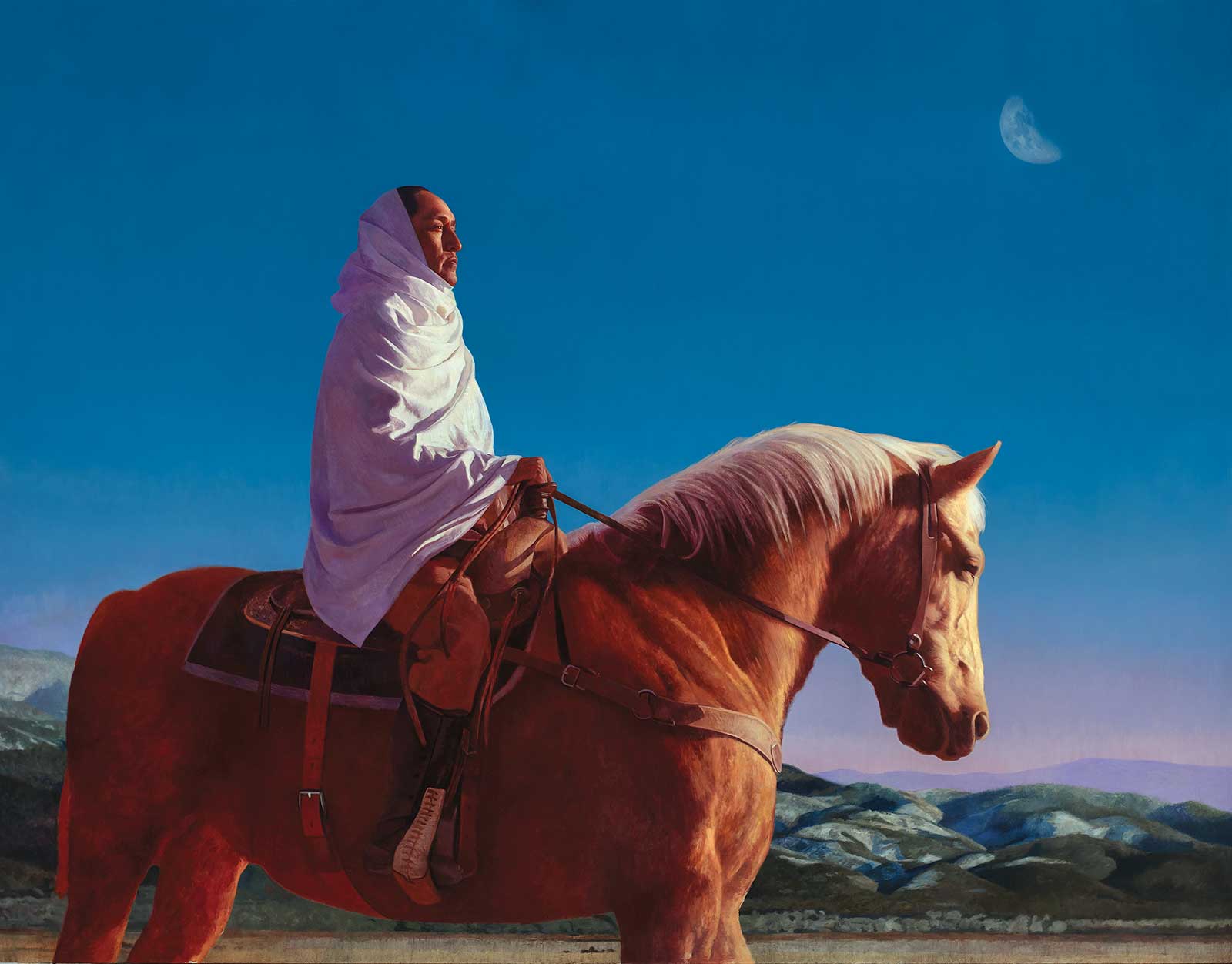
David Kassan, Red Willow Moon, Taos, oil on panel, 31 x 40" (78 x 101 cm)
Shana Levenson: Scottsdale Artists’ School has always been one of my favorite places to teach. Beyond its ideal location near galleries and restaurants, the school fosters a truly supportive community where artists of all levels can learn from one another. The classrooms are thoughtfully designed with excellent lighting, equipment and an atmosphere that encourages both teaching and learning. Support is always immediate whenever it’s needed. I especially love the Thursday night drinks and food for students and instructors, which create a natural, social transition into the weekly Scottsdale ArtWalks in Old Town.
David Kassan: The students. Scottsdale attracts artists who are serious, curious and ready to work. I love the intensity of focus there—people show up willing to wrestle with seeing, drawing and problem-solving, not just chasing surface polish. What we teach isn’t easy, and we’re committed to giving students a clear framework and working method they can take home and integrate into their own practice. Scottsdale also has an incredible community, great facilities and models, and an inspiring atmosphere beyond the school itself, with excellent galleries within walking distance.
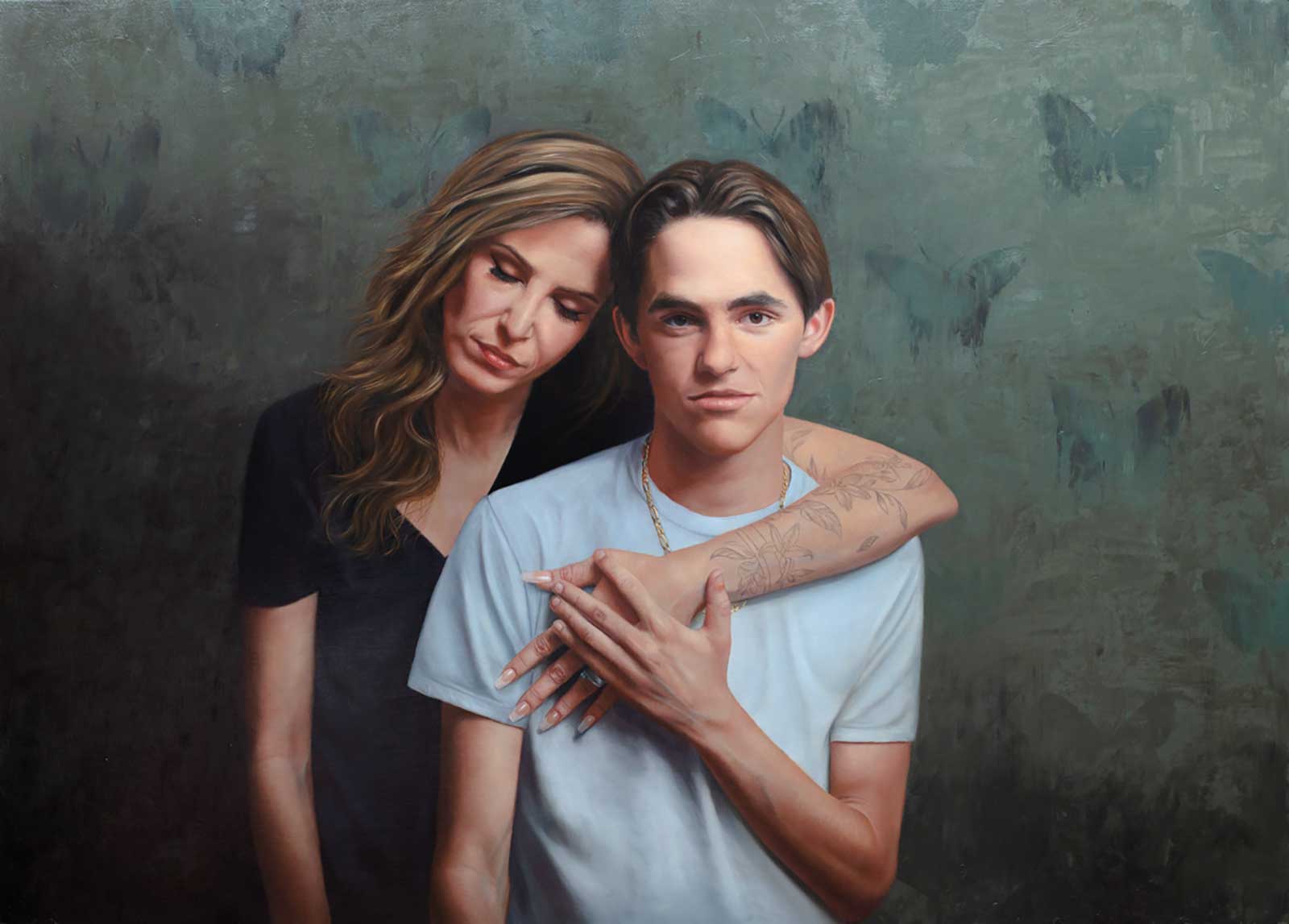
Shana Levenson, Stay a Moment, oil on aluminum panel, 30 x 42" (76 x 106 cm)
SL: My education in fashion plays a significant role in my painting practice. I remember a class at the University of Texas where we debated whether fashion and clothing define a person, and I wholeheartedly believe that they do. I use fashion in my daily life to express my mood, or even to shift it, and that same language carries into my work. Incorporating clothing and jewelry into my portraits and figurative paintings is essential to how I tell a story. Whether it’s a family heirloom passed down through generations or a sweater featuring a favorite character, each element holds meaning and helps reveal something deeper about the subject.
SAS: David, how has drawing influenced your approach to painting portraits?
DK: Drawing is everything for me. It’s how I slow down and truly see. Drawing teaches restraint, proportion and honesty—there’s nowhere to hide. Ingres said that “drawing is the probity of art,” and those are incredibly wise words. When I paint, I’m building on a drawing mindset: observing relationships, measuring and staying responsive rather than forcing an idea onto the subject.
SAS: What is your best advice for artists taking your workshops if they’re approaching realism studies for the first time?
SL: The best advice I can offer artists approaching realism studies for the first time is to come into the workshop with an open mind and resist the urge to compare yourself to others. We’re all on different paths in our artistic journeys, and some simply take longer than others. A workshop is a community experience; we’re in it together. What you create in class is a study, and every color choice and brushstroke is a lesson you carry back into your own studio practice.
DK: Let go of the idea of perfection. Realism isn’t about copying, it’s about understanding relationships. Focus first on big shapes, value and proportion. Everyone starts somewhere, and instructors are there to help beginners develop methods that work and can be adapted to an individual’s temperament. The word amateur means “to have a love for,” and I still like to think of myself as an amateur in that sense.
SAS: Can you share a memorable obstacle that you had to overcome at the beginning of your careers?
DK: Learning to trust my own voice instead of constantly measuring myself against others. That shift, from comparison to commitment, was huge.
SL: One of my biggest obstacles was navigating the path to becoming a full-time artist after getting divorced, while also being a stay-at-home mother and completing my MFA. I began by teaching art classes to young children, then teenagers, and eventually built the confidence and experience to teach adults. It wasn’t a quick or linear journey, and it’s something I still feel insecure about at times, since my path didn’t follow a “traditional” route into the art world. I didn’t start selling work right away, so teaching in my studio became a way to support myself while also giving me the time and space to develop a cohesive body of work.
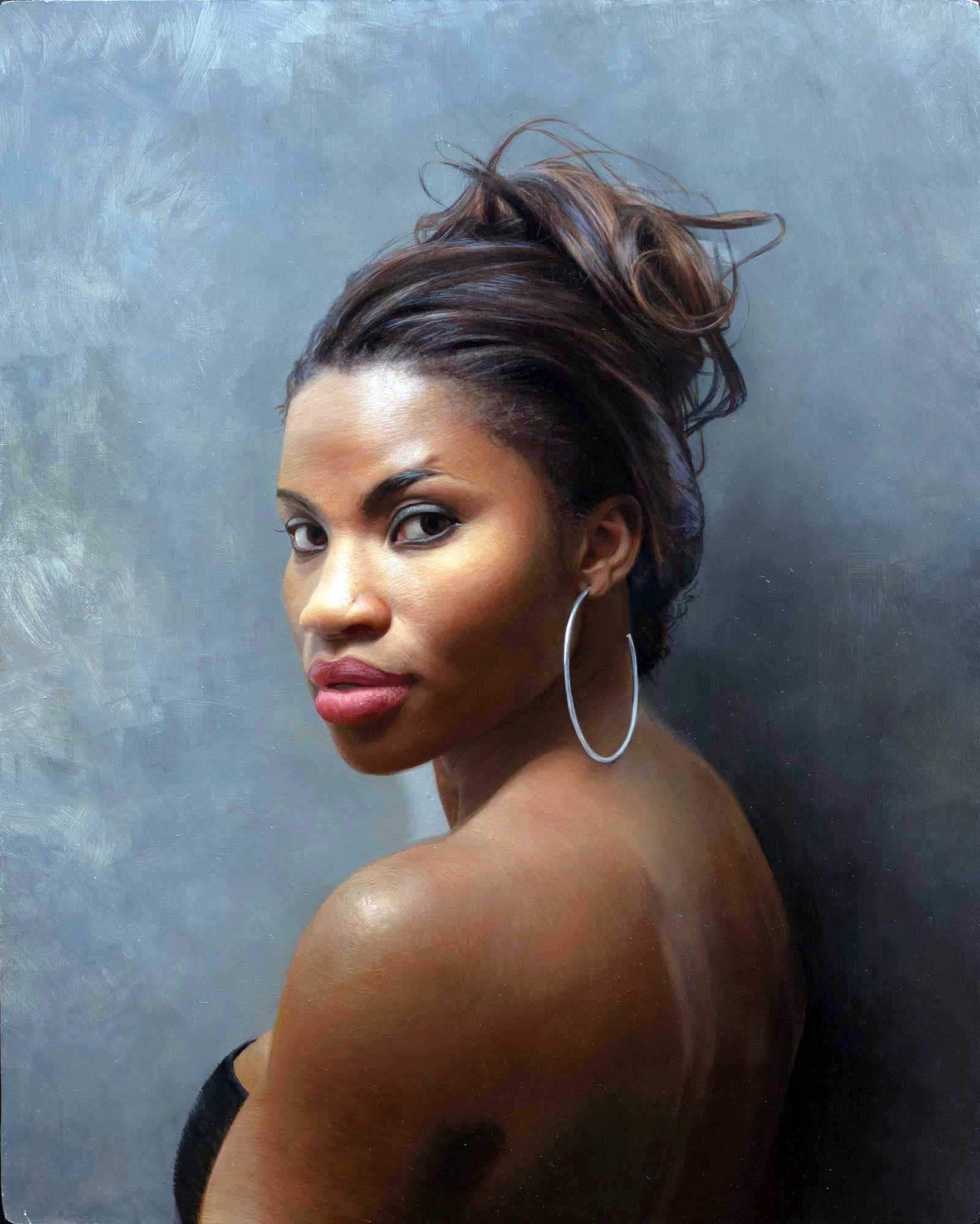
David Kassan, Grace, oil on panel, 25 x 23" (63 x 58 cm)
SL: I’ll be teaching another hand painting workshop this year. For the past couple of years, students have painted my hands because they offer strong anatomical reference and clarity for learning. This year, though, I’m excited to shift the focus to my daughter’s hands. They have the kind of fair, soft skin and elegant features you might see in an Old Master painting, making them a beautiful and inspiring subject for study.
DK: A strong emphasis on drawing as the foundation: value structure, edge control and decision making in portrait painting. We’ll work toward getting the process to a more intuitive place, so the focus can shift to the subtlety of the model’s character rather than simply painting a likeness or caricature. —
Visit scottsdaleartschool.org for more information on the school and its upcoming workshops.