Painting the light is very important. It defines form, evokes emotion and reveals the essence of what I paint. I have always been deeply drawn to light and color; they are the top priority and foundation of my work. Through their interaction, I express my inner state and emotional atmosphere on the canvas, however, structure is equally important. Without a solid structure, even the most harmonious colors can lose their coherence.
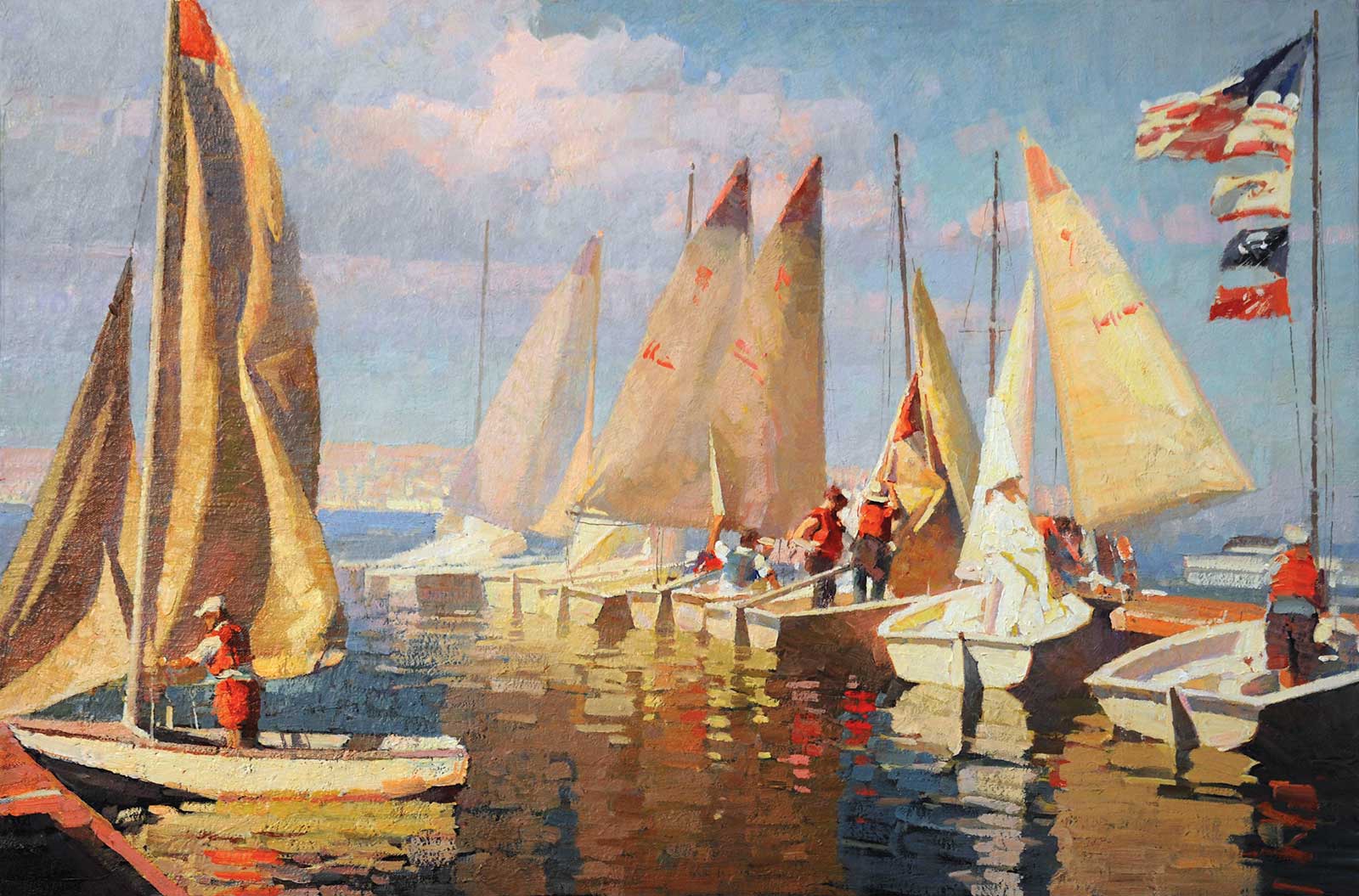 Setting Sails in Newport Beach, oil on canvas, 20 x 30" (50 x 76 cm)
My painting process begins with willow charcoal, which I use to build and refine the composition. This stage allows me to explore visual balance freely, as willow charcoal is easily adjustable until the composition feels right. Once satisfied I start applying color, first establishing the darkest values, then developing the middle tones and finally the highlights. After the first layer dries completely, I apply a thin coat of retouching varnish before proceeding to the next layer. Layer by layer, I build the painting gradually, enhancing depth, rhythm and the luminous quality of light.
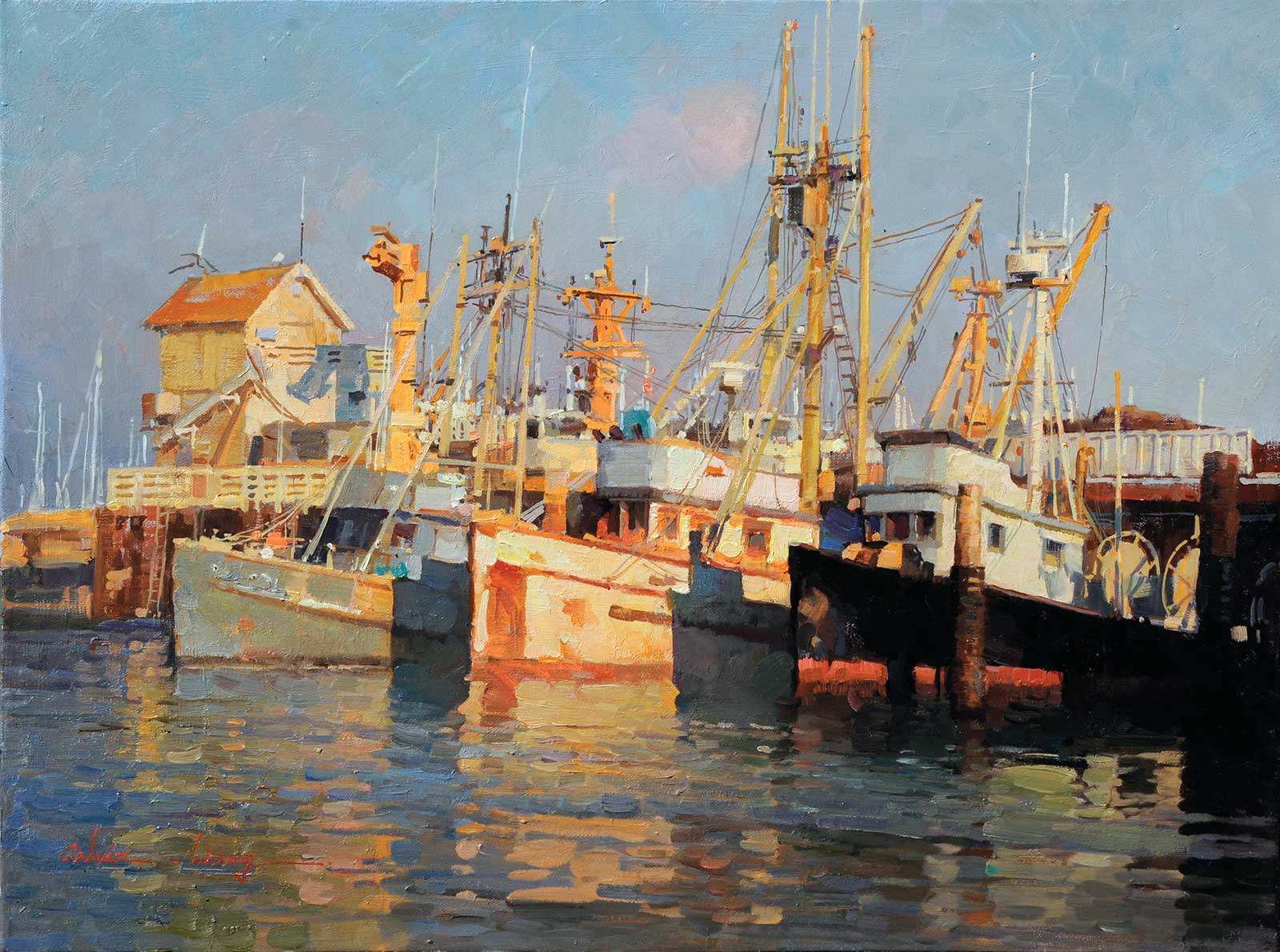
Fishing Boats in Santa Barbara Harbor, oil on canvas, 18 x 24" (45 x 60 cm)
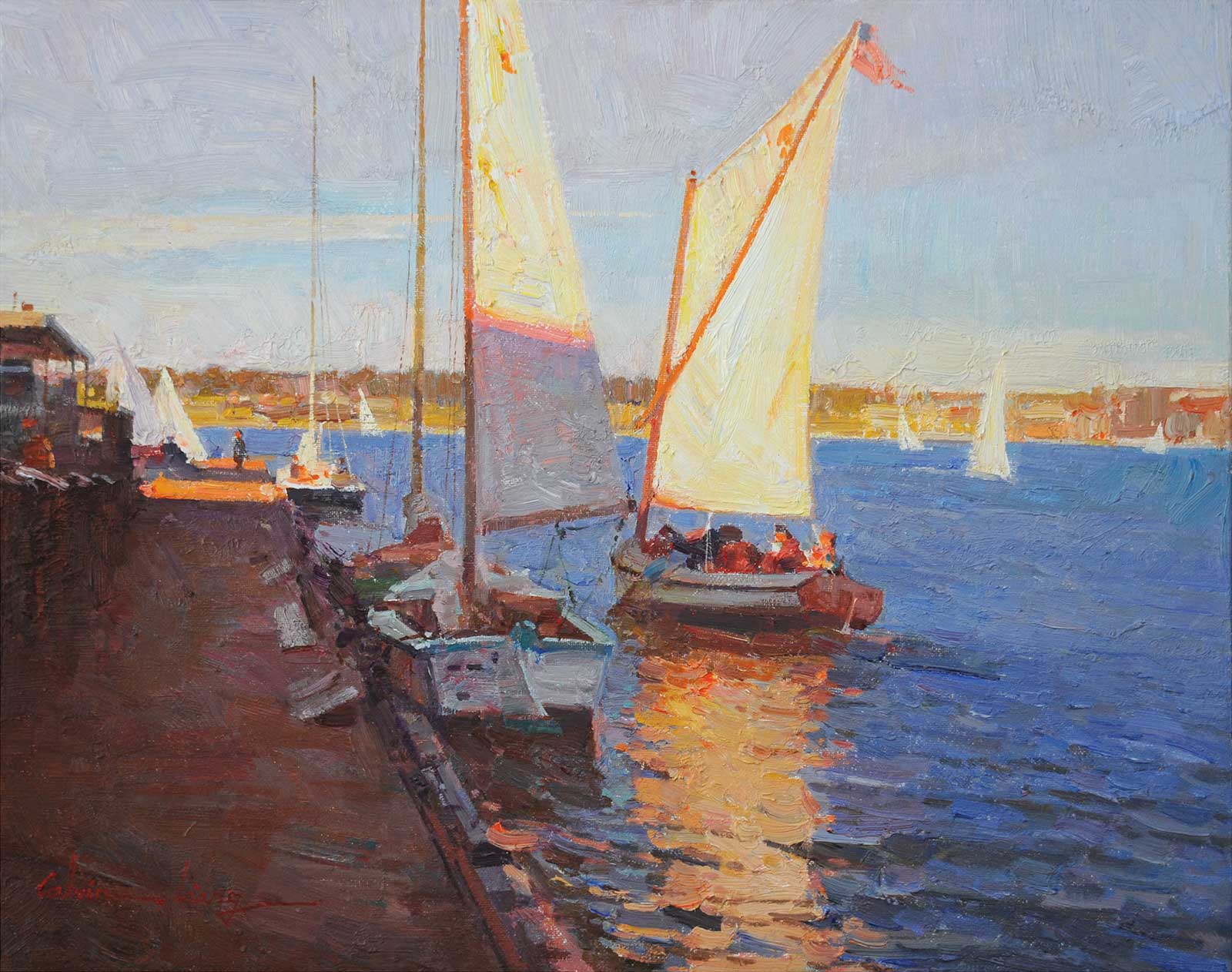
Sailboats, oil on canvas, 16 x 20" (40 x 50 cm)
When painting indoors, I often use photographs as references, but never as something to copy mechanically. I treat them merely as guides for form, color and tonal relationships. The goal is not to reproduce a photograph, but to interpret and transform it through the language of light, shadow and color. In doing so, I seek to capture the living presence of light—its movement, warmth and emotion—so that each painting becomes more than an image. It becomes a visual reflection of feeling, structure and spirit intertwined.
My Art in the Making: Sailing Along Newport Beach
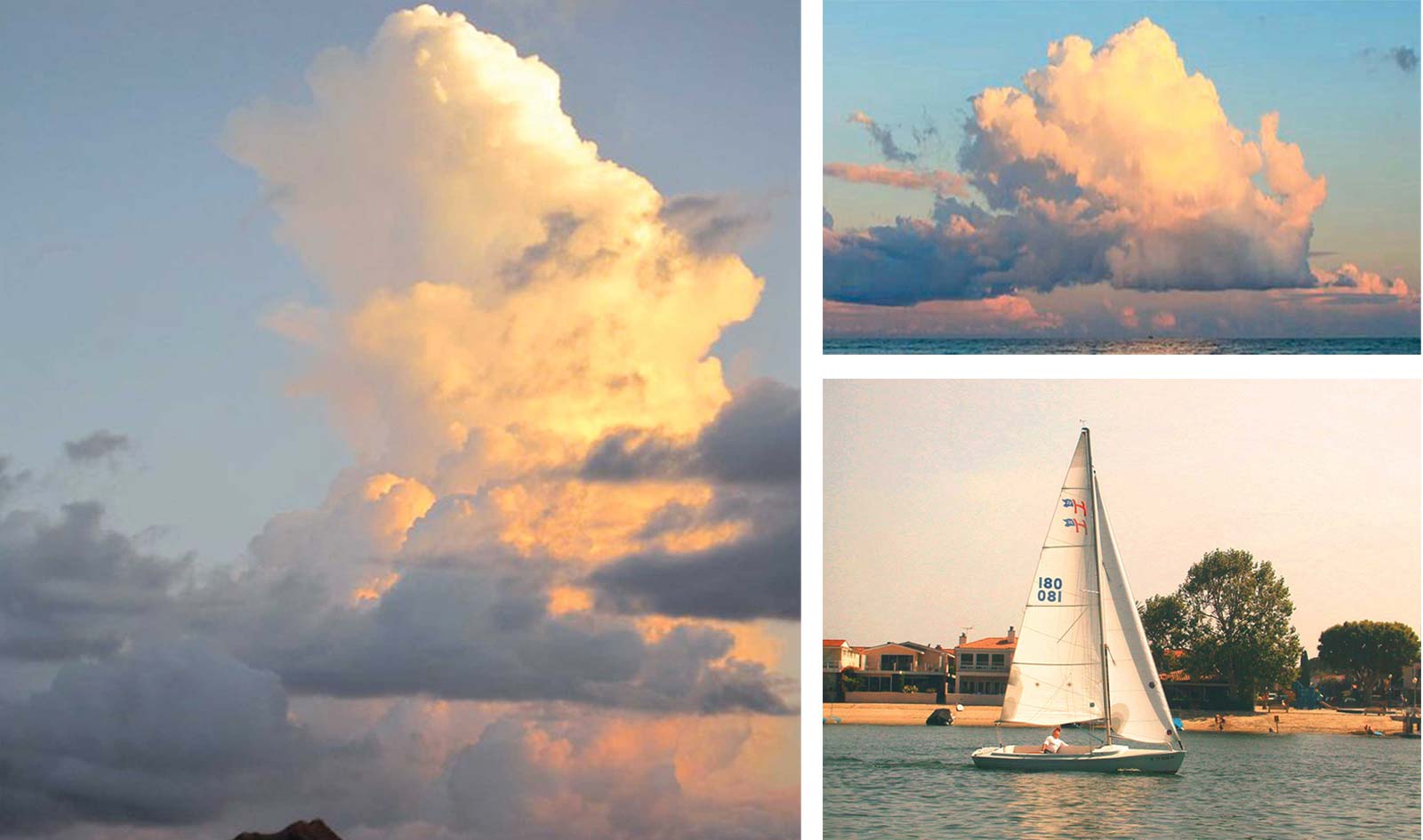
Reference Photos
I selected a photograph of a sailboat in motion. The strong light establishes a dynamic contrast in both value and color temperature, enhancing the visual depth and spatial atmosphere of the composition. The interplay between warm and cool tones not only defines the form but also conveys a vivid sense of time and mood, suggesting the transient quality of natural light.
I selected two reference photographs of sunset clouds in warm tones to explore the interplay of light and temperature contrast. By juxtaposing variations in color temperature and atmospheric layers, the composition evokes a strong sense of visual tension and emotional resonance. The warm hues of the sunset clouds convey the transient poetry of time and enhance the depth and spatial dynamics of the scene.
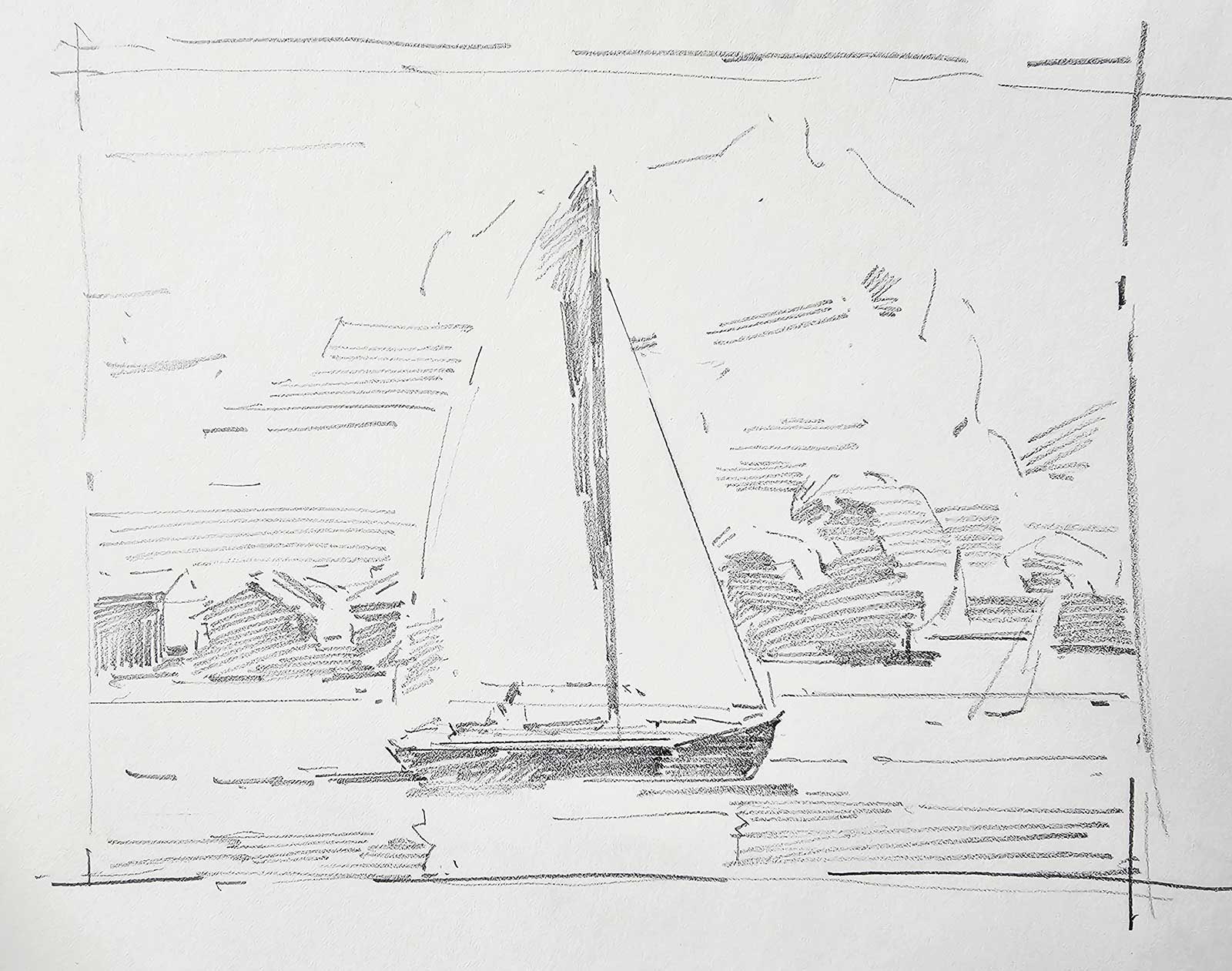
Stage 1 Composition
In developing the composition, I integrated the form of the boat with two reference photographs of evening clouds, using tonal sketches to establish the overall structure and visual rhythm of the scene. My focus was not on rendering details but on exploring the relationships between forms, the organization of space, and the dynamic balance created by light and shadow. This approach transforms the work into an exploration of form rather than a purely representational depiction.
WHAT THE ARTIST USED
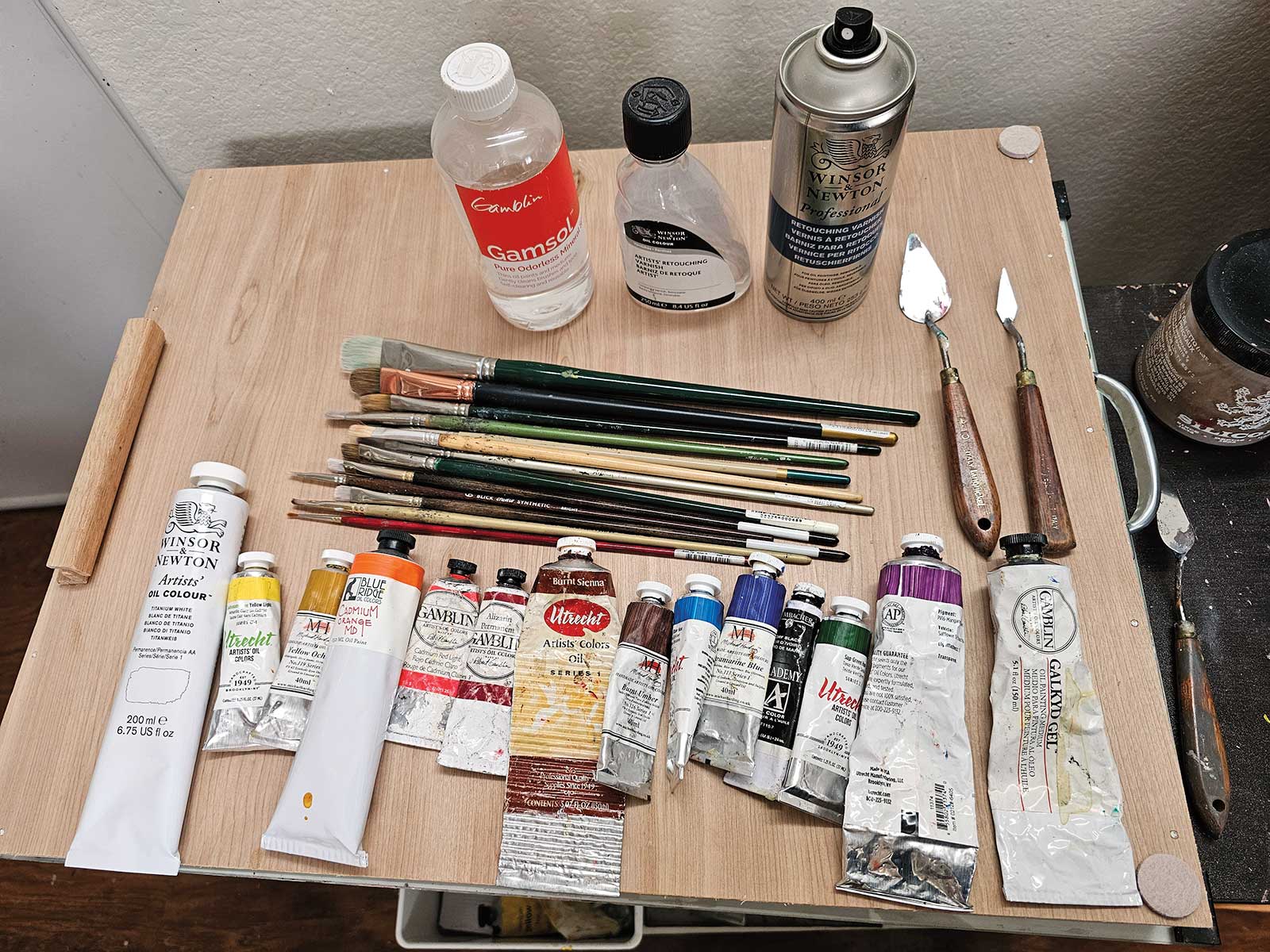
Oils
Titanium white, Cadmium yellow light/cadmium yellow pale hue, Cadmium red light/cadmium red hue, Yellow ochre, Orange, Burnt sienna, Burnt umber, French ultramarine, Cerulean blue/cerulean blue hue, Sap green/olive green, Alizarin crimson, Purple, Ivory black
Brushes
Bright, sizes 6, 10, 12, Filbert, size 6, Flat, sizes 2, 6, Artisan round, sizes 1, 2, 4
Additional Materials
Canvas panels or boards, Palette knife, Gamblin Galkyd gel, Turpenoid or Gamsol, Willow charcoal, Paper towels
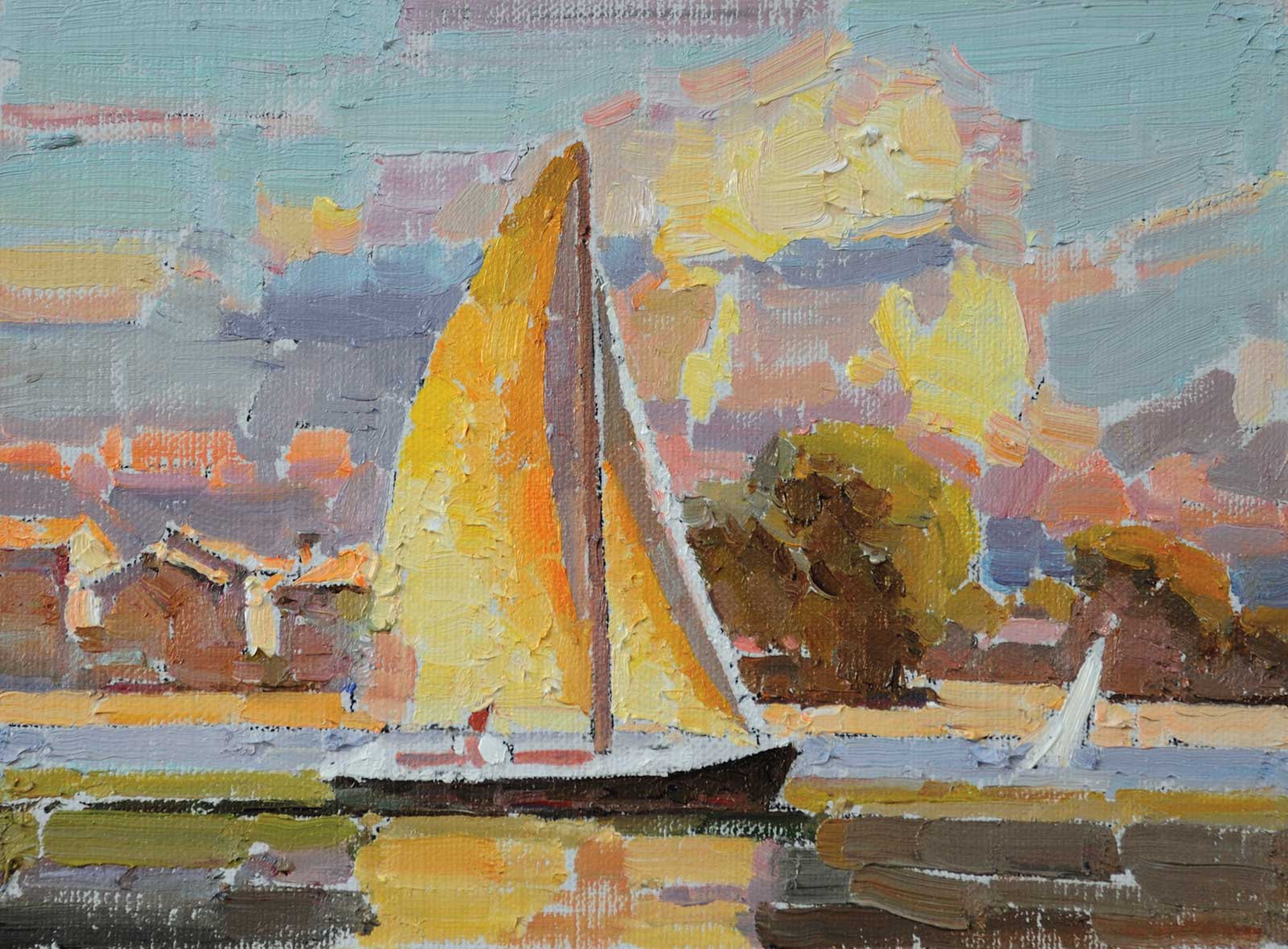
Stage 2 Color Study
Using photographic references of a boat and clouds, I developed a 6 x 8” color study that integrates compositional rhythm and atmospheric unity. The primary of this study is to explore the harmonious color relationships and emotional resonance within a sunset setting. By keeping the composition simple, I focused on analyzing the interaction between warm and cool tones, as well as identifying spatial temperature zones to better understand the influence of light on color dynamics.
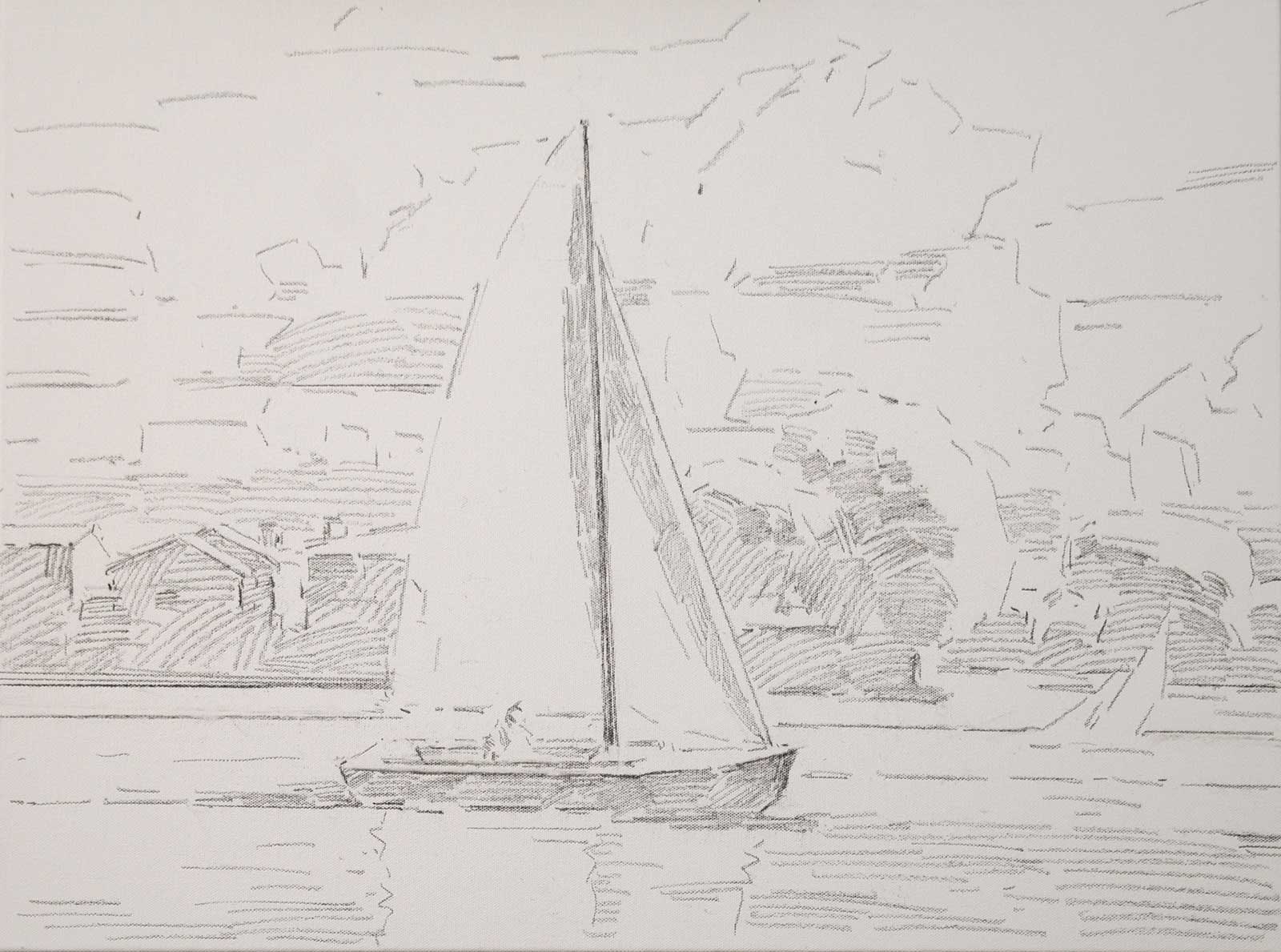
Stage 3 Basic Shapes
Using willow charcoal on an 18 x 24” canvas, I established the fundamental shapes of the objects, focusing on accurate proportions and dynamic balance within the composition. The arrangement integrates a variety of shapes and sizes to create visual interest and structural harmony across the picture plane.
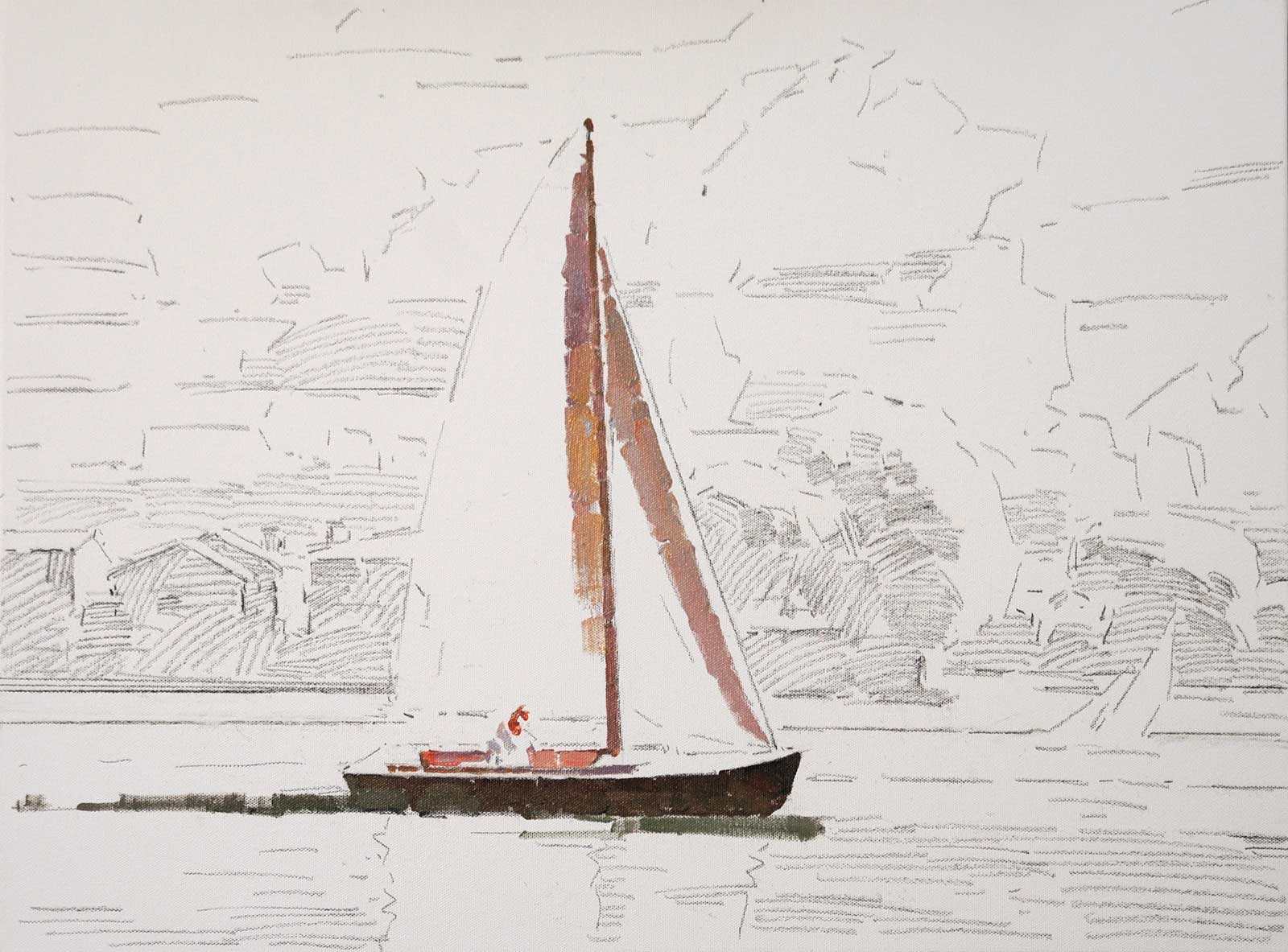
Stage 4 Visual Balance
At this stage, I devote a considerable amount of time to refining the compositional design, proceeding only when I am fully satisfied with the overall arrangement and visual balance. Typically, I begin by establishing the darkest values in the composition, which form the structural foundation of light and shadow. Throughout this process, I focus not only on the chromatic temperature and color relationships but also on carefully controlling tonal values to achieve a precise representation of depth, atmosphere and spatial coherence.
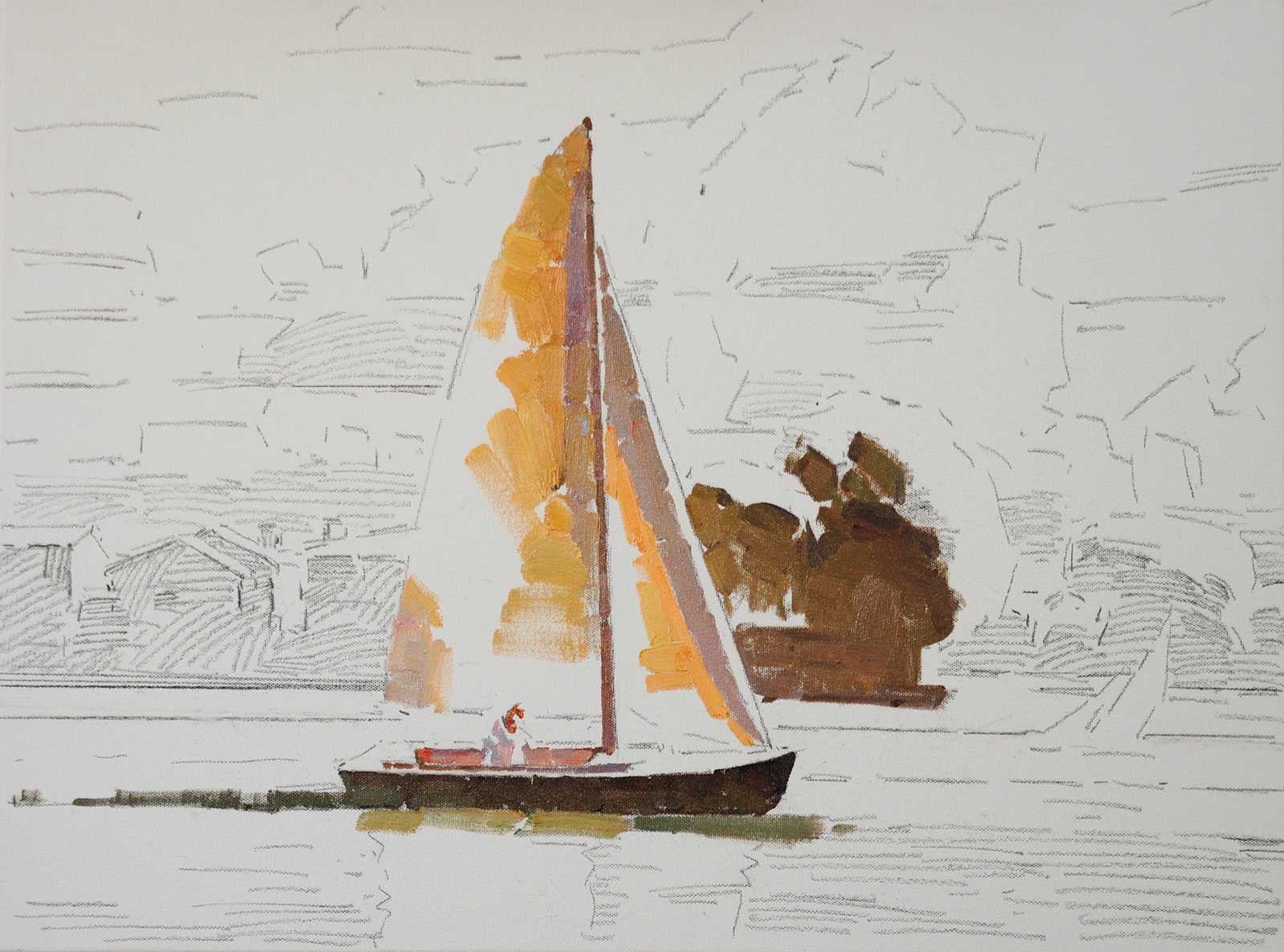
Stage 5 Refining the Darkest Tones
I continued to develop the darker areas of the composition, focusing on the sail of the boat and the shadowed sides of the mid-ground trees. By refining these dark tones, I aimed to enhance the overall value structure and spatial depth of the painting, creating a more rhythmic and cohesive balance between light and shadow.
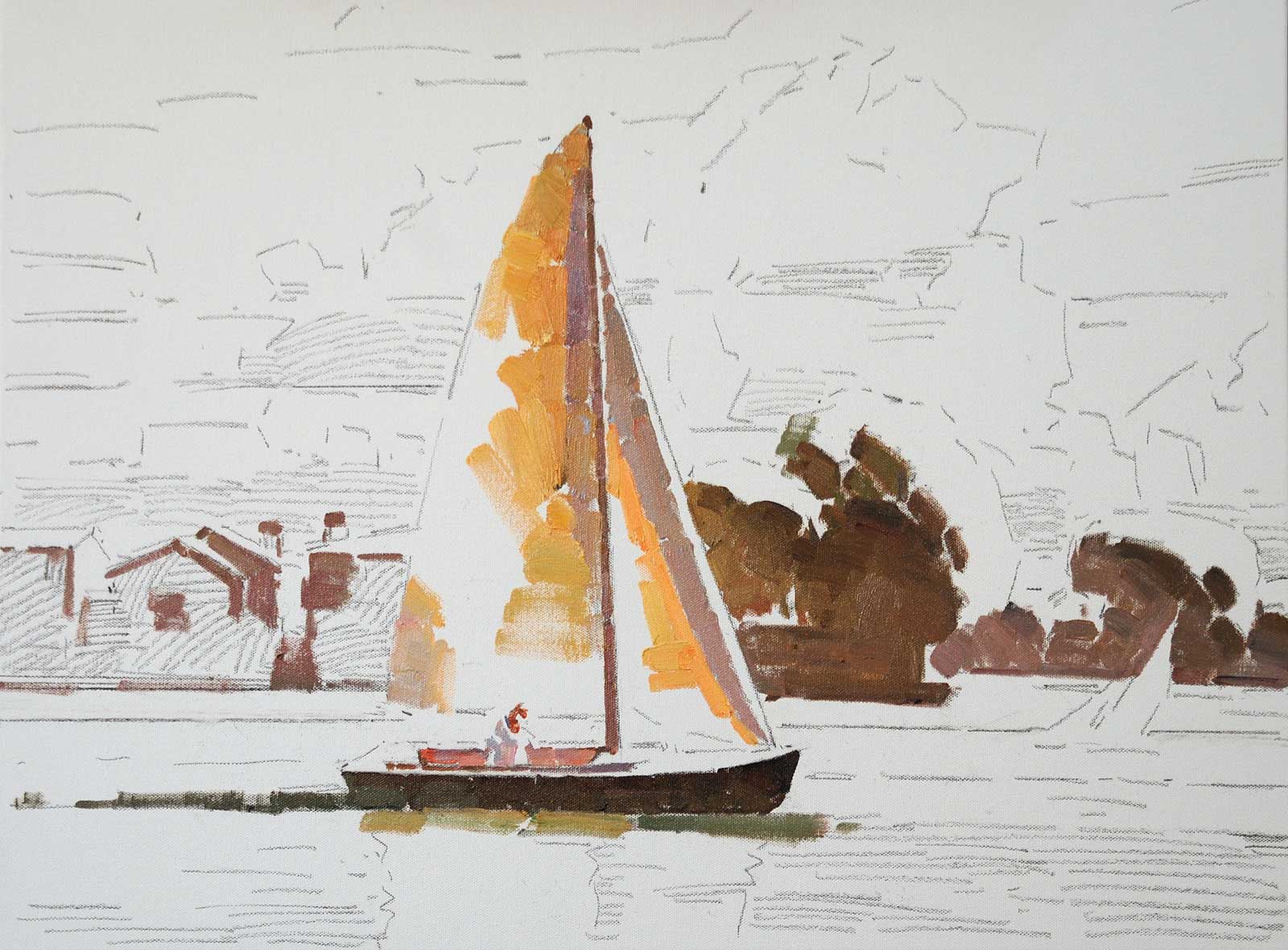
Stage 6 Further Developing Shadows
In the subsequent stage of painting, I continued to develop the shadowed areas across various structural parts of the composition. The focus of this process lies in observing and analyzing the subtle color relationships among different shadow regions, ensuring both richness and harmony within the overall tonal structure. By exploring variations in temperature, value and saturation, the shadows not only reinforce the sense of form but also contribute to a cohesive rhythm and spatial depth within the composition.
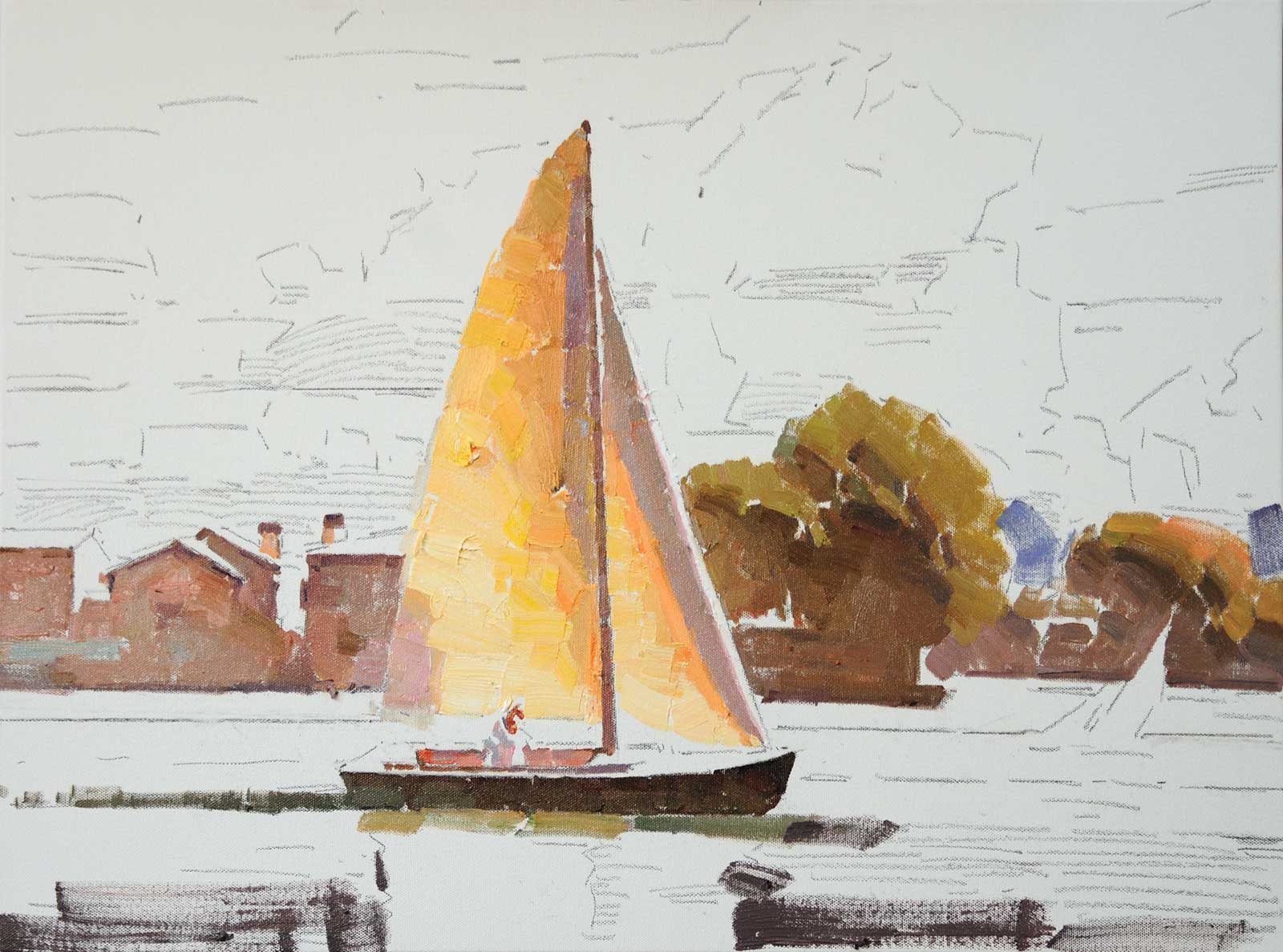
Stage 7 Sky & Water
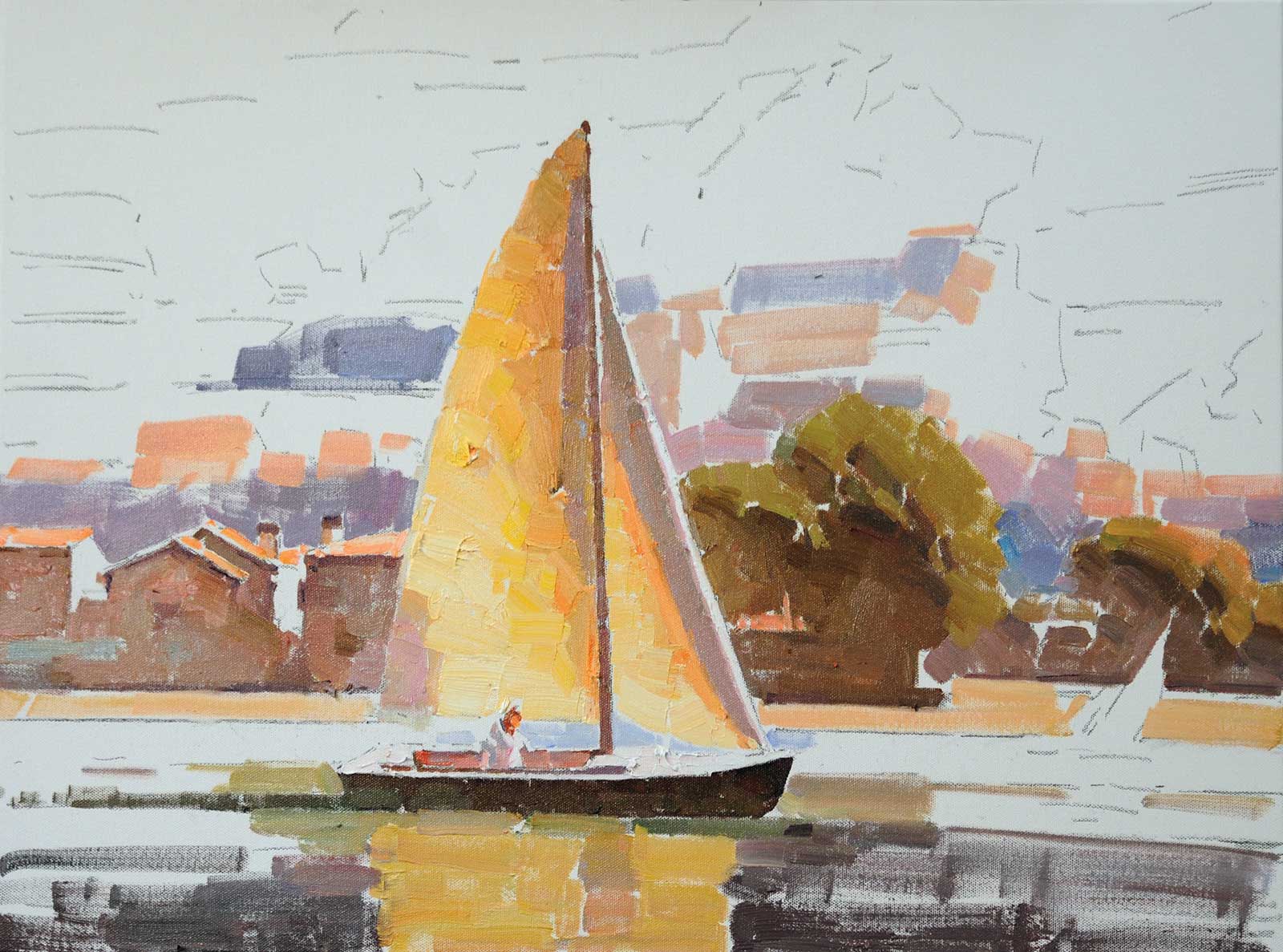
In the creative process, once the rendering of the shadow areas reaches a satisfactory level, I shift my focus to the coloration of the sky and water. At this stage, emphasis is placed on the relationships between colors and the overall atmospheric effect, rather than on meticulous detail, allowing the painting to convey mood and visual rhythm through its chromatic composition.
Stage 8 Developing Mid-Tones
As I begin to develop the middle tones, my intention is to evoke a sense of joy within the composition. Through careful modulation of color temperature and value relationships, I aim to create a harmonious and uplifting atmosphere. The balanced use of mid-tones serves to unify the overall image, enhancing both visual rhythm and emotional resonance.
Stage 9 Balancing Color
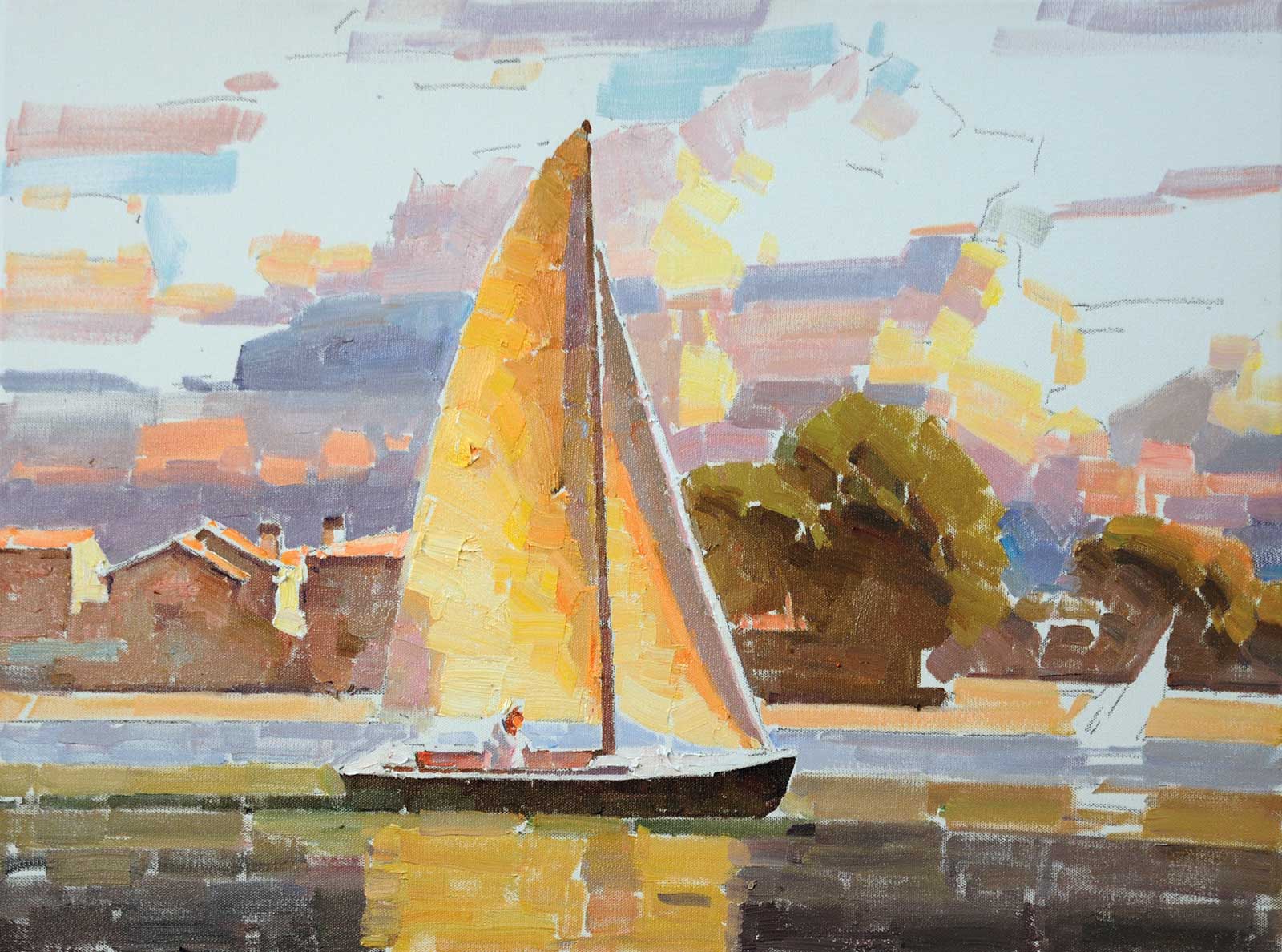
In this study, I enriched the visual complexity of the composition by introducing a variety of mid-tones in the sky and water areas. The palette predominantly consists of warm hues, complemented by subtle neutral cool tones to achieve greater chromatic diversity. To neutralize certain colors and create more harmonious transitions, I mixed in small amounts of their complementary hues, thereby reducing color saturation and enhancing the overall balance of the composition.
Stage 10 Bringing It All Together
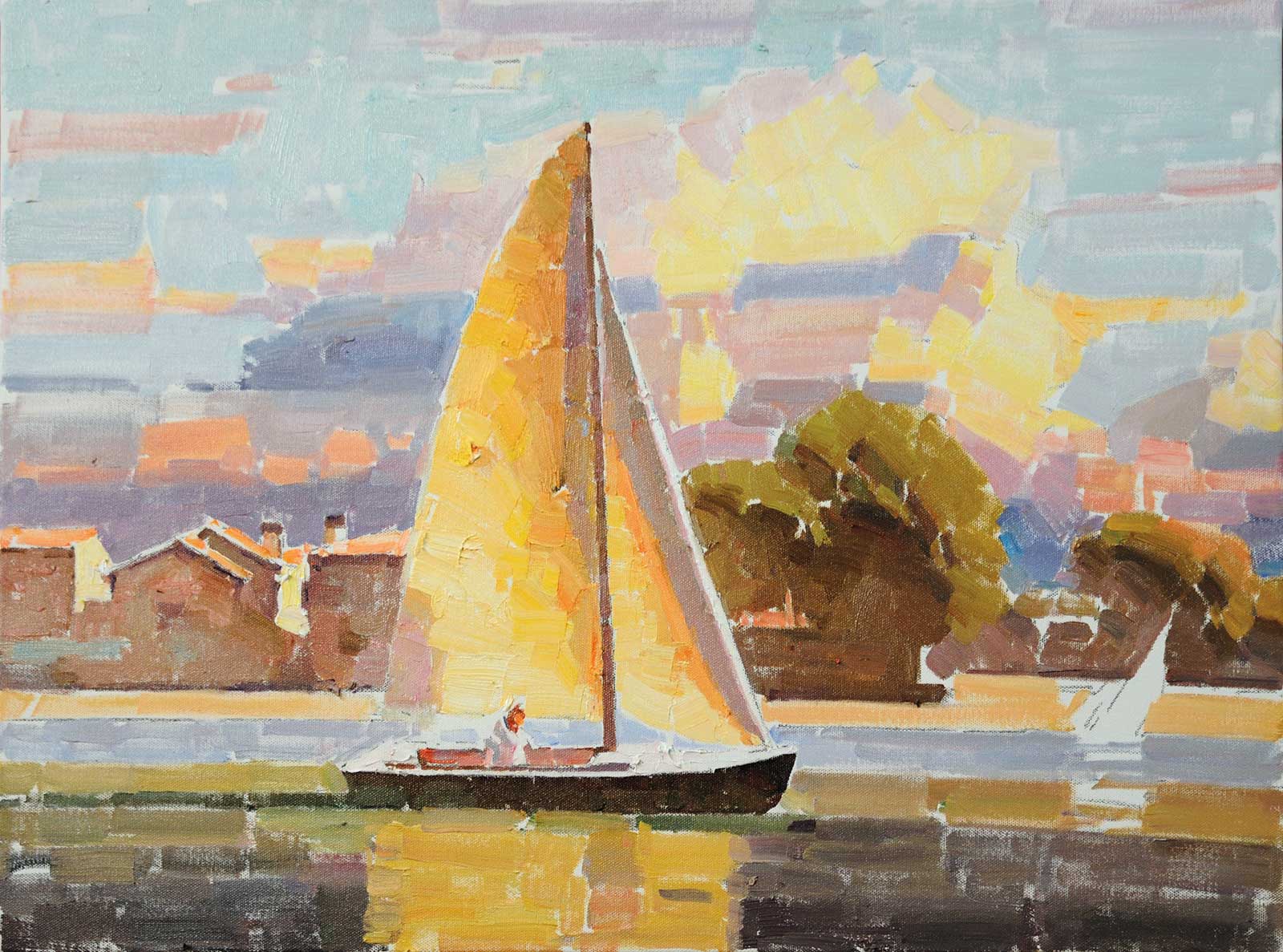
At this stage of the painting, my focus was on achieving chromatic harmony and overall unity of atmosphere. I applied middle tones to the sky using a large brush, slightly thinning the paint with Galkyd gel to create a fluid and spontaneous quality in the strokes. The process was executed quickly to preserve a sense of vitality rather than overemphasizing detail. As the composition transitioned downward toward the water, I introduced yellow-green hues to establish a harmonious relationship between the sky and the reflective surface. For the sailboat, I added the lightest tonal values, incorporating touches of yellow and other warm colors. These luminous passages were carefully integrated to connect the highlights with the rest of the painting, reinforcing both the color temperature balance and overall visual coherence.
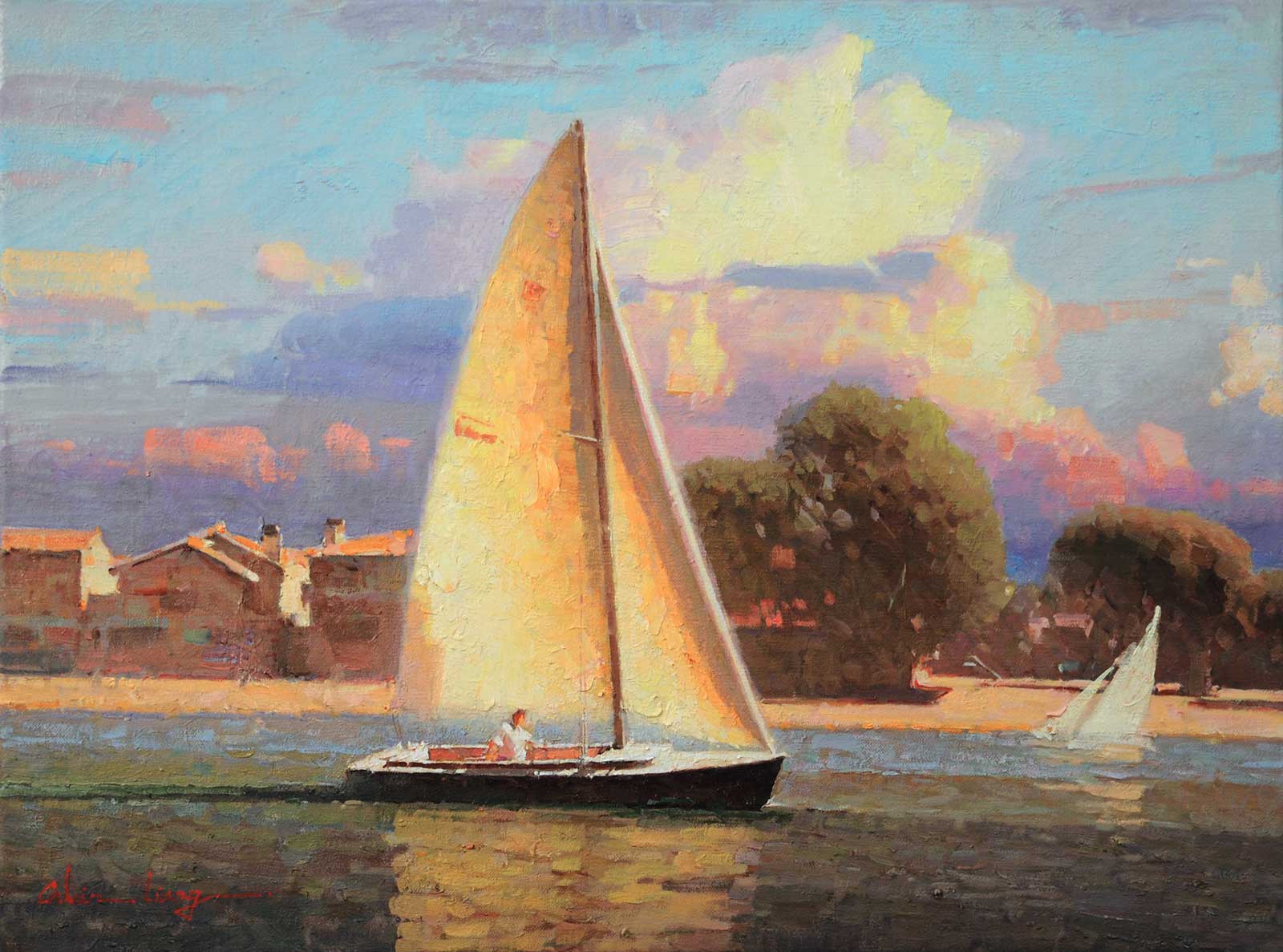 Sailing Along Newport Beach, oil on canvas, 18 x 24” (45 x 60 cm)
Stage 11 Finished Artwork
At the final stage of the painting, I intentionally slowed down the process to critically evaluate each decision, ensuring that every adjustment aligned with the emotional atmosphere I aimed to convey: a sense of warmth and quiet joy reminiscent of a sunset. Excessive emphasis at this stage could easily compromise the freshness and spontaneity of the work. Therefore, I refined the relationships between color and value to enhance rhythm and spatial depth, while selectively increasing contrast to strengthen visual focus. In the final touches, I sharpened the edges around the sails and used a fine brush to add subtle details to the figures, imbuing the composition with vitality and narrative resonance. This phase embodies the balance between intuition and discernment—the essence of making smart artistic choices.
About the artist
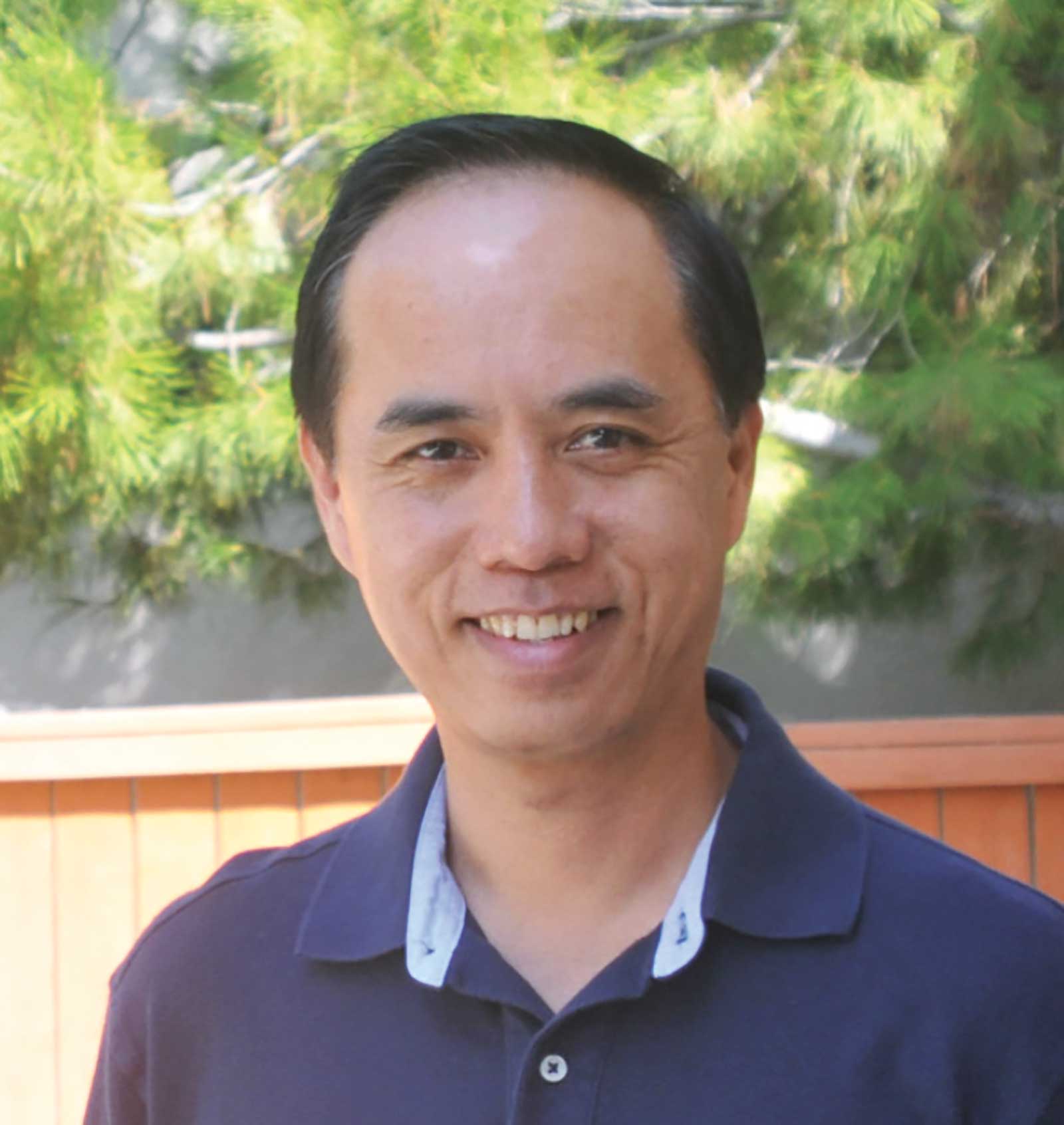 Calvin Liang
Calvin Liang was born in Canton, China. He began painting in high school and completed his art education at the Shanghai Academy of Fine Arts, recognized as one of China’s most prestigious and competitive art academies. In China, his skills as a fine artist were applied to the theatrical industry where he designed and created sets for operas and musical dramas for the Canton Opera Institute. Liang moved to the United States in 1987 and continued his profession as a full-time artist. He had a long and successful career creating visual art for the entertainment industry in animation, which included Walt Disney Studios and Nickelodeon where he worked on The Little Mermaid and Spongebob Squarepants.
However, he decided to quit working for the studios to pursue a full-time career as a fine artist, painting themes of his choosing. Since leaving his animation career in early 2002, Liang has definitely been noticed. His accomplishments include winning several top awards in important exhibitions including the Award of Excellence in the National Oil & Acrylic Painters’ Society’s 32nd Best of America National Exhibition in 2022; the Bronze Medal Award in the master signature division of Oil Painters of America’s 2025 Eastern Regional Exhibition, and many more.
Liang is a master signature member of Oil Painters of America and the American Impressionist Society, and a signature member of California Art Club and Laguna Plein Air Painters Association.
Contact at
calvinliangfineart.com