



Over the last several months, I have spent considerable time reflecting on the life and career of John Singer Sargent. This year marked the 100th anniversary of the great artist’s passing in London on April 14, 1925. A number of exhibitions will be held throughout the year to celebrate the work of an artist who has made an indelible mark on the timeline of art history with his provocative portraits, landscapes, and figurative works. One of these exhibitions is being held in the heart of the Cotswolds, in England, in the village of Broadway.
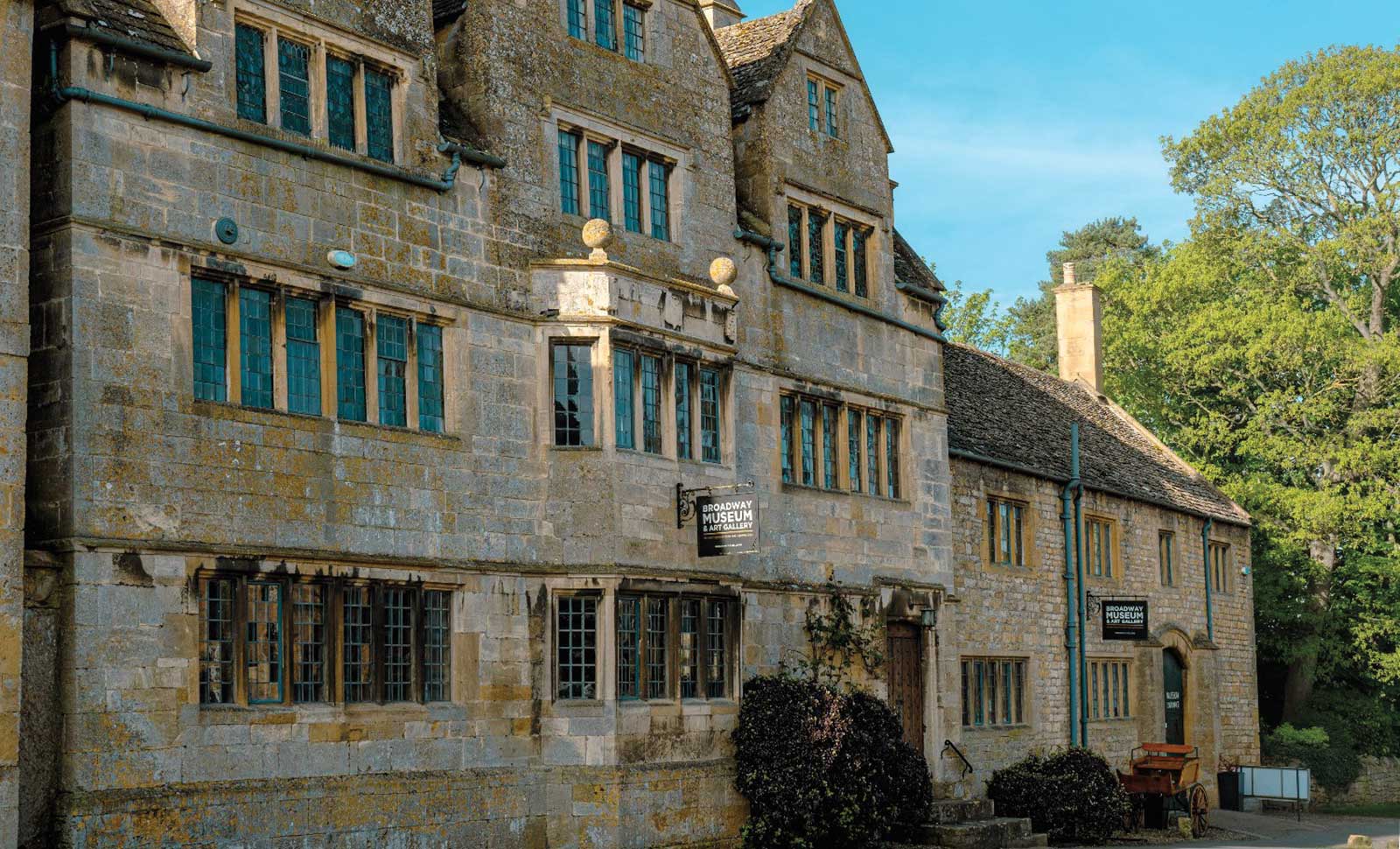
Broadway Museum and Art Gallery
Sargent’s time in Broadway in the late 19th century is a fascinating but somewhat less documented part of his life. In the 1880s, Broadway was known as a gathering place for artists and intellectuals. In this village, Sargent was surrounded by other notable artists, including members of the Pre-Raphaelite and Arts and Crafts movements, who all found inspiration in the area’s natural beauty and tranquil atmosphere. This artistic community had an impact on Sargent’s time there, exposing him to new ways of thinking about the role of art in society and daily life.
There are many reasons why Broadway and the remarkable artists’ colony that once thrived there remain one of the most significant moments in Sargent’s career. Not only did his summers in the village provide respite from the stresses of his portrait studio work in London where, increasingly, an endless queue of patrons lined Tite Street, but it gave the young artist an opportunity to expand his creativity, painting landscape and figurative works with the encouragement of his friends.
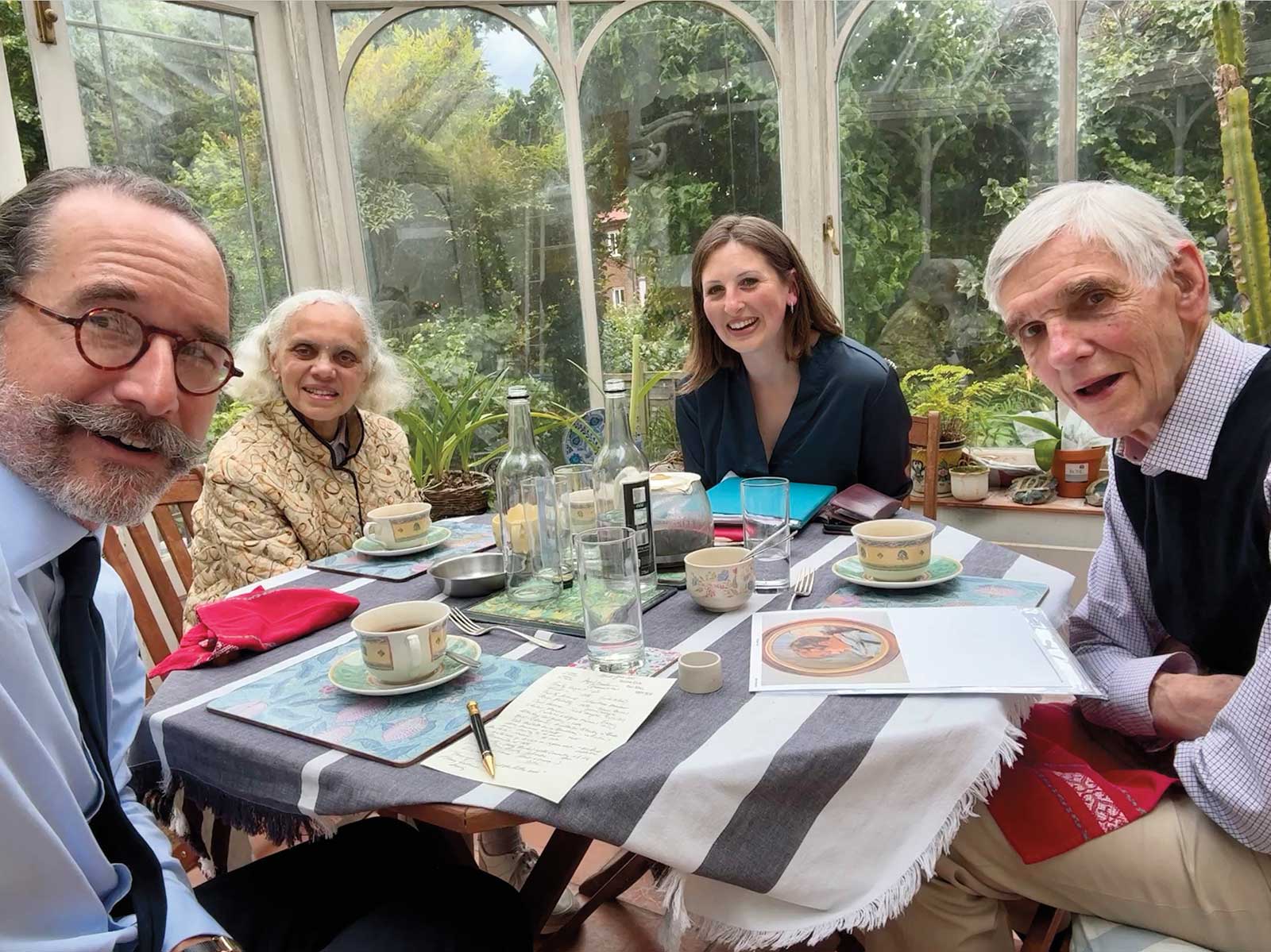
Shane Neal, Leonee Ormond, Anona van Lawick and Richard Ormond discuss plans for bringing an exhibit of Sargent’s works to the Broadway Museum.
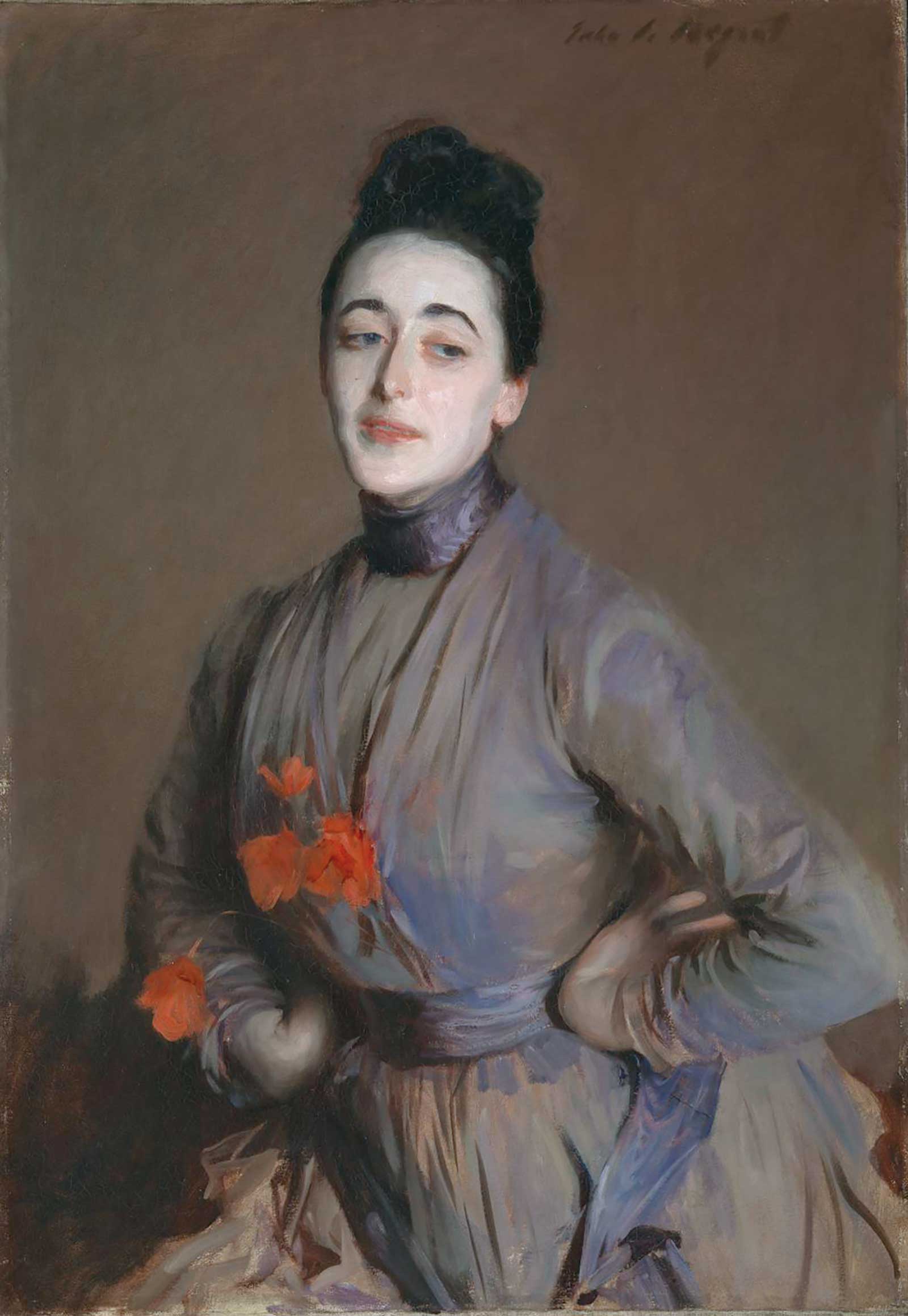
John Singer Sargent (1856-1925), Flora Priestley, oil, 36 x 25” (91 x 63 cm)
Carnation, Lily, Lily Rose, which was painted in Broadway, remains one of the artist’s most important pieces. It was the catalyst that brought the British into full admiration of impressionism and elevated the artist to even grander heights. Without the encouragement of Sargent’s circle of friends and colleagues in Broadway, he would possibly not have advanced his style and clarified his voice as an artist at such an astounding clip. The days spent in the heart of the Cotswolds and the encouragement of his friends will remain a pivotal point in the artist’s career.
It has been a great privilege for me to consult on the exhibition with Broadway Museum and Art Gallery Director Anona van Lawick and Richard Ormond, the great nephew of Sargent. After months of planning, John Singer Sargent: Sargent’s Circle opened to the public on April 14 and will remain at the Broadway Museum and Art Gallery through July 19, 2025, offering an exceptional opportunity to experience some of the artist’s iconic works. Enjoy portraits of Sargent’s friends and associates, some painted during his time in Broadway, alongside some of the artist’s most intimate and personal works.
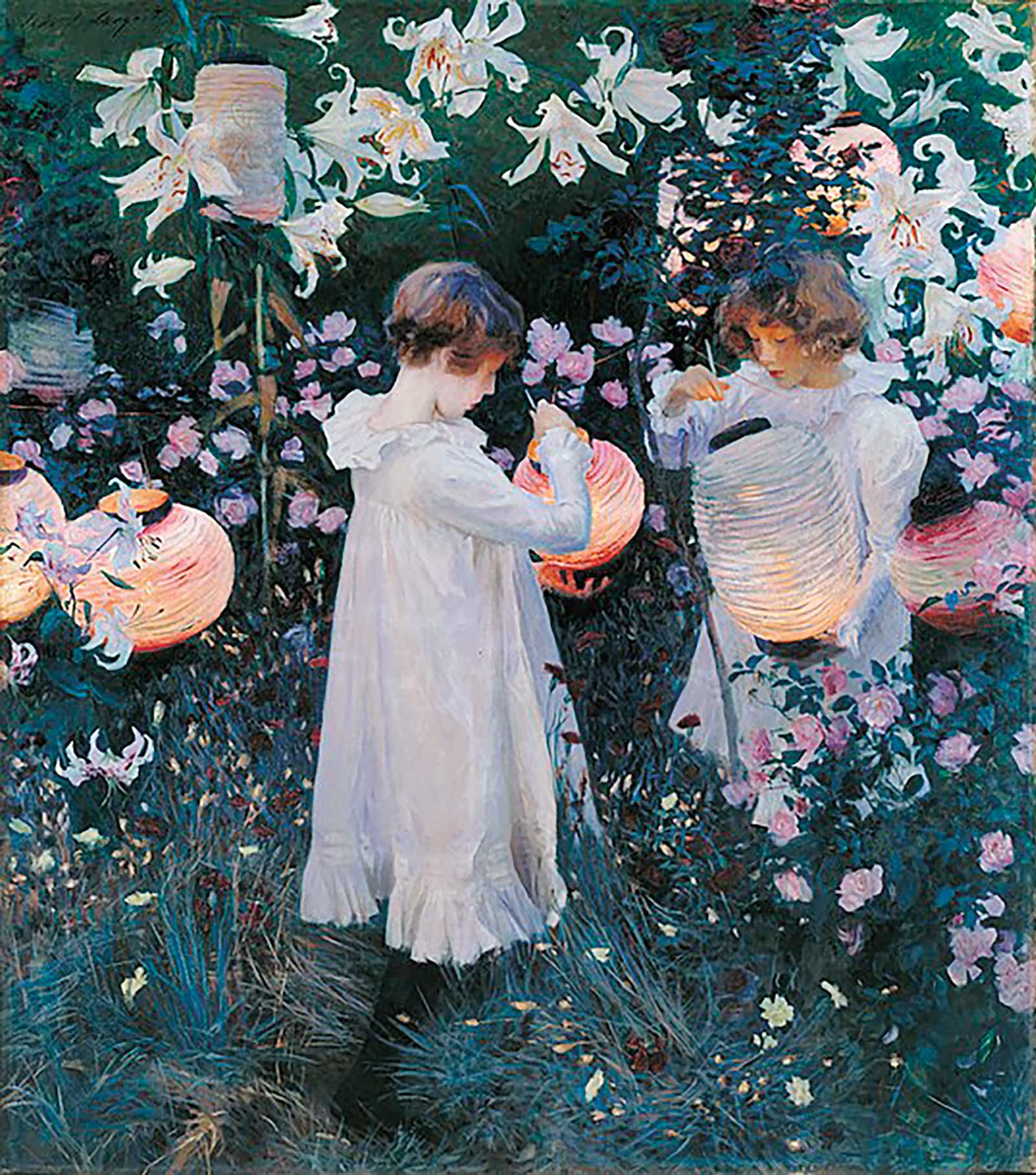
John Singer Sargent (1856-1925), Carnation, Lily, Lily, Rose, 1885-56, oil, 68½ x 60½” (174 x 153 cm)
Paintings by Sargent will be displayed alongside the artist’s original tools, providing a rare glimpse into the creative process that led to the production of these masterpieces. Featuring portraits of figures who played vital roles in Broadway and in Sargent’s life, such as Lady Lewis, Flora Priestley, Violet Sargent, and Mary Anderson, these works reveal the artist’s remarkable ability to capture his sitters’ personalities and inner lives. Some of these iconic portraits and artifacts have not been seen together since they were first created, making this exhibition a truly unique experience. If you are planning to be in the UK at all during this exhibition, I would encourage you not to miss the chance to step into the world of John Singer Sargent and discover the vibrant, artistic history of Broadway through the eyes of one of the greatest portraitists in history.
Sincerely,
Michael Shane Neal
Chairman