Supporting the next generation is crucial for the future of the arts. The Portrait Society of America recently announced the First-Place winner of our 5th annual The Future Generation Competition, which was established to recognize the work of emerging artists between the ages of 18 and 25 years old. Our late Chair, Edward Jonas, believed that early recognition in art competitions could greatly influence a young artist’s career, much like it did for John Singer Sargent. At age 23, Sargent earned Honorable Mention at the Paris Salon for his portrait of his teacher, Carolus-Duran, thus launching his portrait career. From 322 submissions, Ecuadorian-born artist Ruben Astudillo took First Place with his self-portrait, Closer.
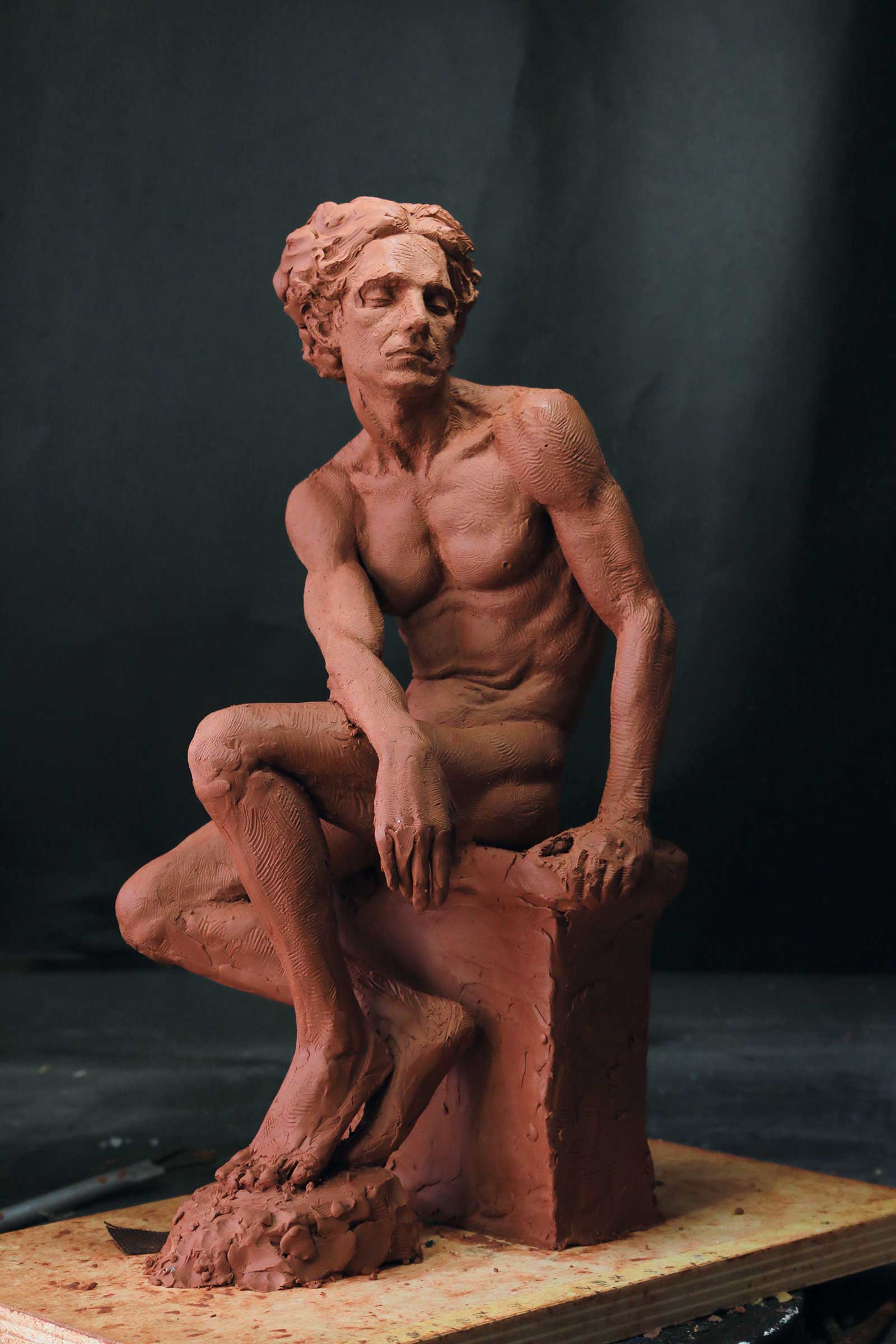
Andrea Morani, sculpture made in The Rome Workshops with David Simon.
Ruben Astudillo’s artistic journey began at the age of 6 when he first discovered clay. Though no one in his immediate family is a visual artist, his grandfather, a thoughtful writer and lawyer, has been a significant influence and often serves as the subject of his sculptures. His parents, both doctors, initially struggled with his decision to pursue art, but they have since come to fully support his creative endeavors. Growing up, Astudillo took lessons from Boris Salinas, a renowned ceramist and sculptor from his hometown of Loja, who was also his teacher at school. His mentorship sparked Astudillo’s passion for creation.
Christine Egnoski: I can imagine your excitement at being selected as the First-Place recipient of The Future Generation Competition. Can you tell us about your inspiration and the story behind your winning work?
Ruben Astudillo: I created three self-portraits in complete isolation as a means of introspection and self-analysis, choosing not to reveal them until they were fully realized to ensure their sincerity remained intact and that my voice was untainted by outside influences. These works served as a therapeutic outlet, allowing me to explore and redefine misconceptions I held about myself. They are deeply empirical and representational—more a dialogue between myself and my inner self than a formal research project.
The first portrait, Over-Thinker, was completed in the winter of 2023. The second, Closer, emerged during the spring, while the third, Nothing Left to Lose, was finished this summer. For me, Closer encapsulates an explosion of ambiguous emotions—an internal outcry that I needed to capture in order to let go and embrace it.
I found profound inspiration in the life and work of Franz Xaver Messerschmidt, particularly his Character Heads. The work that resonated with me the most was Anima Dannata by Bernini. There was a moment when I almost abandoned this piece due to its technical challenges. Physically, I struggled with muscle tension and jaw pain, and emotionally, it weighed heavily on me. However, while traveling in Perugia, I encountered a paper maquette for this work that reignited my motivation and ultimately propelled me to completion. Additionally, Messerschmidt’s The Yawner remains a significant reference point for my exploration.
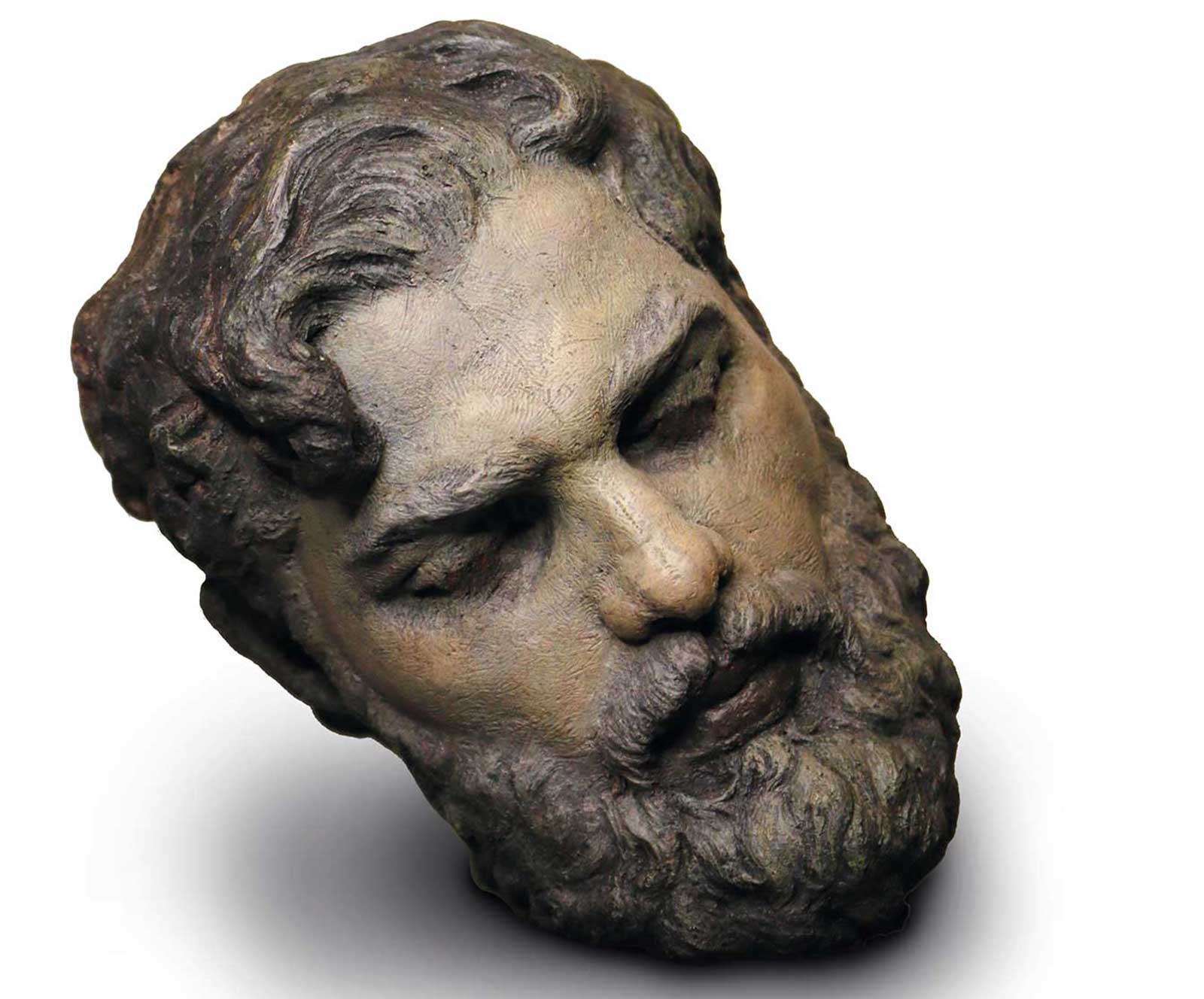
Over-Thinker, terracotta, 7 x 6¼ x 6½" (18 x 16 x 17 cm)
CE: What is the core message that you wish to communicate with your artwork?
RA: My artwork is deeply personal, reflecting my feelings and the people I cherish. Art has served as therapy since childhood, helping me navigate life and death, which I view as magical. My ultimate goal is to first understand myself, then create work that addresses broader societal issues beyond my individual experience. As a human, I share common emotions that can evoke empathy in others. I am particularly interested in exploring identity. As an Ecuadorian, I see much of our heritage lost to colonialism and globalization, leading to a fading sense of identity.
Pablo Ortega
CE: To date, what was the most important breakthrough in your artistic training?
RA: It’s hard to pinpoint just one moment. I’ve been fortunate to encounter incredible opportunities and the genuine interest from fellow artists has been invaluable. Artists like Andrew Freeman, David Simon, Simon Lee, Brian Booth-Craig, Valter Casotto and Mike Rib truly appreciate my passion for sculpture and the craft of making. I want to take a moment to express my gratitude to them for their unwavering support.
I can highlight two or three transformative experiences: First, meeting Mike Rib in 2020 introduced me to the Halloween and special effects industry. He’s not only an inspiring professional but also a cherished friend. Second, my training with Andrew Freeman at Immortal Masks was pivotal. Andrew is one of the kindest people I know; his encouragement and joy in my achievements have made him a true mentor in mask and monster creation. Lastly, conversations with David Simon and my first trip to Rome, where I attended his workshop, profoundly motivated me to pursue representative arts. David is someone I hold in high regard and who has significantly influenced my artistic journey, especially in portraiture.
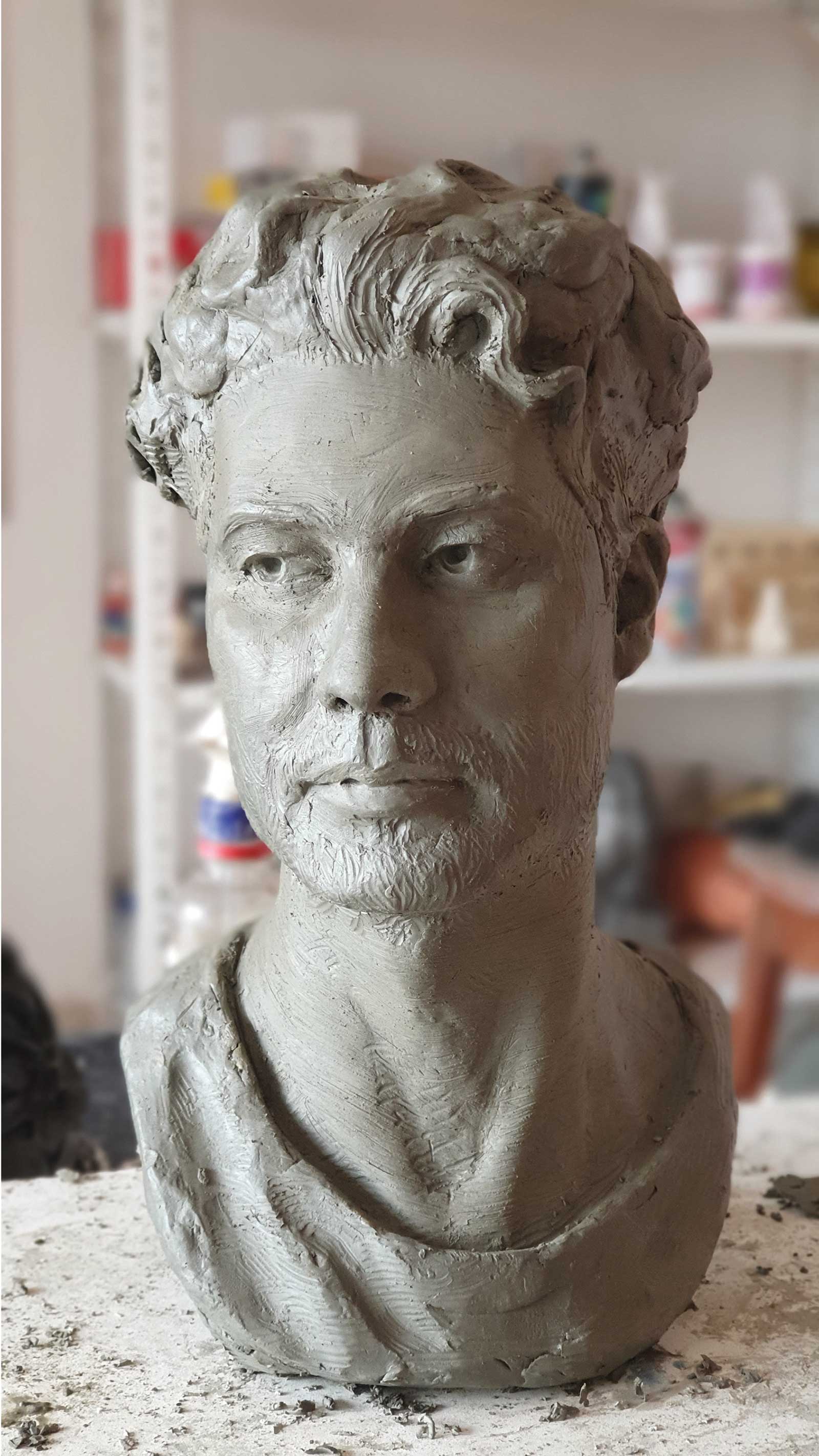
Portrait of Gaetano, study made with David Simon.
CE: What is the ultimate goal for you as an artist, and what do you find most challenging?
RA: Something I love about art is that it has no practical purpose; in a way, it is useless. However, it has had a significant impact on society throughout history. From the earliest societies, art began as a form of magic and esotericism in primitive eras, serving important roles in rituals and community cohesion. It also evolved to fulfill religious and communicative purposes, often intertwined with politics and cultural identity. I believe art should convey a message, but its interpretation is highly subjective and varies across cultures and historical contexts. This highlights the intricate relationship between art and magic.
My goal is to learn as much as I can, explore, experiment and eventually contribute something new. I am patiently working toward that. Additionally, one thing I would truly appreciate is the opportunity to teach in my home country where there is a lack of high-level art schools. I want to expand people’s knowledge and skills once I reach a significant level of expertise, helping to cultivate a vibrant art community. I aspire to leave a lasting legacy that resonates with future generations and contributes to the artistic dialogue.
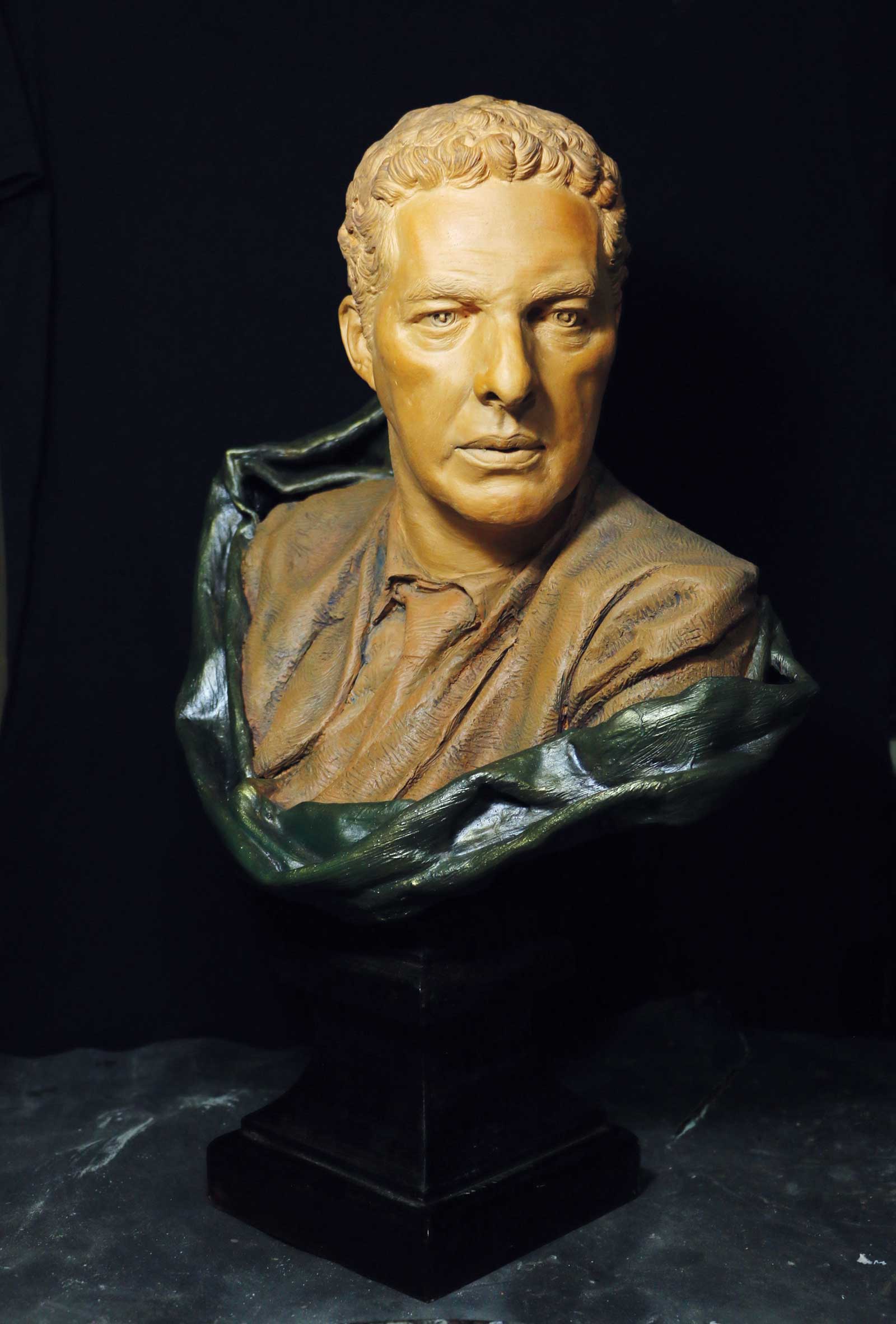
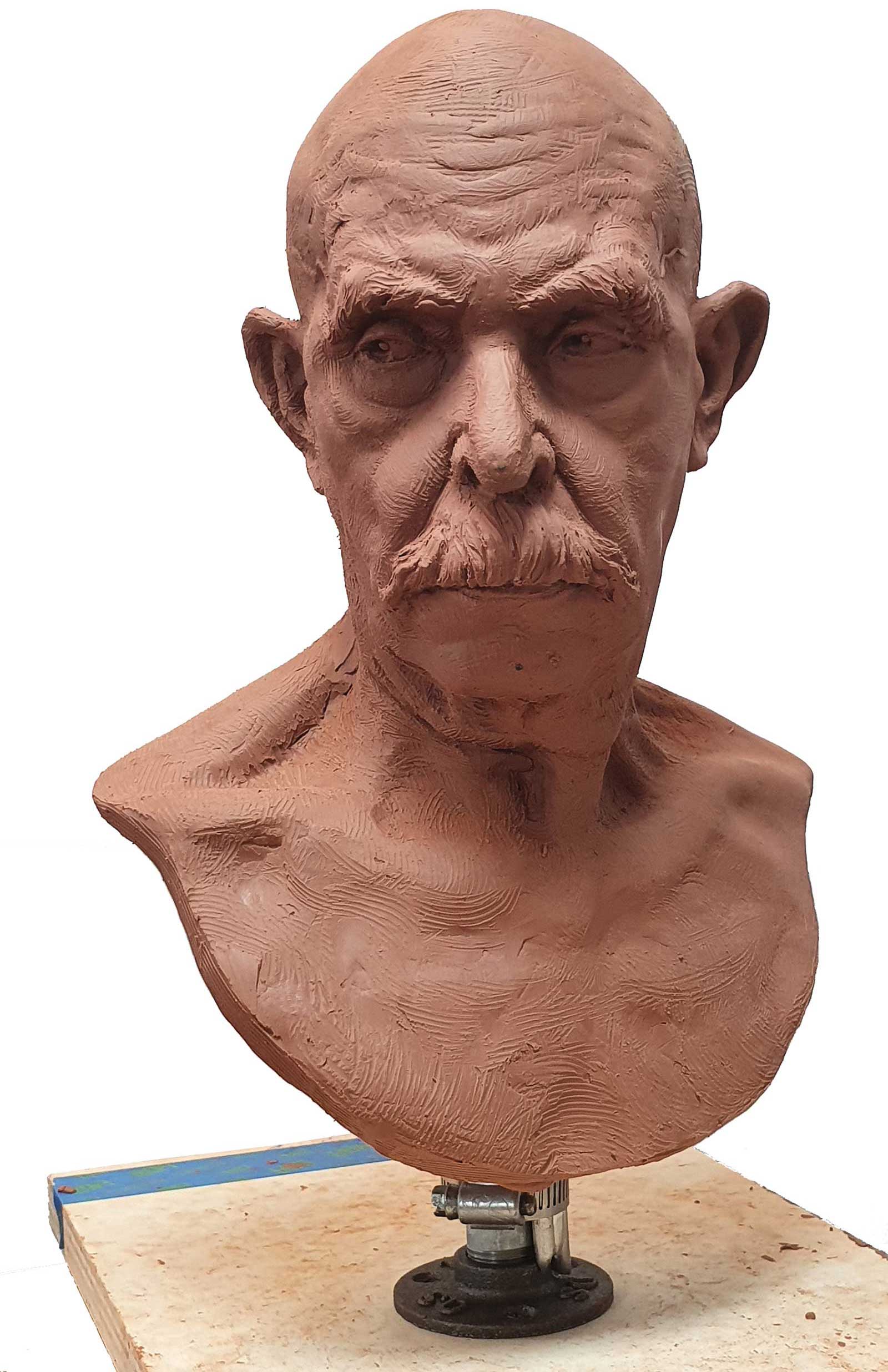
Father’s Portrait, terracotta, 13¾ x 9¾ x 9½" (35 x 25 x 24 cm);
There are challenges in art, starting with the difficulty of making a living from it. From a technical standpoint, I would say the hardest part is knowing when to stop. Sometimes it’s too early, and other times, too late. I think it’s crucial to maintain a cool head throughout the process. However, I believe that technique is not the most important aspect of art. While it can enhance the expression of ideas, true artistry lies in the ability to connect emotionally and convey meaningful messages, which transcends technical skill.
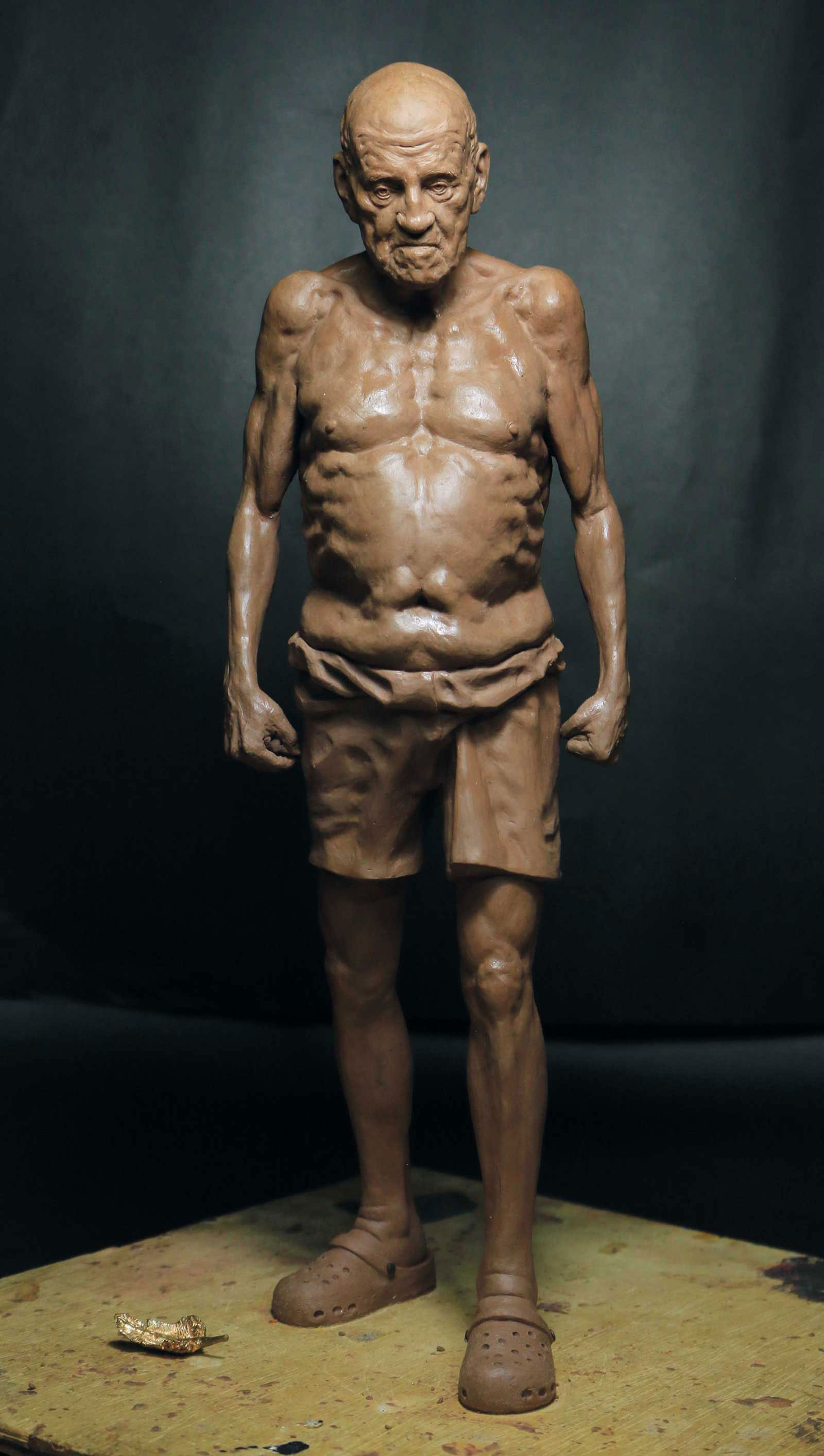
Un Luchador Por la Vida, 15¾" (40 cm)
CE: Where do you see yourself in the next five years?
RA: In five years, I envision myself well-prepared, working as an independent artist in a beautiful studio that reflects my creative vision. One of my goals is to live from the sale of my personal art, establishing a sustainable career. I also hope to embark on a couple of projects for film before reaching that five-year mark. I aspire to be respected in the art community, known for my unique contributions and authentic voice. For now, I am committed to working hard to make this vision a reality, dedicating myself to honing my craft and gaining exposure. With perseverance and passion, I believe I can achieve my goals and connect meaningfully with others through my art.
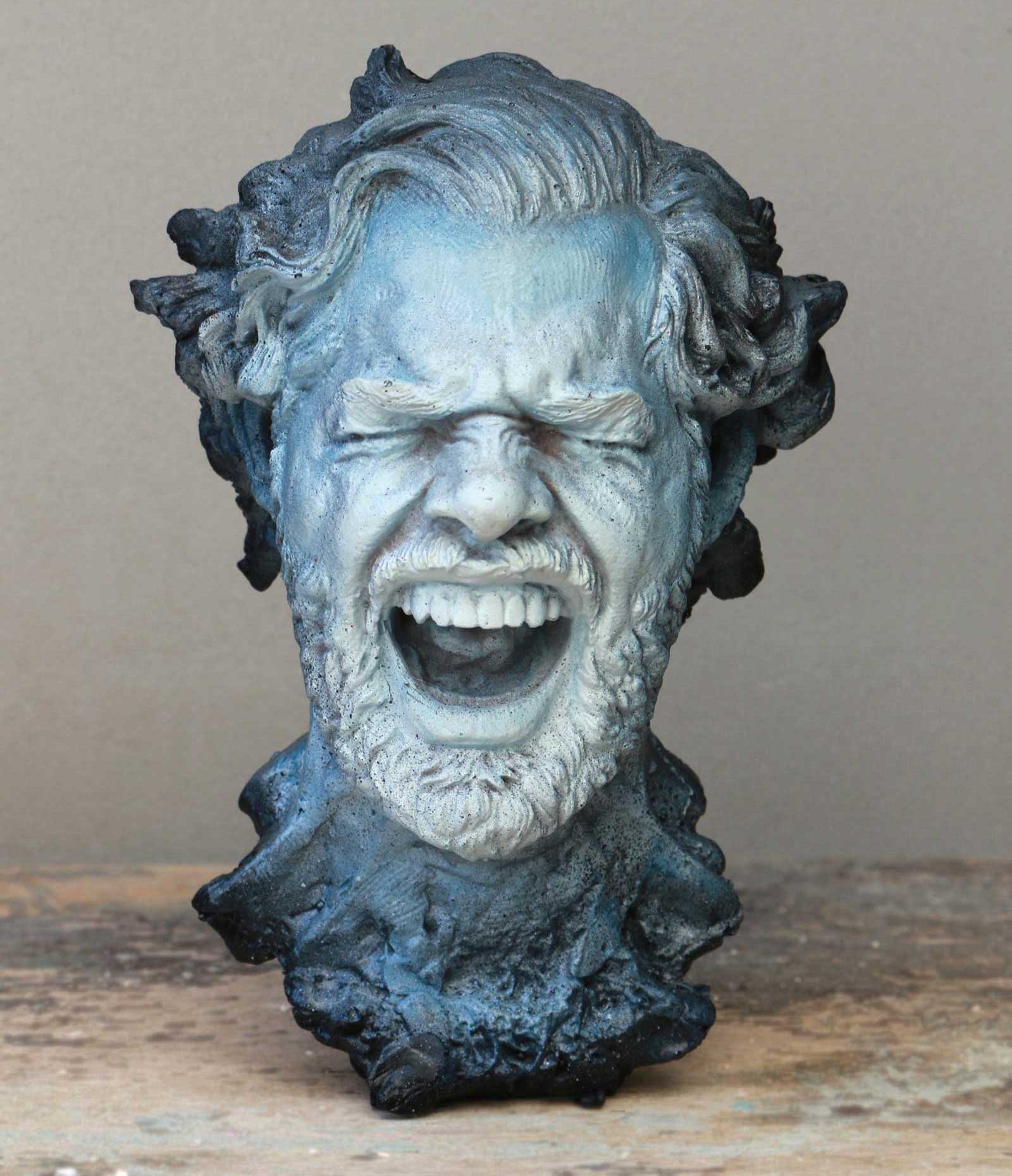
Closer, resin, 11.8 x 7.8 x 7.4" (29 x 19 x 18 cm)
CE: If you had one piece of advice for fellow young artists that are facing discouragement, what would that be?
RA: If I had one piece of advice for fellow young artists facing discouragement, it would be to embrace the journey rather than fixate on outcomes. Every artist experiences setbacks, but those moments often lead to growth and deeper understanding. For me, perseverance is crucial; it’s important to never stop doing what you love, even if it is not every day. Stay curious, keep experimenting and remember that your unique voice matters. Surround yourself with supportive peers and never underestimate the power of persistence. —
Christine Egnoski is the CEO for the Portrait Society of America and has served in this position since the founding of the organization in February of 1998. In addition to writing for International Artist, she also provides occasional articles for American Art Collector. Passionate about portraiture? She can be reached at christine@portraitsociety.org.