In a world increasingly dominated by digital technology and rapid innovation, young artists are finding themselves at a crossroads where the allure of contemporary methods clashes with a deep-seated craving for traditional training. This longing for classical techniques and the foundational principles of art is not merely a nostalgic sentiment; it reflects a profound desire for authenticity, mastery and a deeper understanding of the artistic process. As young creatives navigate the complexities of modern art, their yearning for traditional training reveals an inherent tension within the evolving landscape of artistic expression.
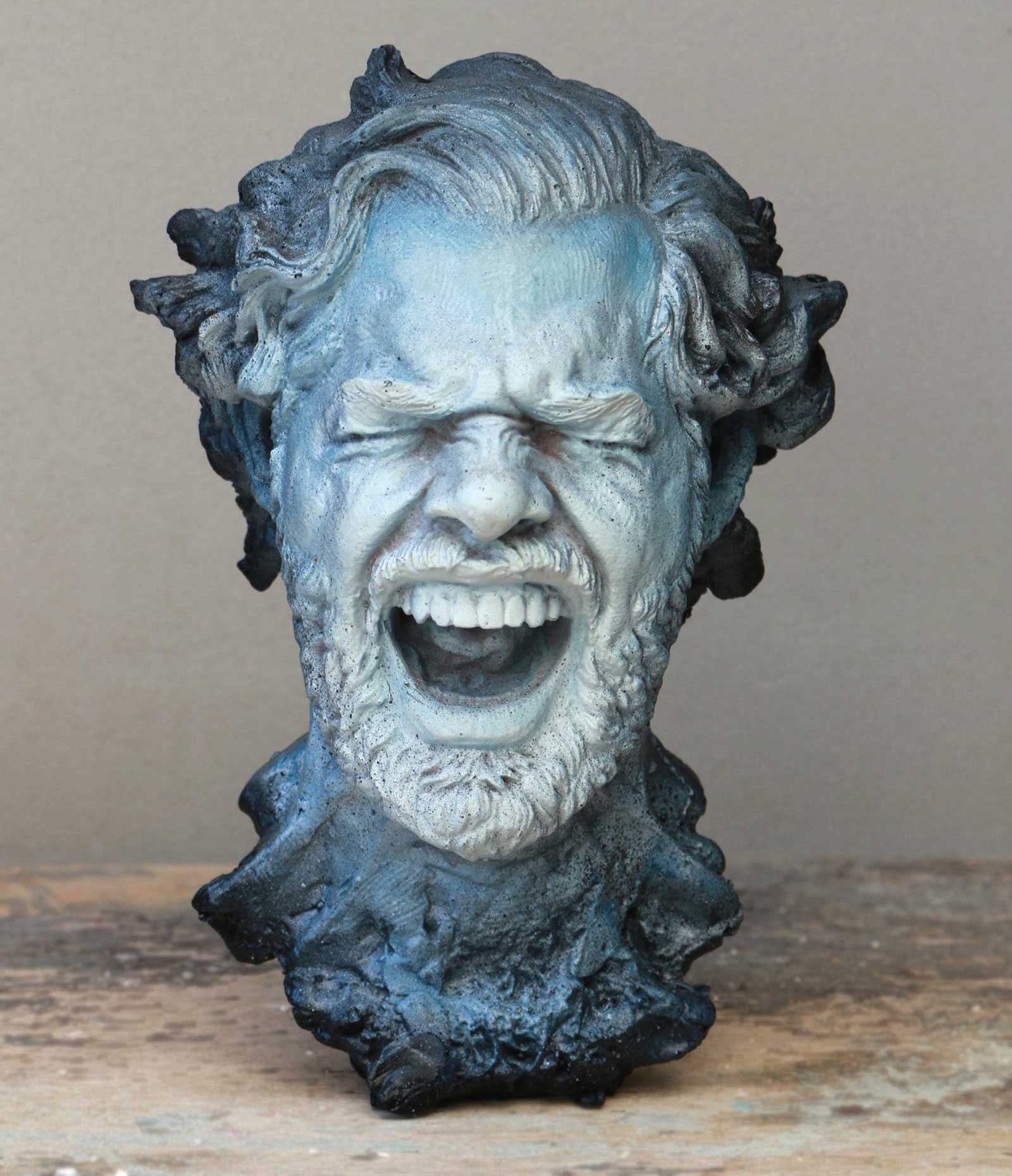
First Place Winner: Ruben Astudillo, Closer, resin, 11.8 x 7.8 x 7.4" (29 x 19 x 18 cm)
The rise of digital technology has democratized the creation and distribution of art, allowing virtually anyone with a computer or tablet to become an artist. Platforms such as Instagram, TikTok and Etsy provide unprecedented opportunities for exposure and commercial success. However, this accessibility often comes at a cost. The prevalence of digital tools can lead to a superficial understanding of artistic principles, where the emphasis is placed on trends and immediate gratification rather than skill development and conceptual depth.
Young artists today are bombarded with images and styles that are constantly evolving, creating a sense of urgency to adapt and conform to the latest trends. While this environment fosters innovation and experimentation, it can also leave artists feeling ungrounded. In contrast, traditional training offers a structured approach, where the focus is on mastering techniques and understanding color theory, composition, and the historical context of art. This foundational knowledge equips artists with the tools they need to express their unique voices more effectively.
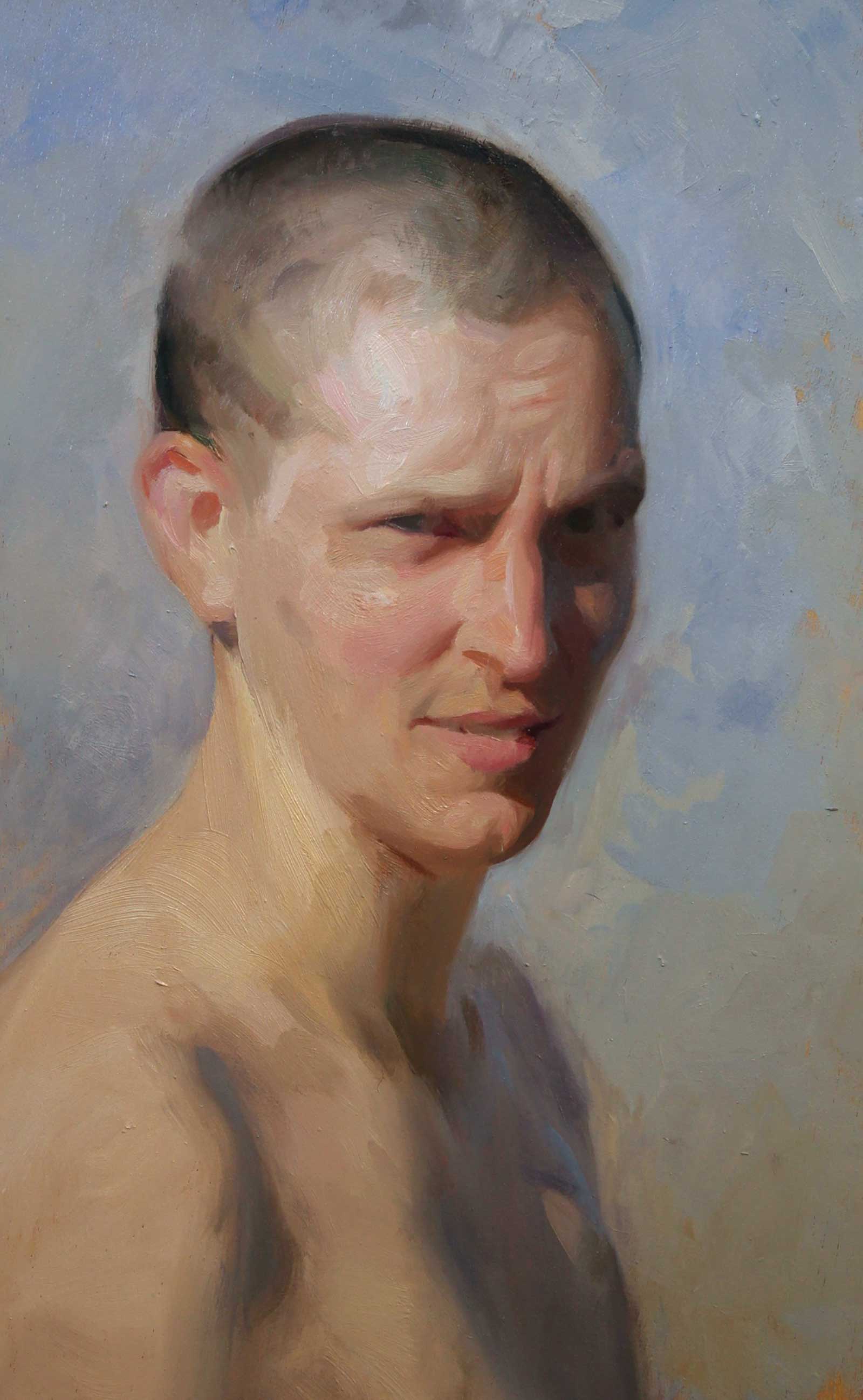
Second Place Winner: Patrick Robinson, Rob, oil, 16 x 10" (40 x 25 cm)
For many young artists today, the desire for more traditional training is rooted in a pursuit of mastery. The rigorous discipline associated with classical art training—be it drawing, painting, sculpture or printmaking—provides a sense of accomplishment that can be deeply fulfilling. The process of honing one’s skills through practice and repetition cultivates not only technical proficiency but also patience and perseverance. In an age where instant gratification is the norm, the slow, deliberate nature of traditional training can be a refreshing antidote.
Additionally, traditional training often emphasizes the importance of understanding the history of art and the cultural contexts in which it was created. This knowledge fosters a deeper appreciation for the medium and can inspire artists to draw upon past masters while developing their own contemporary narratives. By engaging with the works of artists such as Rembrandt, Velasquez or Sargent, young artists can glean insights that inform their practice, allowing them to create work that is both innovative and rooted in a rich artistic heritage.
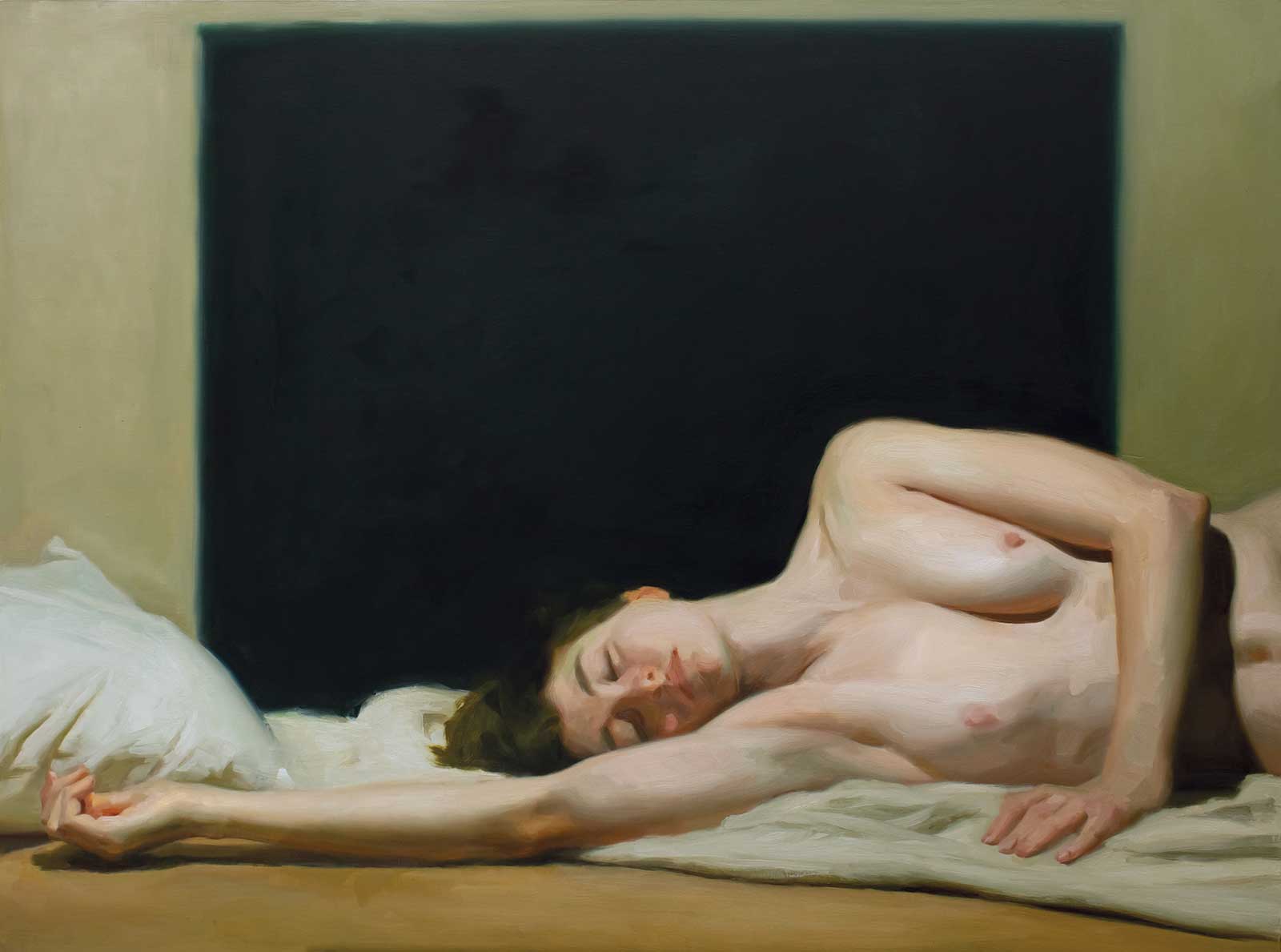
Third Place Winner: Caden Ferita, Black Square, oil, 30 x 40” (63 x 101 cm)
It is important to note that desire for traditional training does not necessitate a rejection of modern techniques and technologies. Instead, many young artists are seeking a hybrid approach that incorporates the best of both worlds. Workshops that focus on traditional skills, such as life drawing or oil painting, are increasingly popular, often complemented by discussions on digital tools and contemporary practices. This integrative approach allows artists to develop a well-rounded skill set, fostering versatility and adaptability in their work.
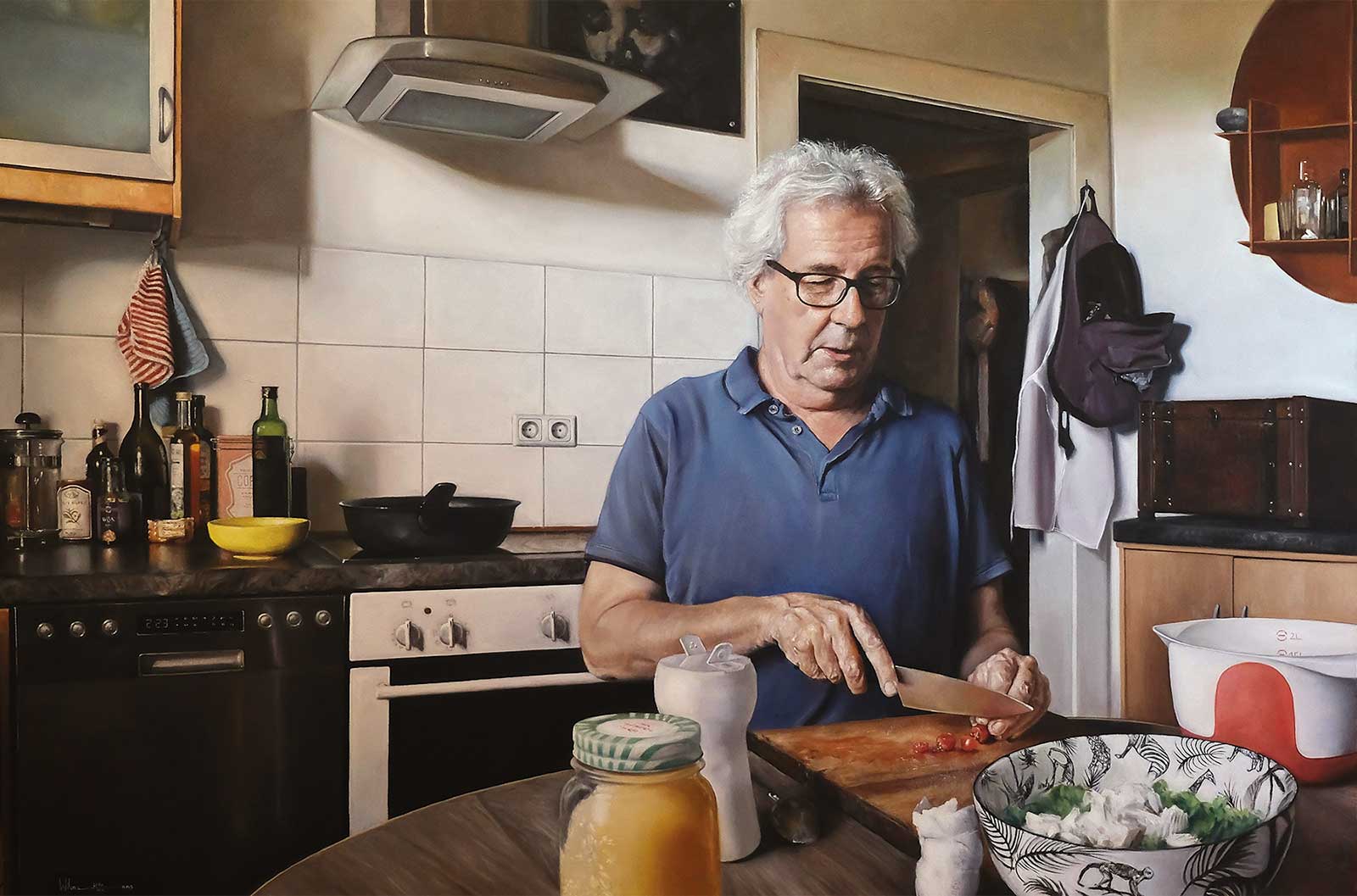
Fourth Place Winner: Cara Wilmanns, Dad, oil, 31 x 47" (78 x 119 cm)
Art schools, ateliers and institutions are beginning to recognize this trend, adapting their curricula to include both traditional techniques and modern practices. Programs that emphasize the importance of foundational skills while also providing exposure to contemporary methodologies are becoming more prevalent. This shift not only meets the demands of the current art market, but also honors the timeless principles that have long been the bedrock of artistic expression.
The craving for traditional training among young artists today reflects a broader search for authenticity and mastery in an increasingly complex and fast-paced artistic environment. While digital tools and platforms have transformed the way art is created and consumed, the desire for a solid foundation in traditional techniques remains strong. It’s easy to see that this year’s Future Generation award winners bridge the gap between classical training and contemporary practices. Young artists can and will cultivate their unique voices while honoring the rich history of art. In this synthesis lies the potential for a vibrant and dynamic future for the arts, one that respects the past while boldly embracing the innovations of the present.
Sincerely,
Michael Shane Neal
Chairman