

So you have made some great pieces of art, and you are ready to show them to the world and hopefully sell them. In this month’s article, I’m going to cover some of the ballpark costs that add up in running your art business. We generally tend to track and look at what it costs per year to be in the art business. There are many monthly fees associated with running this type of business, as well as your supply costs. My aim here is to give you a general idea of some of the costs associated with running an art business as a sole proprietor working from a home studio. This article is written assuming you do not own a brick and mortar gallery and excludes the associated costs with a live gallery. Remember all of these costs are “write off’s” at the end of the year on your schedule C if you are a sole proprietor and can be deducted as the costs of running your business if you keep all your receipts and track the costs well.
Art Supplies
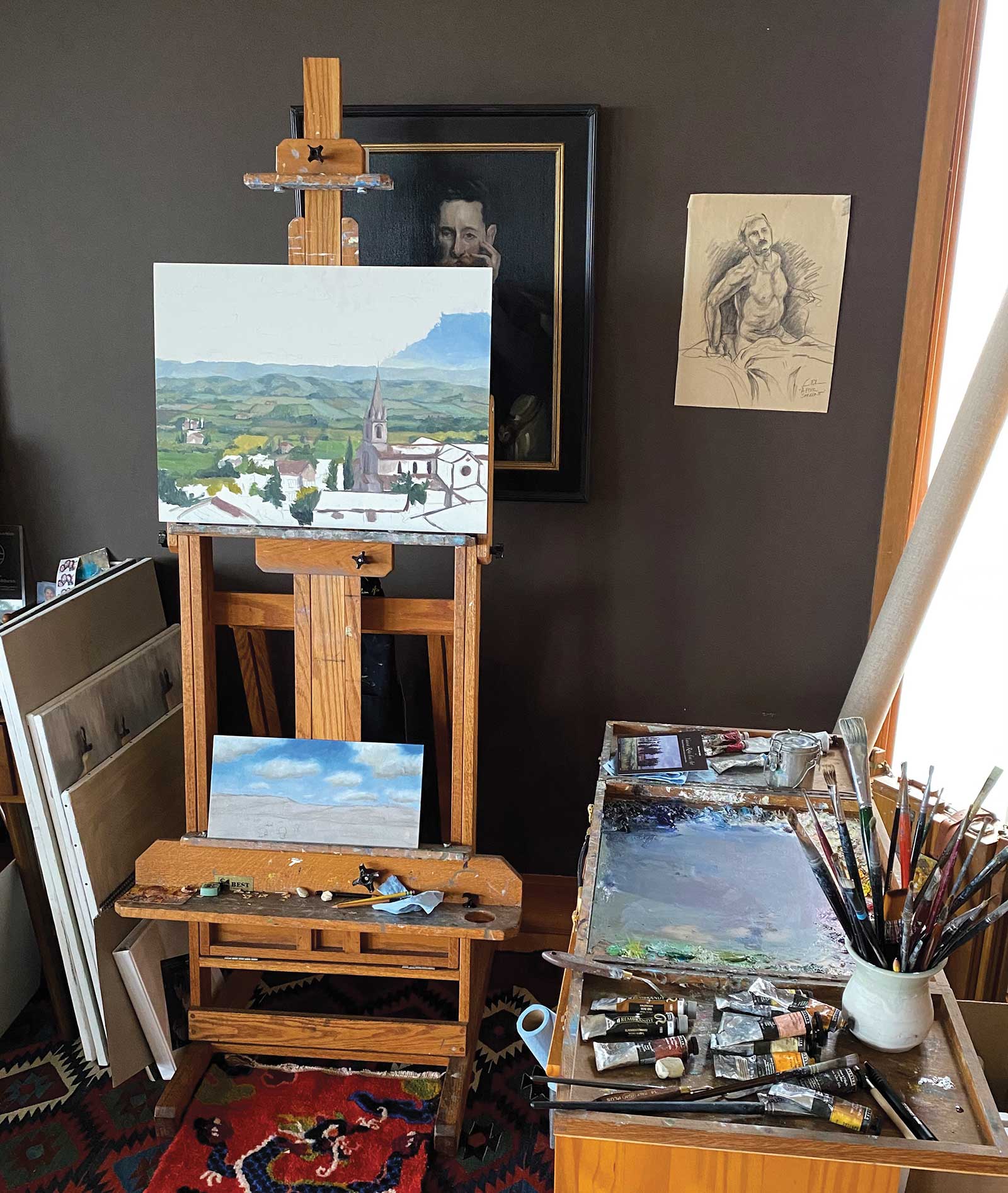
Everyone knows art supplies are not cheap. Depending on the medium you paint with, costs can differ slightly. Oils tend to be the most expensive colors, running from $12 to $60 per tube, along with thinners for $25 and varnish that can cost $50 to $100. Canvas or linen is also costly. Professional quality wrapped ¾" canvas at 16 by 20" runs about $20 each. Raymar panels with high quality linen can run $15 to $50 each and are some of the finest out there. Brushes run from $6 to $60 each. Watercolors tend to be the least costly for materials as you can buy a pan set that lasts a while. Tubes can cost $15 to $30 each, but don’t forget that watercolors will cost more to frame, needing mat and glass. Typically you will need to plan out your estimated quarterly need for art supplies. How many works will you make in three months? How many canvases, how much paint? You can look at your last year receipts and total up your costs.
Online Presence
Websites are still very important in the world of art. Most collectors I know and have worked with like to go to an artist’s website to view their work and learn more about them. You need to buy and own your domain name, which is about $15 to $45 a year depending on if you want just the .com or .net, etc. Hosting is the monthly fee you pay for a web company to host your site. I don’t recommend the free ones that have ads as your clients may not see it as professional. Monthly hosting should cost about $20 to $45 a month. I personally like Weebly as it’s easy to use, even for beginners.
Social Media
Luckily social media is mainly free and can be a great source of advertising and marketing for you and your art brand. The two most widely known ones are Instagram and Facebook. Be sure you keep posting about your artwork and don’t forget you can message with clients directly.
Online Selling Platforms
In one of my last Art Industry Insiders, I talked about the different online platforms available out there to show and sell your work such as Saatchi Art, Fine Art America and Artsy. Each has its own benefits, and the important thing is to find the right one that fits your type of work. These can run from $100 a month to $700 on some sites. Most seem to sit around $150 to $200 a month. This may seem high, but keep in mind they may reach clients that you cannot, and they are much less expensive than running an actual gallery. Make sure you research all aspects of each company and decide if they are right for you.
Square
This is the gold standard for artists who run their own business. This is your POS, or point of sale, to accept credit cards and payments. Go to square.com and sign up for a small business account, noting that you are selling items. They offer a flat fee service of approximately 2.6 plus 10 cents for every sale run through them. No long term contracts are required. You can customize and send digital invoices and receipts. The funds are wired over to the account you set up. Easy peasy, lemon squeezy. PayPal is another handy way to be paid and is good for clients you trust. This would be in addition to having a square account as you will always want to be able to take credit cards. PayPal has similar fees to Square.
Inventory
Tracking your inventory with images and information for each work can be done online. I recommend Artwork Archive as an excellent artwork inventory program. At approximately $20 to $25 a month, this program has many great aspects that help you run your business. You can see which gallery or show each work is in, track show entries, create reports or print labels for your works. Personally I love this program and enjoy creating fun digital catalogs of work specific to a collection to send to clients.
TIP! It’s smart to save any flat art-shaped Amazon box and store it in your garage to send out work to shows or clients.
Print or Digital Ads
In addition to having a website and posting on social media, you may want to do some sort of advertising. If you feel that print and digital art magazines might be a good idea, you can reach out to many available magazines (including International Artist) and take out an ad. Depending on the quality of the magazine and its reach, a full page ad can run between $2,500 and $3,000 a page, where a half page can be around $1,500. Smaller sections in magazines for a quarter page can run $500 to $800. Don’t forget that digital campaigns with these same companies can also reach your collectors and can be less expensive. The sales team would be the ones to help you create a strategy to reach your buyers.
Art Organizations and Shows
These are important organizations you can belong to in order to show and sell your work. Annual memberships can cost $50 to $100 a year. Oil painters of America and Pastel Society of America are some that come to mind. Each offers great selling opportunities in their annual shows either online or at various venues. Applying to online art shows can cost from $45 to $80 a show.
Shipping
Shipping costs are high. Usually with artwork valued at over $500 you will want to use FedEx or UPS to be sure it will arrive safely. You will need to plan to include the cost of insurance on your works that have sold and are going to clients. Don’t forget to include packaging costs, boxes, bubble wrap, tape, etc. in your cost planning.
Other general operation costs include: office supplies, your business license in your town where your studio resides, an accountant if necessary, a bank account and fees, printed checks and so on. Don’t forget you will need to file annual or quarterly sales taxes as well.
Total up all these monthly/yearly costs and you will have an idea of what it costs to run your business. I hope this gives you a general idea of some of the costs associated with running an art business as a sole proprietor. I will continue to break down some of these sections in upcoming articles and help you along your creative journey. —