Many of us within the intimate yet vast circle of the art world have heard of Dr. Elaine Melotti Schmidt and Steven Alan Bennett. The former is a lifelong educator with a passion for helping those in need, and the latter is a philanthropist and corporate attorney. But within our worldly little sphere of art, the couple is likely best known for their monumental art collection.
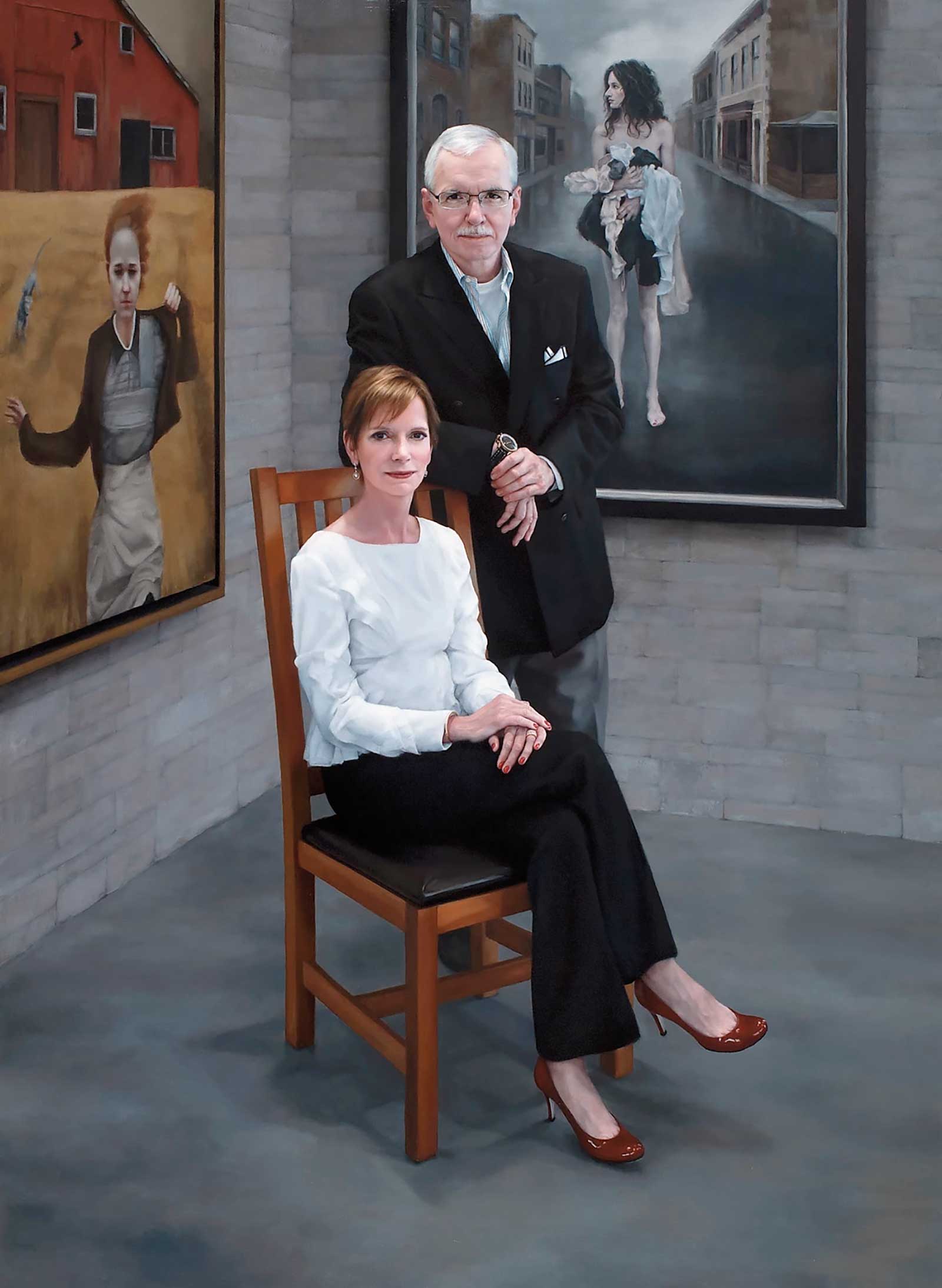
Katie O’Hagan, Portrait of the Collectors, 2016, oil on canvas, 78 x 58" (198 x 147 cm). Courtesy The Bennett Collection.
About 15 years ago, they started collecting art but with a caveat. All of the pieces in their collection must fall under the realm of figurative realism, and all of it must be paintings of women by women. What has now grown into the illustrious Bennett Collection, it features paintings from across the world as far back as the 16th century with the first-known female Renaissance painter Plautilla Nelli’s Saint Catherine of Siena, as well as Sarah Miriam Peale’s Mother and Child from around 1848 and Mary Cassatt’s Portrait of Madam Sisley painted in 1873. The collection also houses the works of 20th-century artists like Agnes Martin, Sally Michel and Elaine de Kooning, all the way up to some of the most talented women artists working today—Anna Wypych, Margaret Bowland, Jennifer Gennari, Terry Strickland, Mary Jane Ansell, Andrea Kowch and many others.
“Women painting women is the heart and soul of it,” says Schmidt. “Fifteen years ago, [that concept] hadn’t quite caught on yet…We thought women were doing work every bit as good as the men but weren’t being collected as aggressively…Now, of course, it’s a different story.” Schmidt explains that when they first started the collection in 2009, they focused on collecting the work of living women painters, most of whom nobody had ever heard of. “We tried to get to know the artists who were in the collection, and not just as artists, but as individuals. Frankly, I believe we know all the living artists in our collection well enough to call them by name. [Many of them] were single moms trying to hold down a job and paint, or somebody who had two or three jobs and was trying to squeeze in painting somewhere within the 9 to 5.”
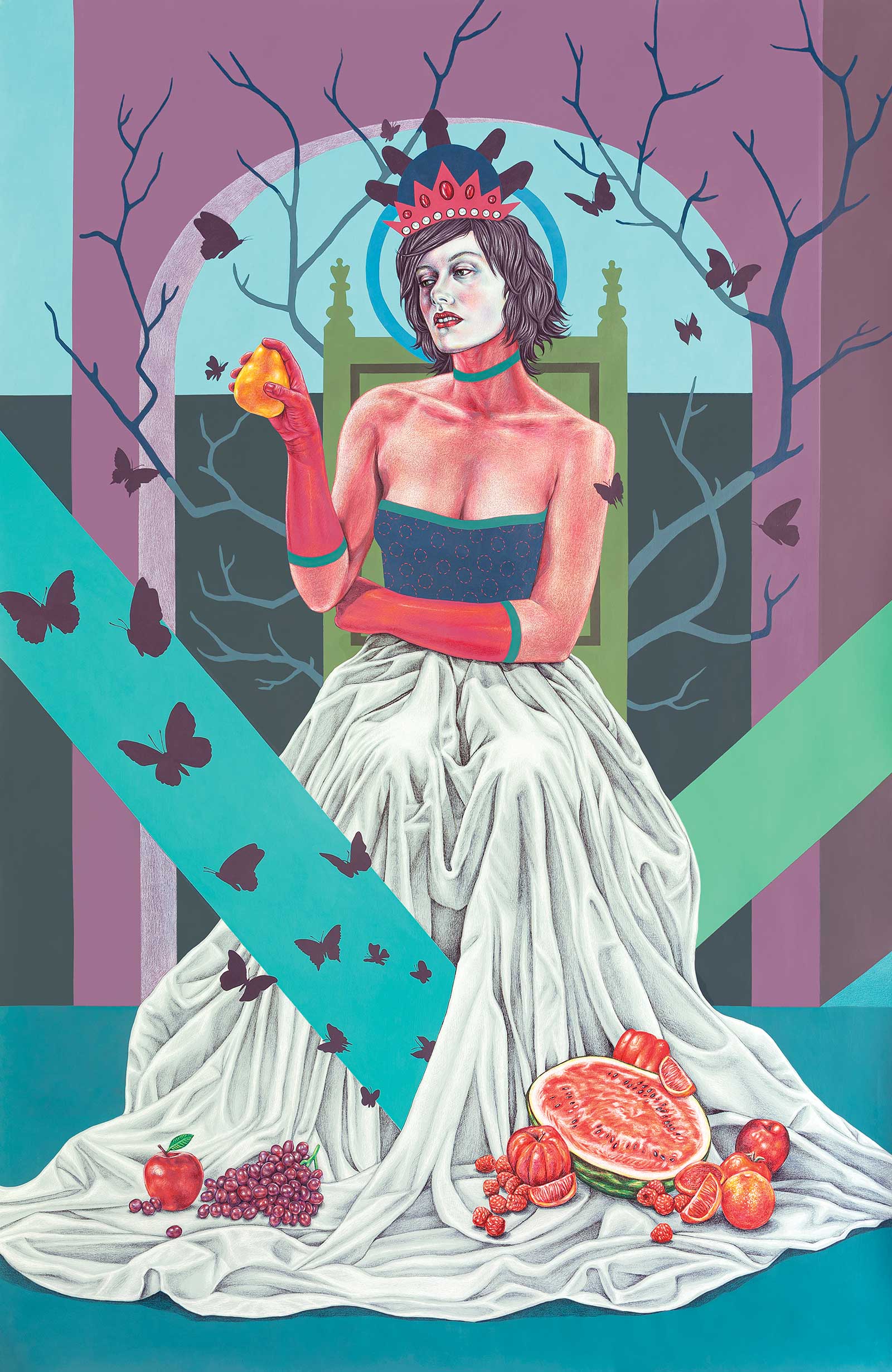
Aneka Ingold, Fecundity, mixed media on paper, 2021, 74 x 48" (187 x 121 cm) Courtesy the artist.
It was at that point Bennett and Schmidt decided they wanted to do something more. And from there began the concept for the Bennett Prize. “We wanted to showcase figurative realism and give a platform to young women painters who had not achieved full professional recognition in their painting careers so other collectors, museums, art galleries and art dealers could see what was being created by this wonderful group of artists,” says Bennett.
Officially established in 2018, the Bennett Prize awards $50,000 to the winning artist, as well as major recognition for the nine other finalists. It’s an opportunity for artists with the passion and the technical skill to put their names on the map—a chance to place one’s work in front of major players in the industry and open doors to further career growth.
“All of the artists have had some degree of boost to their professional careers,” says Bennett. But he’s unfailingly humble, adding, “I like to think these women would have been successful no matter what happened. But one thing we have discovered now that we’re entering the fourth iteration of the prize, I think collectors, dealers and museums to varying degrees are watching who’s being honored. Because the work being created by these women is really terrific. It’s a way for these women who are doing really terrific figurative work to find themselves at the forefront of recognition.”
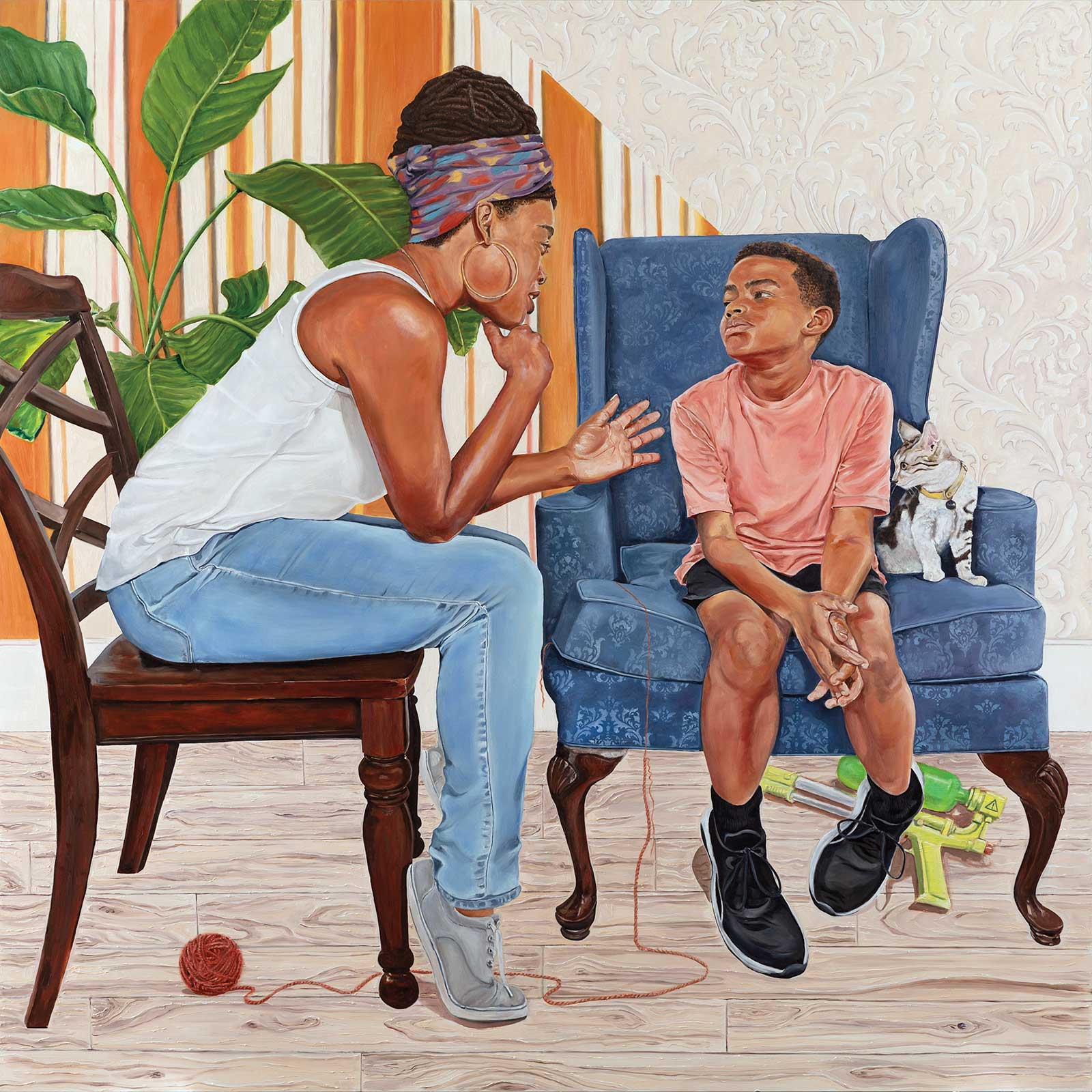
Ayana Ross, Facts, oil on aluminum panel, 2022, 72 x 72" (182 x 182 cm). Photography by Deborah Whitlaw Llewellyn.
Winners of the Bennett Prize are also able to utilize that $50,000 grand prize to create their own solo exhibition of figurative realist paintings, which then travels to multiple museums across the country. “Our goal with the prize money is to enable people to have a supplement to their income so they can spend more time on their painting,” Bennett explains.
The inaugural round of the Bennett Prize, which took place in 2019, named the highly imaginative mixed media artist Aneka Ingold as its very first winner. (Readers can dive into a demonstration from Ingold in the February/March 2023 issue of International Artist). “The recognition has given me more confidence in what I do and motivated me to talk more openly about my work and take more risks with my work,” Ingold says of the impact the prize has made on her life. “The conversations and interviews about my art keep me thinking and growing. I have so many new ideas and ambitions with my career. I believe it’s just the beginning of change for me.”
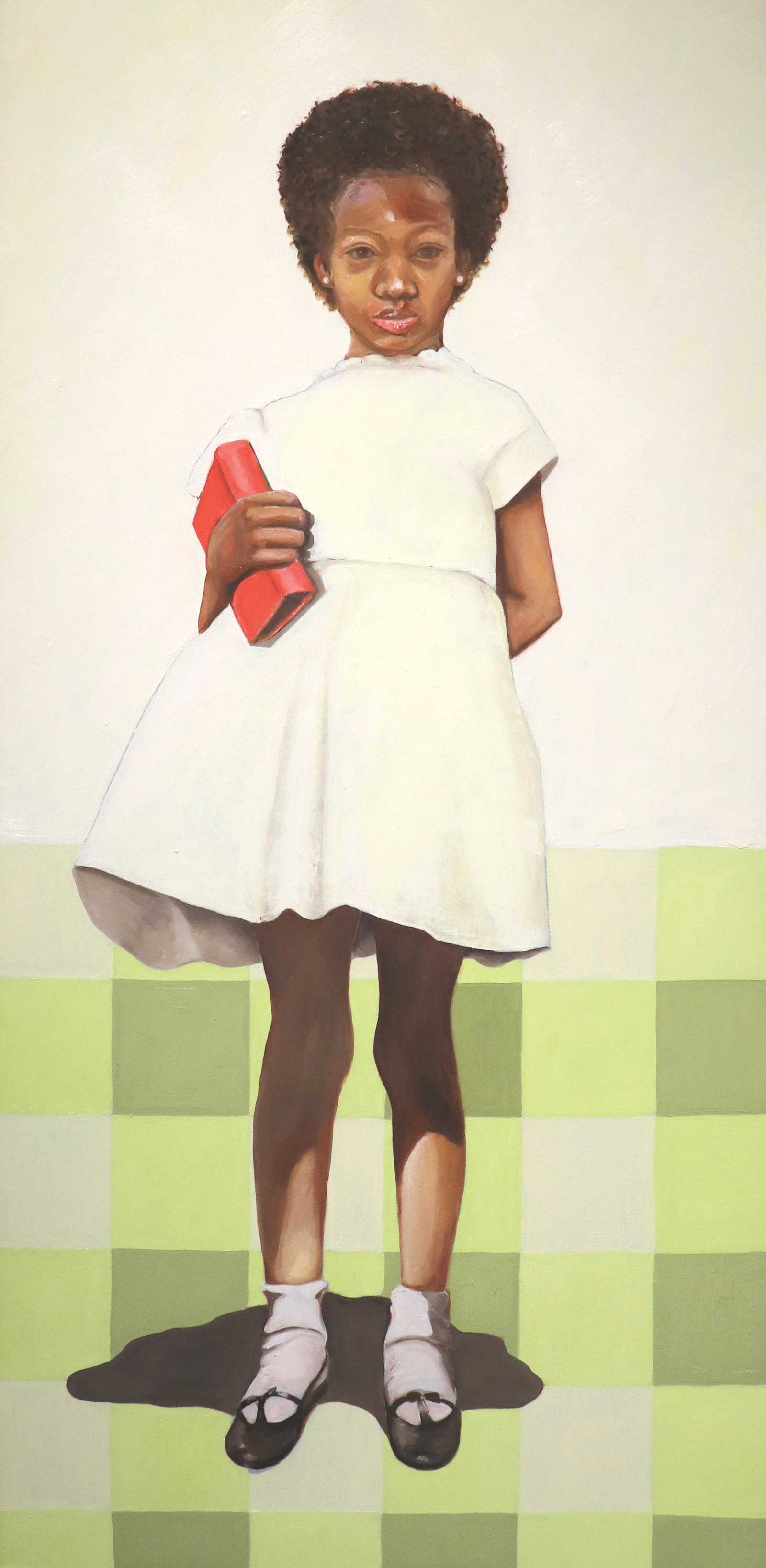
Ayana Ross, She Who Knows, Knows, oil on canvas, 2022, 48 x 24" (121 x 60 cm). Photography by Deborah Whitlaw Llewellyn.
Round 2 winner Ayana Ross, based in Georgia, uses traditional oil painting methods to explore themes of race, equity and identity while capturing moments of daily life. “Winning the Bennett Prize had a significant impact on my career and practice. It has enabled my art to be more visible on a broader scale and elevated me to a different playing field,” says Ross. “This has been especially important for getting my work into the right spaces so that I can continue to tell the stories that need to be told.”
Bennett adds, “[Ross] has just blossomed in a variety of ways. She’s been granted a fellowship at Yale [and] her work is now highly sought-after and is doing so well…She’s just taken off like a rocket.”
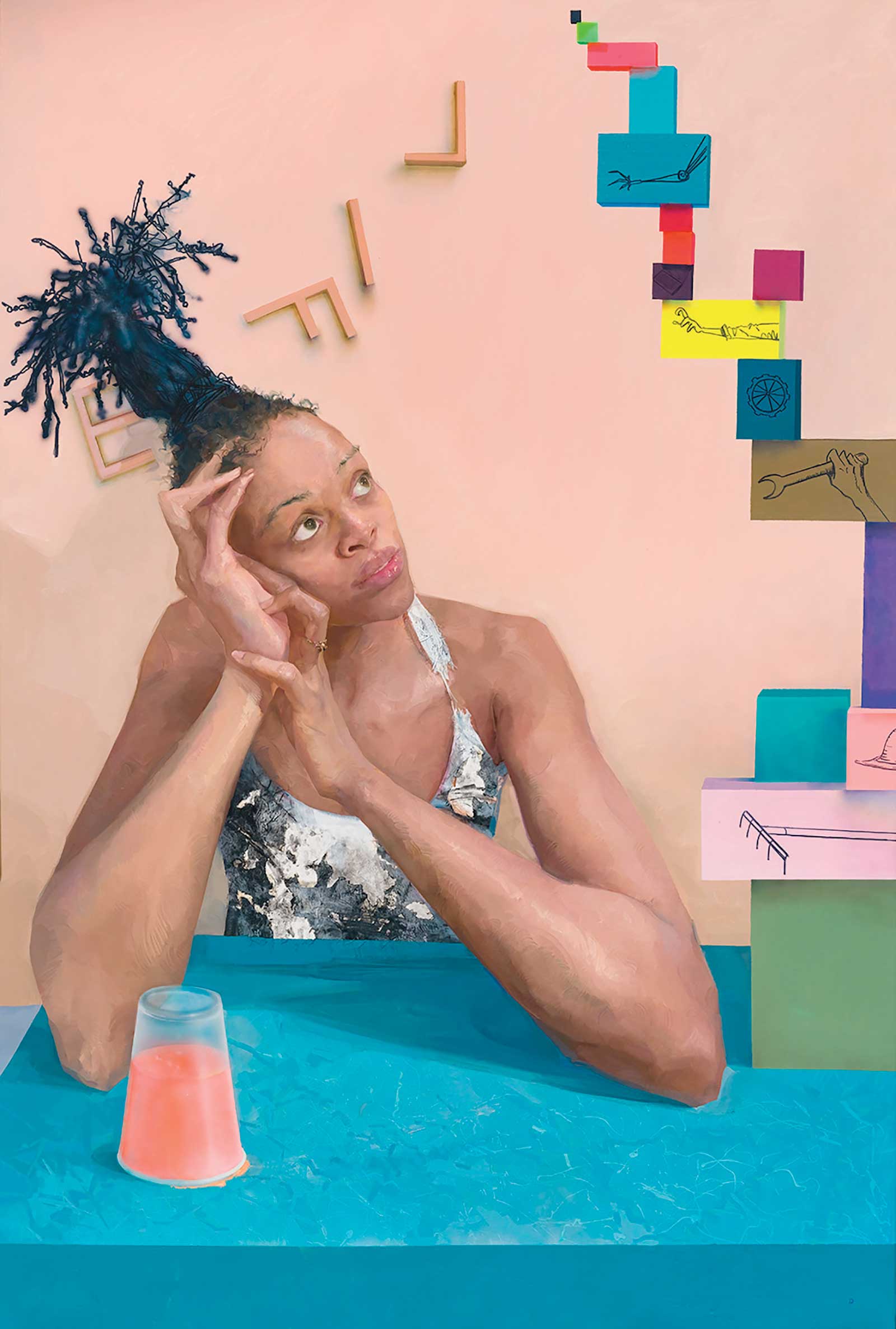
Shiqing Deng, LIFE, oil on linen, 2021, 66 x 44" (167 x 111 cm). Courtesy the Muskegon Museum of Art.
Shiqing Deng, a native of China, was the winner of Round 3 in 2023. This was also the round that introduced the Dr. Elaine Melotti Schmidt Prize for Achievement in Figurative Realism, a $10,000 cash prize that was awarded to long-time painter Ruth Dealy.
“[Deng] is an example of ‘if at first you don’t succeed, try again,’” Bennett says. She was an honorable mention for Bennett Prize 1, and then entered again and won Bennett Prize 3.
He also references Chinese painter Su Su, a Round 2 finalist who is now heavily collected, with artwork in the de la Cruz Collection in Miami, Florida.
There are just a few parameters for entering the competition, which takes place every two years: artists must be a woman or identify as a woman, they must paint figurative realism and they can’t have sold a painting for $25,000 or more. “Our goal was to make sure people who are already ‘successful’ artists aren’t in a position to participate to the same extent as people still trying to establish their careers,” Bennett adds. The other parameter involves residing within the United States. The official Bennett Prize website states: “Competitors must reside in the United States for at least part of the year. To maintain eligibility for The Prize, finalists must submit work for exhibition that will ship from within the United States and not transfer through U.S. Customs…Applicants do not need to be U.S. citizens, all legal residents are welcome to apply.” Bennett explains that the majority of this reasoning is due to the immense difficulties of transporting artwork through customs. Anyone interested in applying for the prize should visit the complete rules and FAQ pages for more detailed descriptions of the entry requirements.
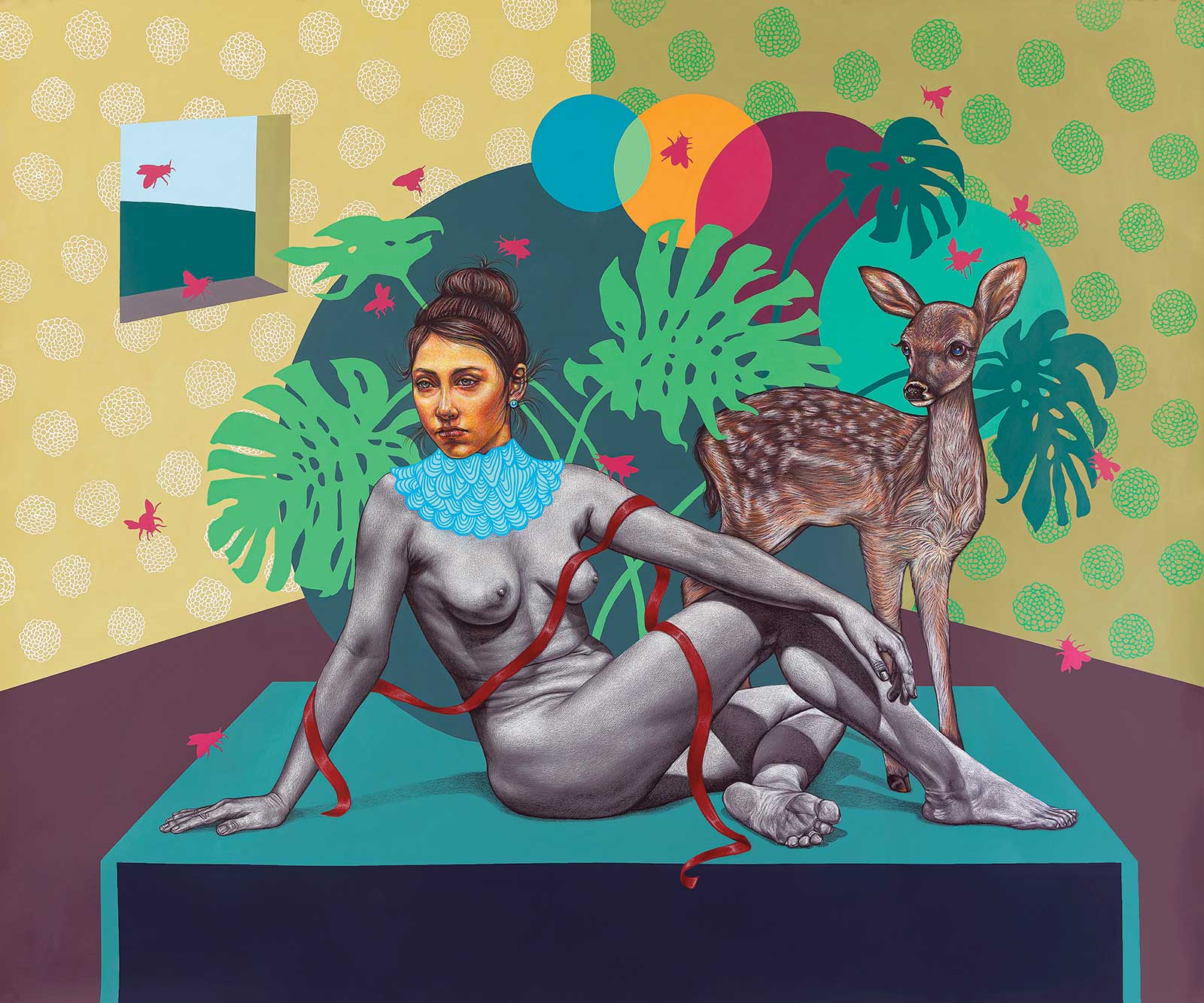
Aneka Ingold, Live and Let Live, mixed media on paper, 2019, 48 x 58" (121 x 147 cm). Courtesy the artist.
Based on the trajectory of growth in submissions over the years, Bennett anticipates up to 1,000 entries this time around. “What is interesting to us is, it’s reflective of the vast amount of interest and commitment to figurative painting by women in a way that I don’t think has ever been fully understood before,” he says. “There are a lot of great women laboring out there essentially in obscurity who are putting it out there to participate in the Bennett Prize competition. So it’s very exciting to us that there is interest of this magnitude, and it says something about this community of painters that we have such a massive commitment to the genre as well as to the prize itself.”
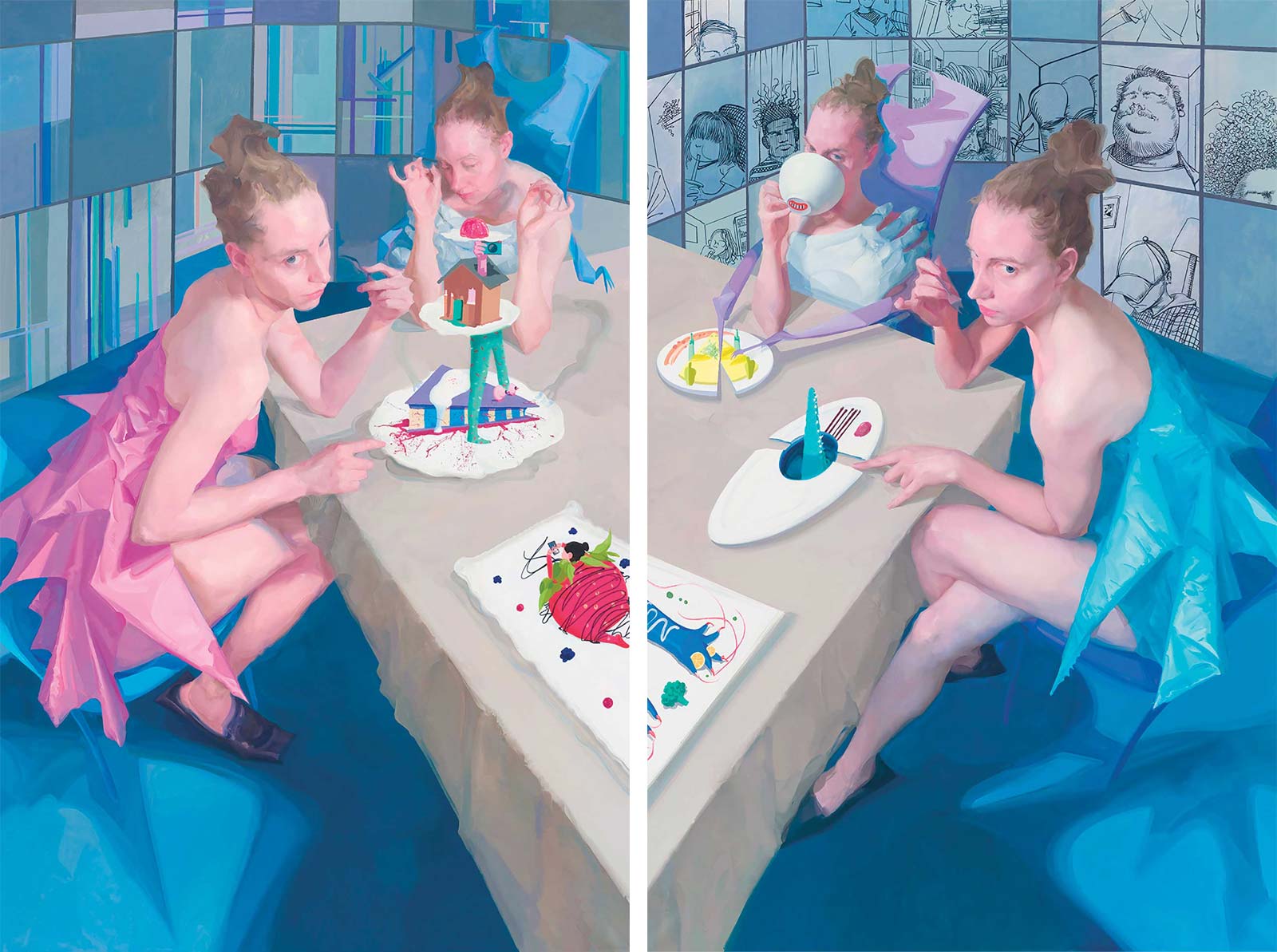
Shiqing Deng, ASMR (diptych), oil on linen, 2020, 44 x 66 x 2" (111 x 167 x 5 cm)
Bennett also emphasizes that previous applicants who weren’t named finalists shouldn’t be discouraged. “Every year, the jury is different,” he says. Each iteration of the competition has a four-person jury composed of two practicing artists, a museum professional and either Dr. Schmidt or Bennett. “I think everybody who participates will feel like they’re in good hands with a very qualified group of jurors,” he says. Other women artists have been jurors in past years, including Andrea Kowch, Julie Bell, Alyssa Monks, Katie O’Hagan, Zoey Frank and Maria Tomasula. —
Call for entries for Round 4 opens on April 15 and closes at 11:59 p.m. MST on October 4. Finalists will be notified in November and announced to the public in December. For more information, visit thebennettprize.org.