It is always my first glance at a scene that I remember most and try to capture in a personal and beautiful way through my paintings. My landscapes are most often about the Midwest and the Southwest, places I am very familiar with, having lived in Michigan, Arizona and Colorado. Sunsets, sandy beaches, rolling farmlands, wild flower fields, gorgeous mountains, rocky hillsides, flowers, and the desert are natural landscapes I love to express in my own way on canvas.
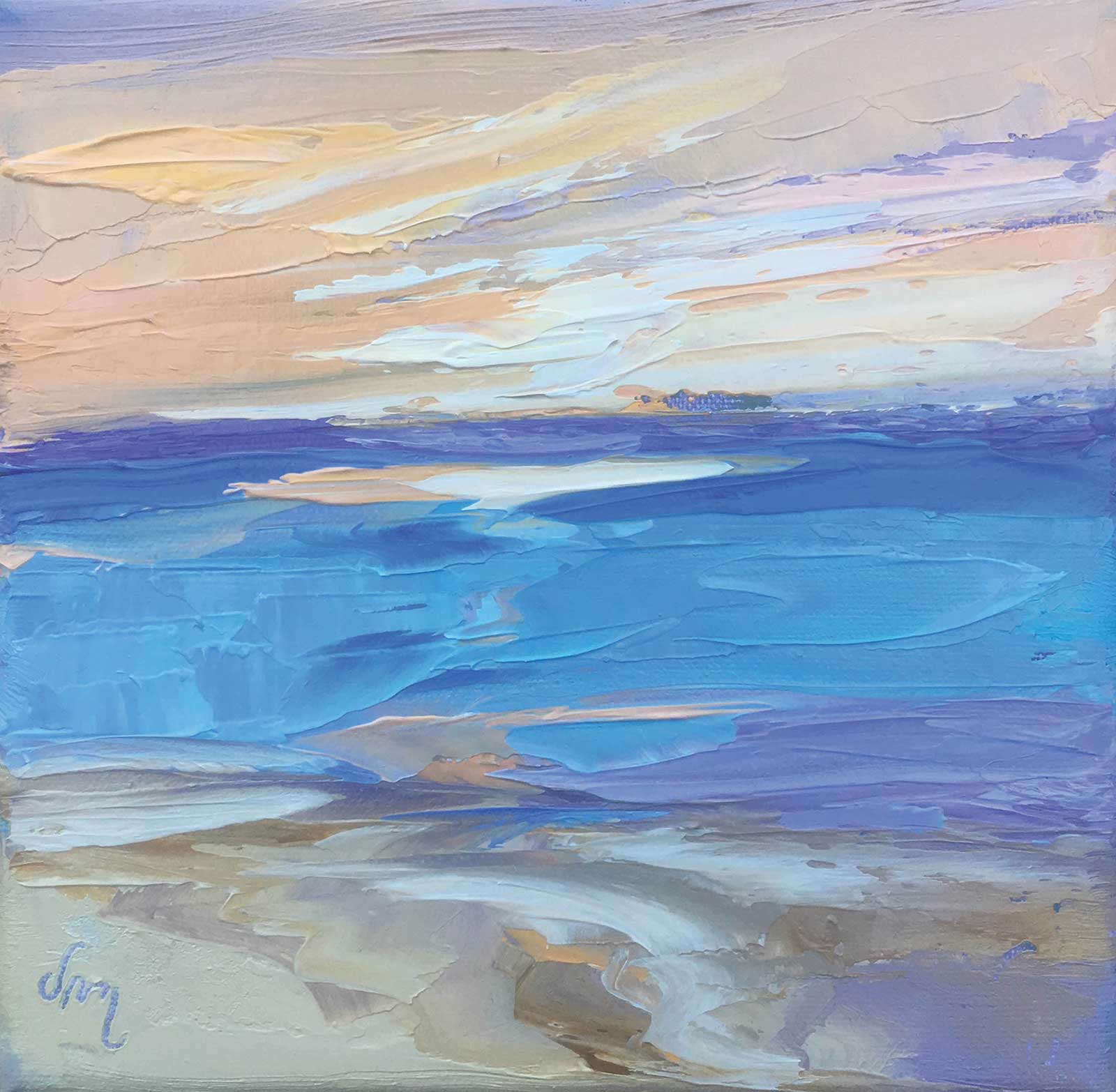
A Summer Evening, oil, 6 x 6" (15 x 15 cm) A simple sunset celebrating the paint and the smooth strokes of the palette knife.
A variety of simple, yet strong shapes work to weave my compositions together and help me navigate through a painting toward completion. Because shapes can so powerfully move the eye through the picture plane, their balance and interaction in the structure of a painting make a very important difference in the overall impact and viewer enjoyment of a finished work.
Color and texture are the elements I use to expressively unify the simple major shapes I have established for a painting. As to my painting style, what I look forward to the most are the surprises that come from not initially planning details for each work, but letting a painting evolve as I work beyond the major shapes.
My palette of colors for each painting is fairly limited, and I choose each palette from a larger selection of colors. Beautiful color harmony is very important to me, and using a limited palette is how I bring that harmony to my paintings. I painted with watercolor for ten years before I began painting with oils, and it was in learning about color harmony using watercolor that I came to appreciate the beautiful flow and unity that it can create. For the darkest colors of any given palette, I mix my own darkest shades and grays from those colors and follow the dark to light traditional method for layering oils, with some breaking of that rule as necessary for finishing a particular area.
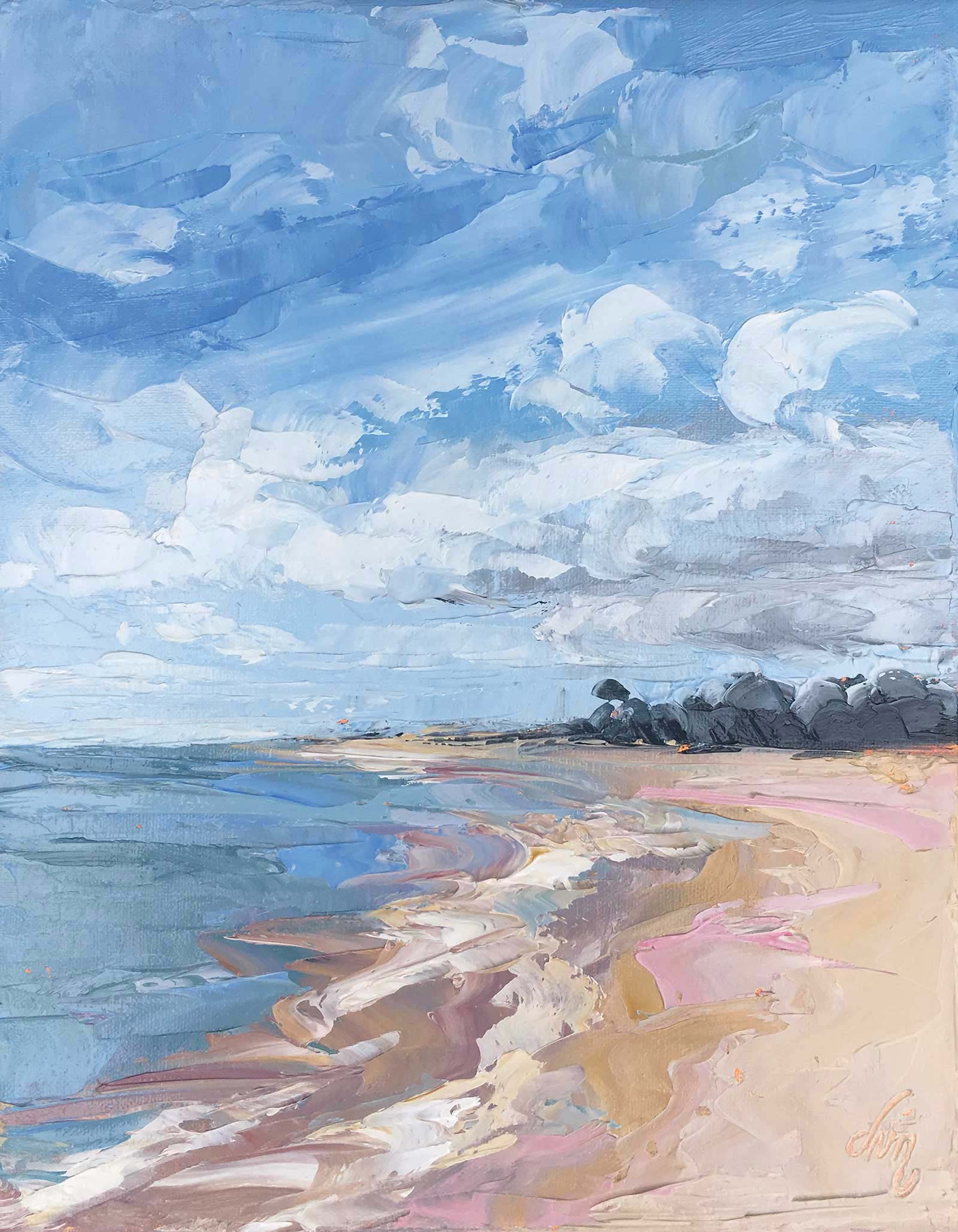
A Beach Story, oil, 10 x 8" (25 x 20 cm) Each day at the beach tells a new story. Textures, dynamic shapes and values bring a soft unity to this painting.
My painting tool is the palette knife, used in an alla prima method working wet on wet as I typically work from top to bottom, touching the applied paint strokes as little as possible to retain bright, clear colors and lovely strokes from the palette knife. From the first stroke of my palette knife on each painting, the beauty of the paint becomes a wordless visual story I enjoy very much.
Primarily a landscape painter, I always use a visual reference for my paintings, which is a photo that I have taken, or if painting plein air, the scene before me. I have learned to take my photos carefully, planning for good composition from the start and by focusing on what captures my attention from my first glance at the landscape. The same is true if I am taking photo references for flowers or animals. I begin my paintings with a simple rough sketch on a transparently hued canvas that establishes an underlying unity and an opportunity for that hue to peek through later. Then on my paper palette I mix paint “piles” of the main colors I will use, which can then be further blended in tone or tint for transitional passages in the painting. Creating a sense of movement with value changes, my palette knife strokes and the shapes I established at the beginning keep the eye moving through the composition. I strive for a dynamic sense of balance throughout each of my paintings.
My Art in the Making Summer Rain
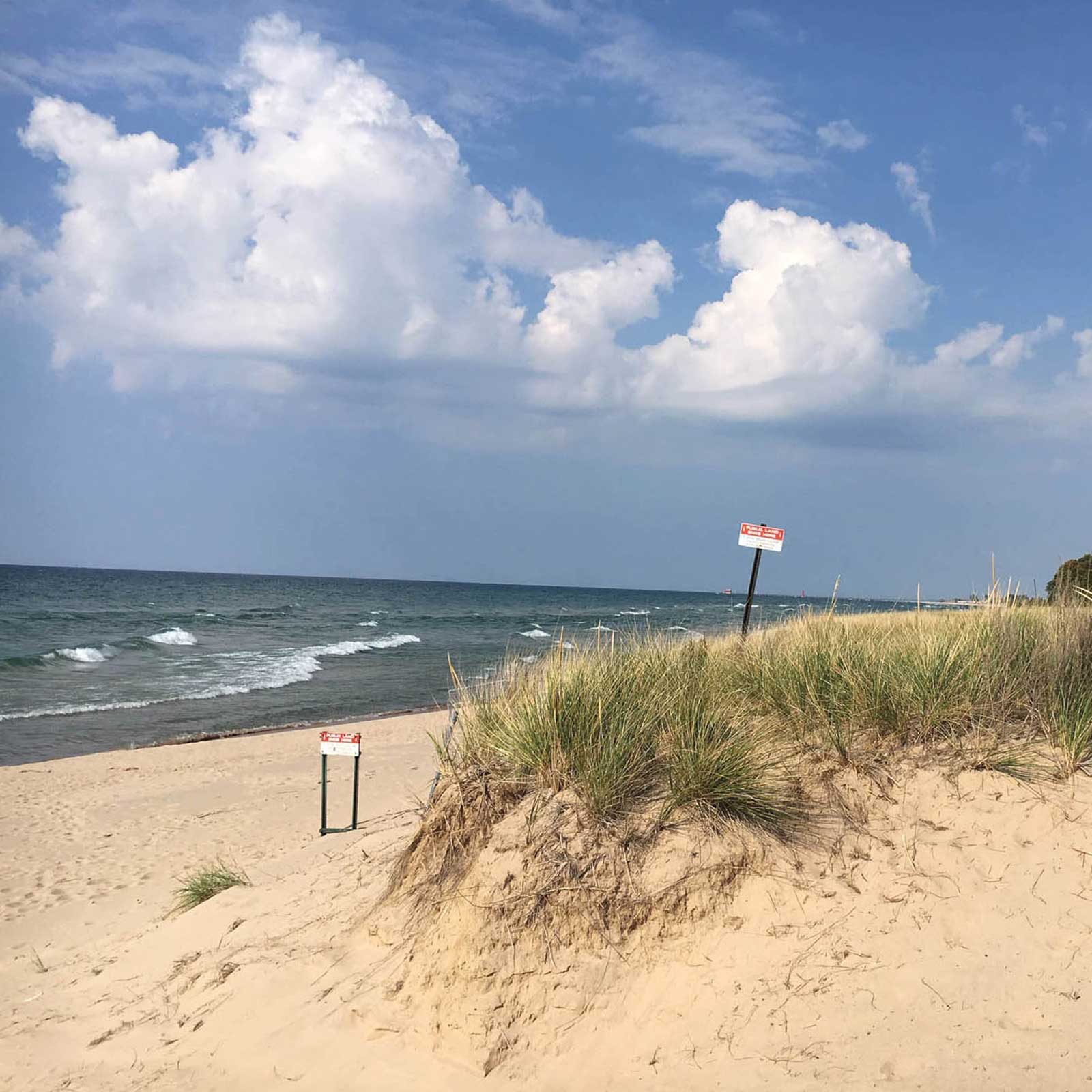 Photo reference
In painting Summer Rain, I wanted to capture the spacious shoreline, cloud-filled sky and water of Lake Michigan in the dramatic, yet very peaceful scene I saw on the beach that day. The contrast of the billowing clouds dropping a silent rainfall over the water in the distance, the natural movement of the shoreline and the viewpoint looking over the dune offered a wonderful contrast of scale, distance, textured foreground and rich color. Knowing the clouds were going to be such a powerful part of this painting, I started with them and the intensified color of the sky. Then I moved on to the horizon of land and water, followed by the distant dunes, the water as it came to shore and finally the grass covered dune that seemed to anchor the scene. I like to finish my paintings by saying less than I might have about a scene. I want the viewer to find their own actual or imagined experience aroused in such a way that they connect with the painted landscape in a uniquely personal way.
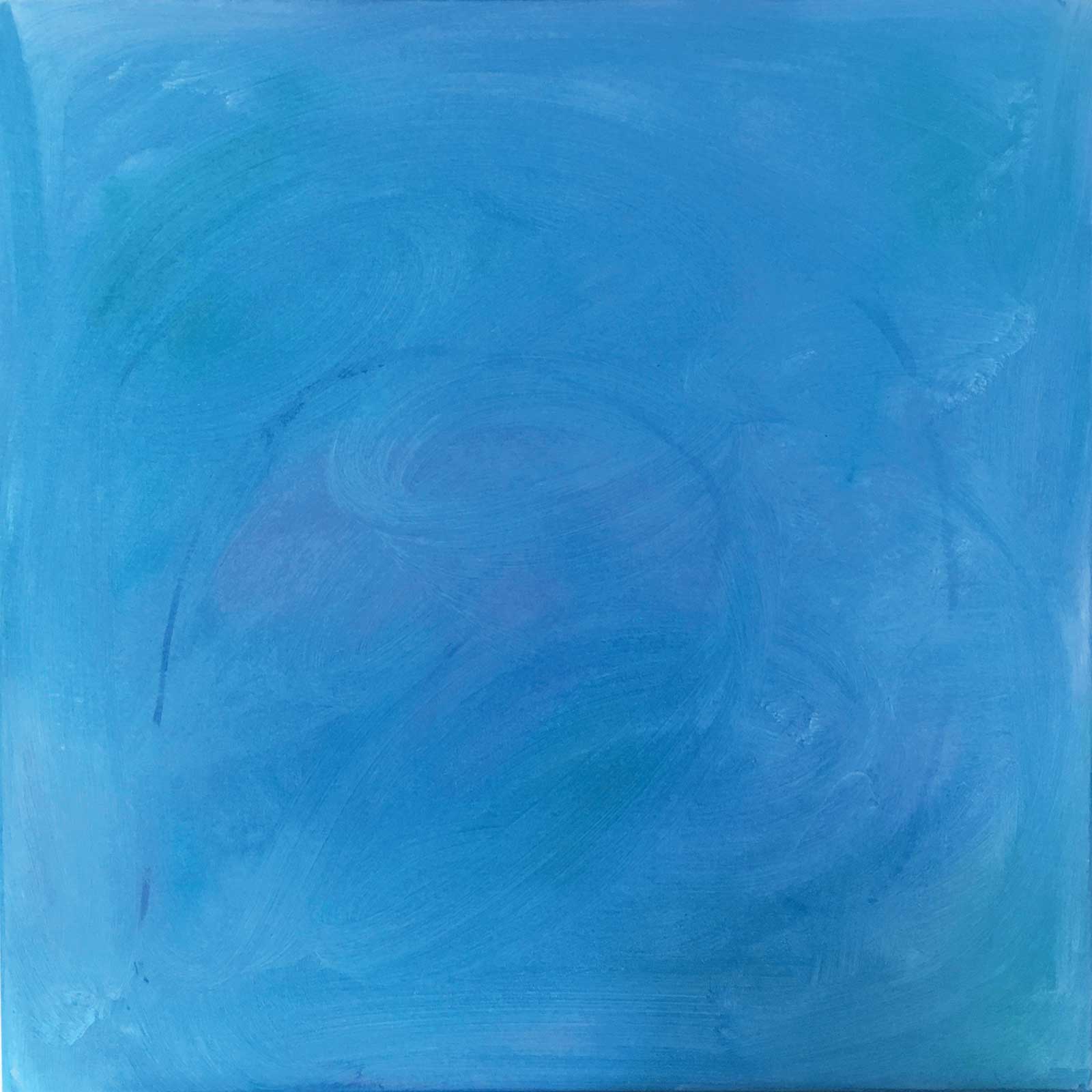 Stage 1
Stage 1 Toned Canvas
My oil-primed linen canvas was covered with a thinly wiped application of phthalo blue/red shade to establish a transparent underlying color unification to the composition.
WHAT THE ARTIST USED
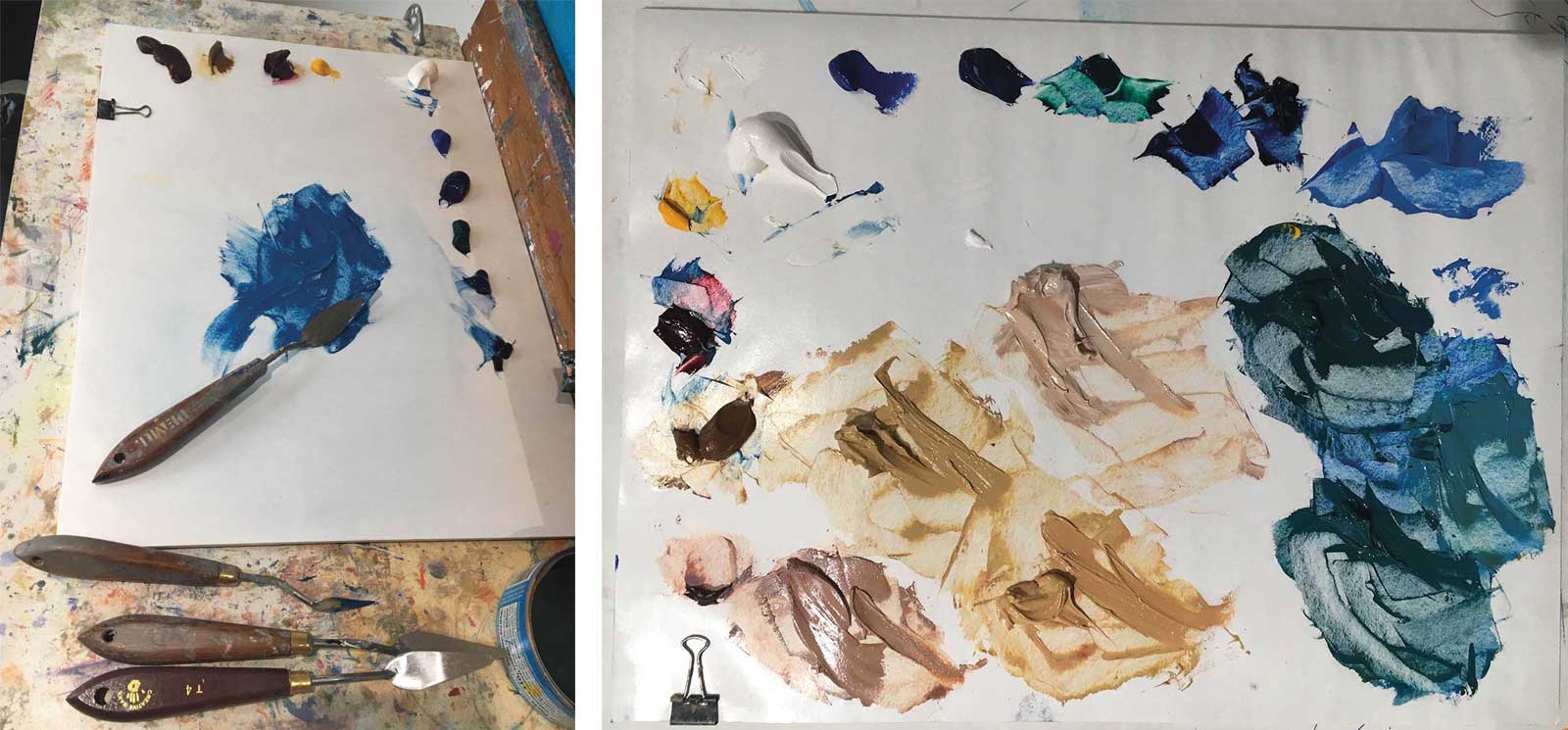 Winsor & Newton Water-Mixable Oils
French ultramarine blue, Prussian blue, Phthalo blue/red shade, Cadmium yellow medium, Raw sienna, Burnt sienna, Permanent alizarin crimson, Titanium white
Palette Knives
Painter’s Edge 2" blade, 4T trowel shape, 2 ½" blade, 7T trowel shape, 1 ¼" blade, 1T trowel shape
Additional Materials
24 x 24" oil-primed linen canvas, 1T trowel, Round oil brush, size 8, Flat brush ½", Disposable paper palette, Gamsol odorless solvent, Paper towels, Rags, Great Art gloves
 Stage 2
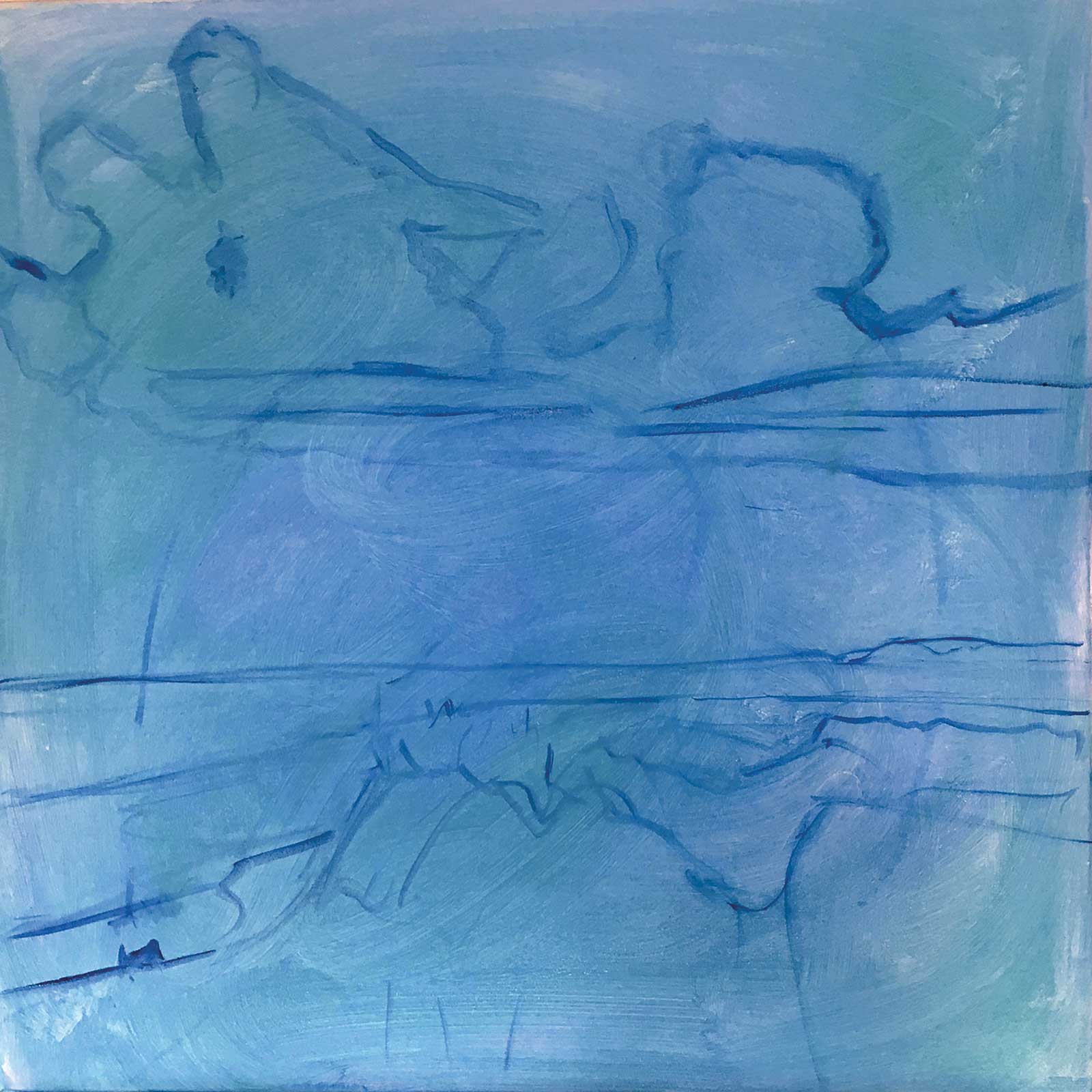
Stage 2 Outlining the Main Shapes
Instead of drawing a separate sketch, I begin using a brush to quickly draw in the main shapes I want to emphasize in the landscape and to use as a guide while painting.
 Stage 3
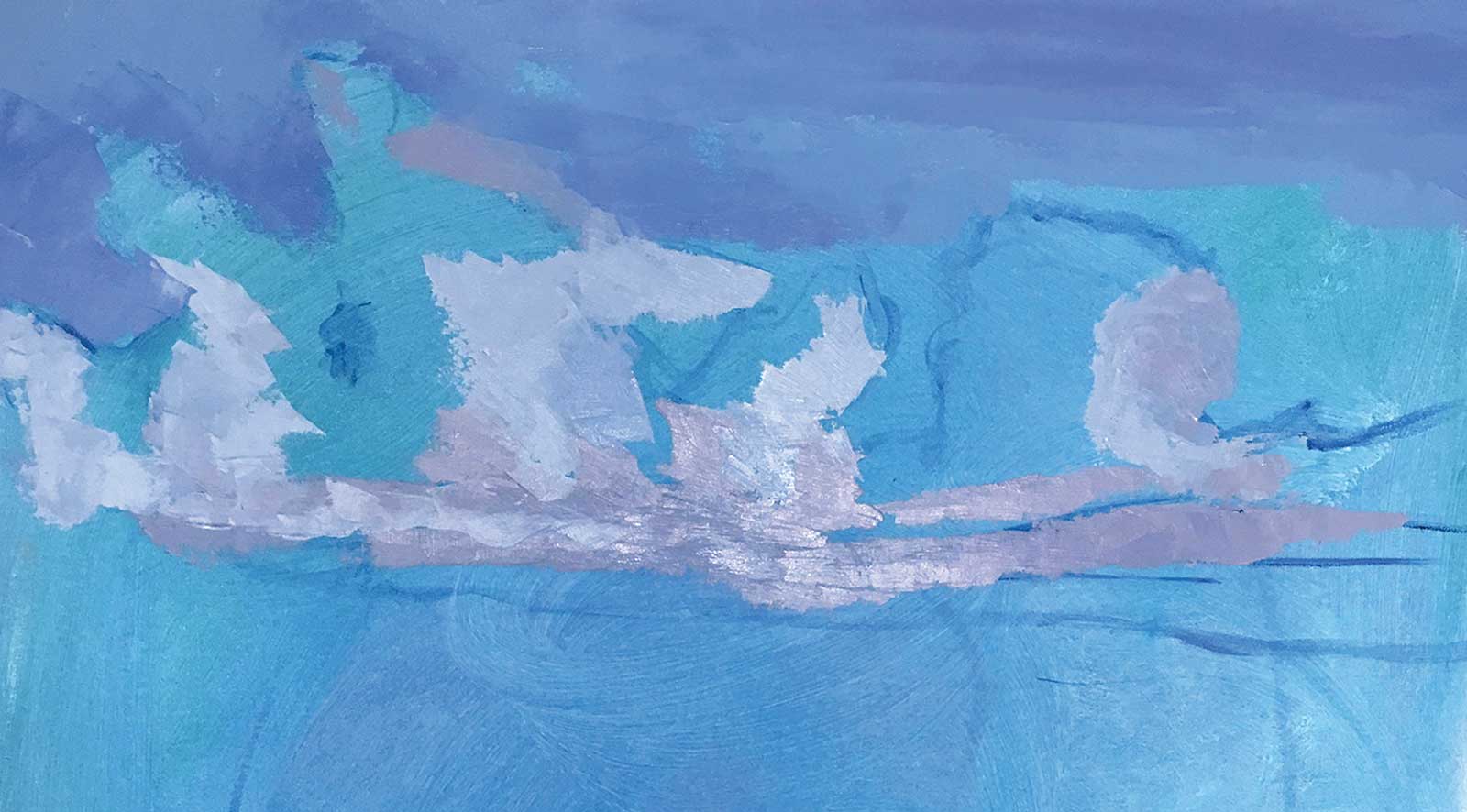
Stage 3 Establishing the Clouds
Now painting only with palette knives, I lay in cloud shapes with the darker hues of paint that begins my process of creating volume, creating shapes and applying value changes.
 Stage 4
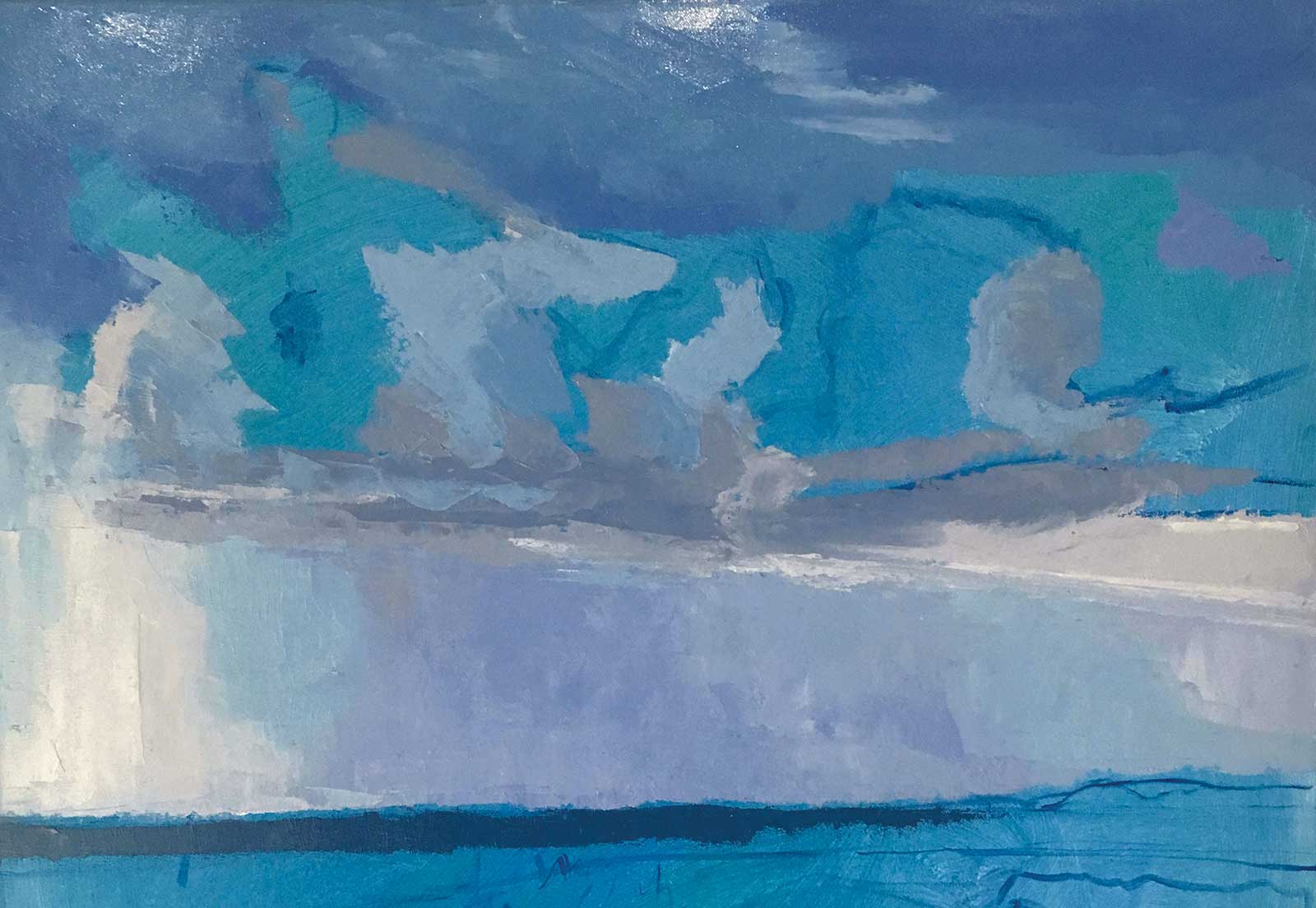
Stage 4 Laying in the Sky
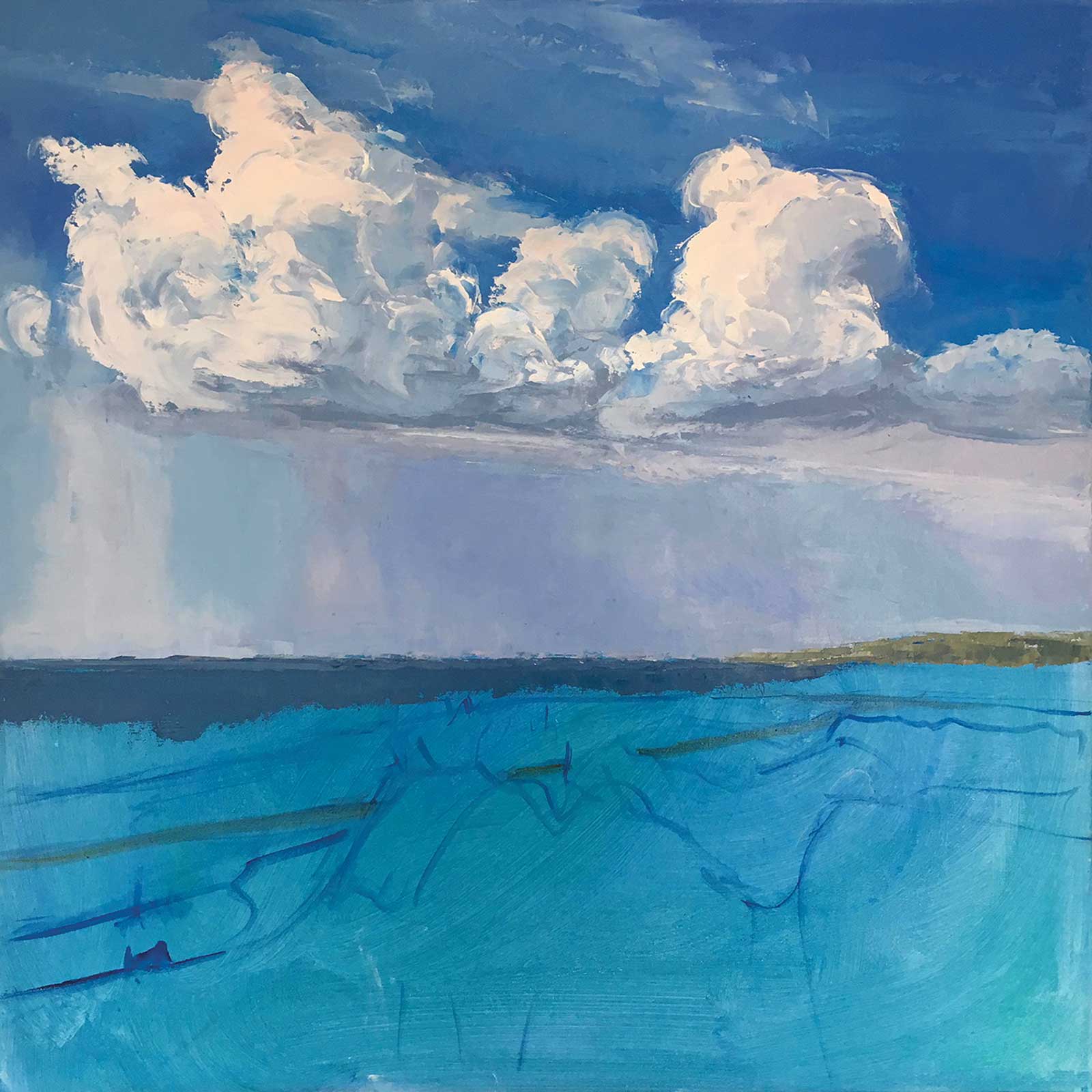
Laying in the sky under the billows of clouds where there is the impression of light rain falling in the distance helped me contrast mood, directional shapes and values.
 Stage 5
Stage 5 Water and Horizon
Here I continued work on the clouds, painted in the water, land and beach horizon line to give reference for further work on painting the entire surface of the water and distant dunes.
 Stage 6
Stage 6 Detail of Cloud
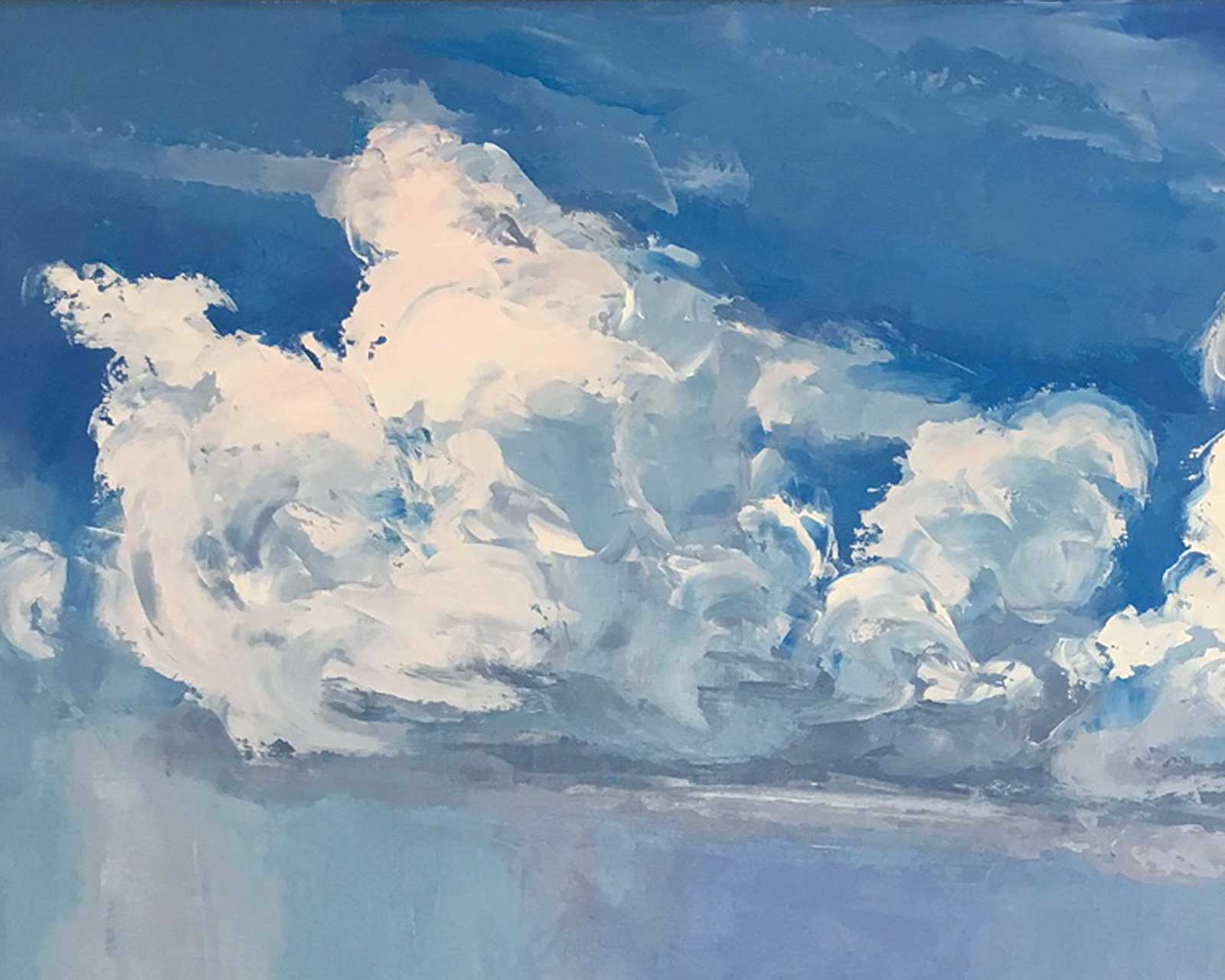
Close up of a section of the billowed clouds, showing loose layering of palette knife strokes.
 Stage 7
Stage 7 Starting the Dunes
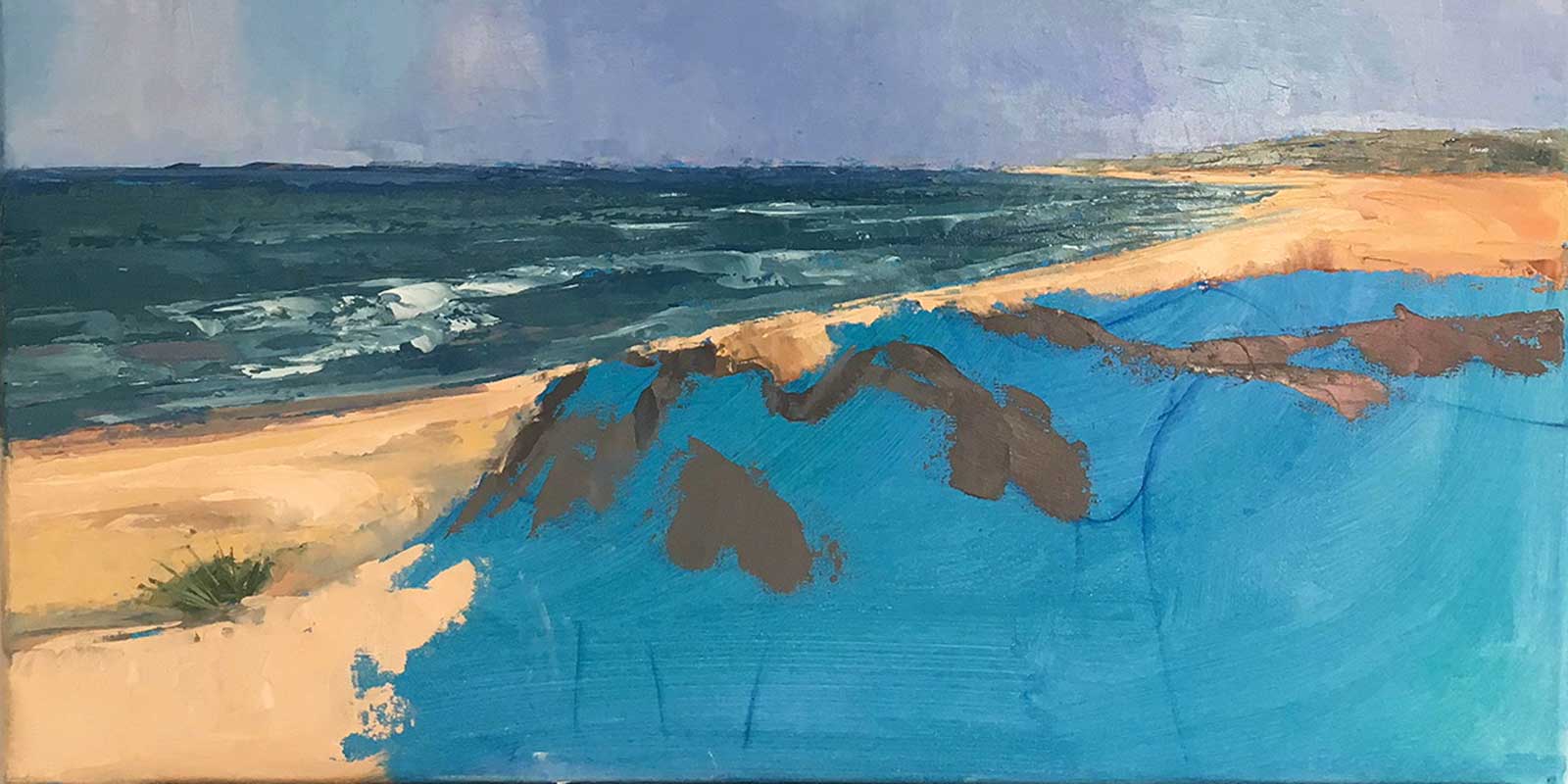
At this point, working from midground to foreground, I began to lay in the water, dune structure and shoreline, focusing on unifying the whole composition. From this stage I work on details and blending.
 Stage 8
Stage 8 Palette Knife Work
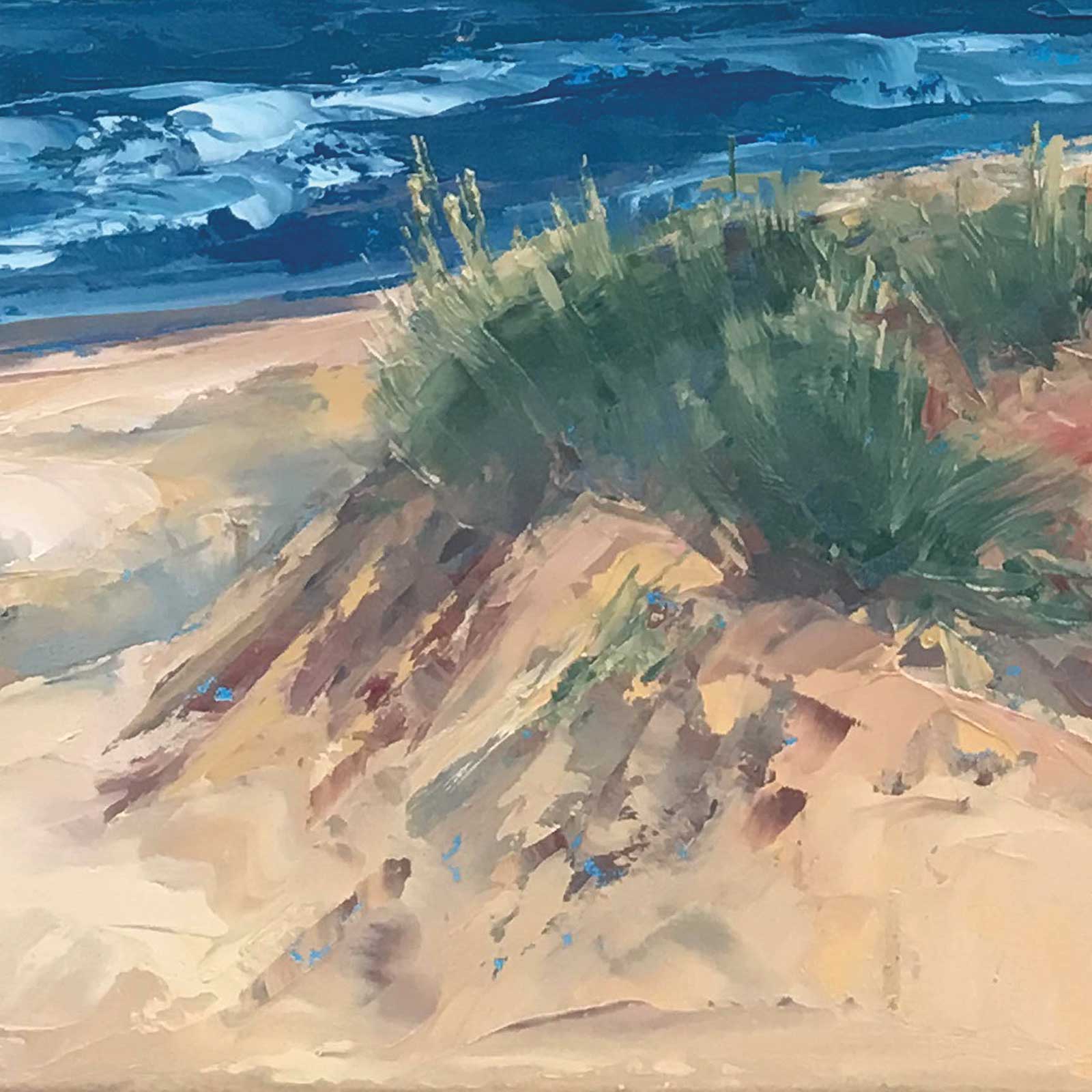
Close up of palette knife work in the sand dune and beach grasses.
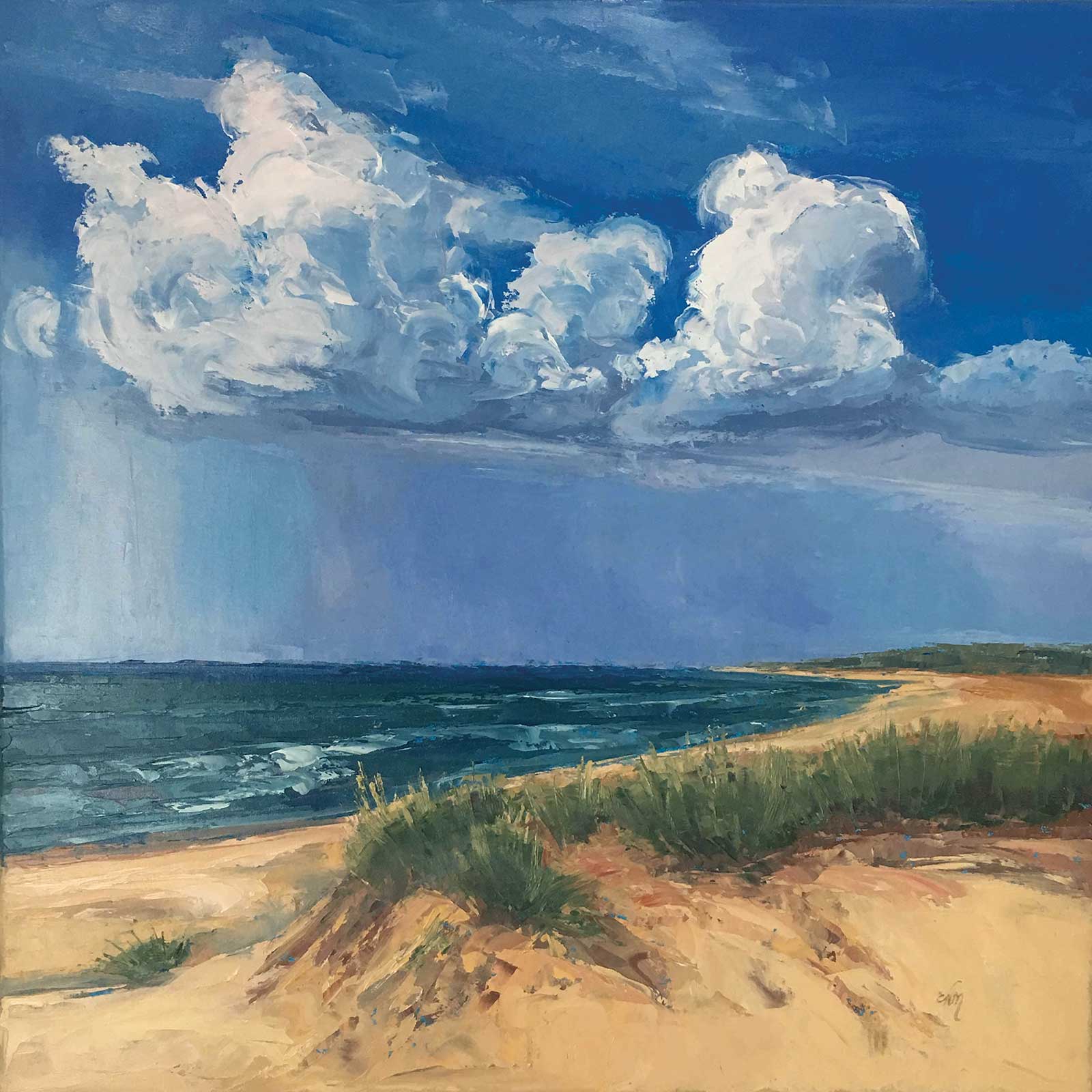 Stage 9
Stage 9 Finished Artwork
Summer Rain, oil, 24 x 24" (60 x 60 cm)
A dramatic yet peaceful scene designed with shapes, color harmony and textures. The canvas sides are continuously painted for it to be framed in a floater frame, if desired.
About the artist
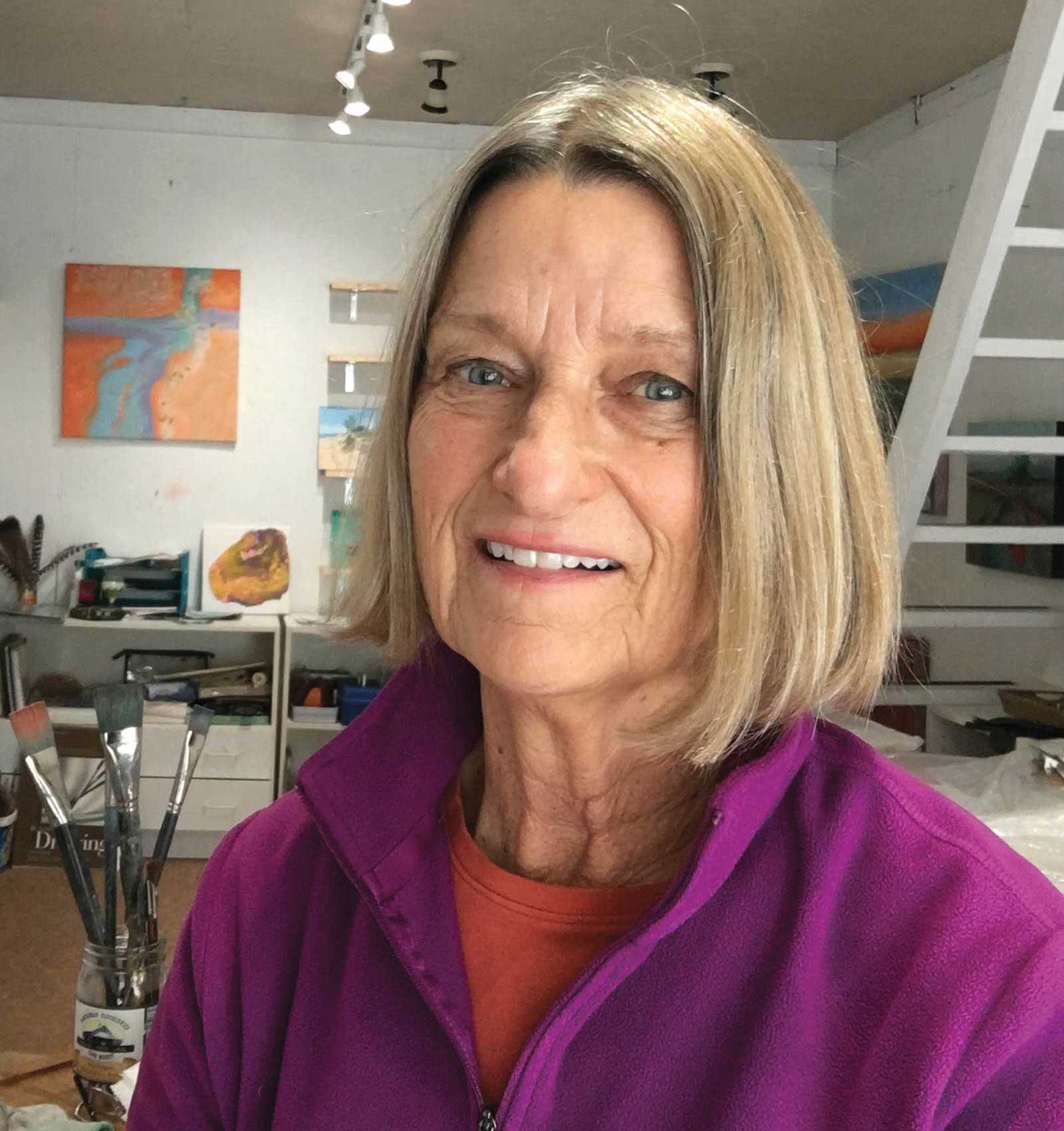 Diane Van Noord
Diane Van Noord lives in Grand Haven, Michigan, and has been a painter for over 35 years, primarily in oils with the palette knife. She playfully says she is a bit like a curious horse who needs to roam freely, exploring new landscapes, bringing her fresh impressions back to the studio to put on canvas. She also paints commissioned horse and animal portraits in a more traditional manner, mixed media works, and enjoys the freedom of some non-objective.
Van Noord’s award-winning work has been featured in publications like American Art Collector and International Artist magazine, and published in three books showcasing artists’ work. Her paintings have been accepted into more than 80 local, regional and national juried exhibitions, and shown in galleries in the USA.
Van Noord is an associate member of American Women Artists. She studied drawing and painting in college, and has attended many workshops with professional artists. Van Noord teaches in her studio and in workshops and has self-published a handbook on composition for painters that is available as a download on her website.
Represented by
AllArtWorks, www.allartworks.net