In the last Art Industry Insider I discussed the importance of being able to write a press release for your work and exhibitions. This month, we will continue to focus on some of the writing aspects of operating your art business. An artist’s biography and artist’s statement are two very important items you will need to have ready for your career in art. These are often known as an “elevator pitch” about your life and work. Once completed, these will need to be added to your website, sent to galleries, editors and journalists, and can also be uploaded when you apply to art shows, etc. The act of writing these can be fun and can help you voice why and how you make your art, as well as where you were educated and what you have achieved! If you already have one, perhaps this article will remind you of a key point you may have missed. Let’s dive in.
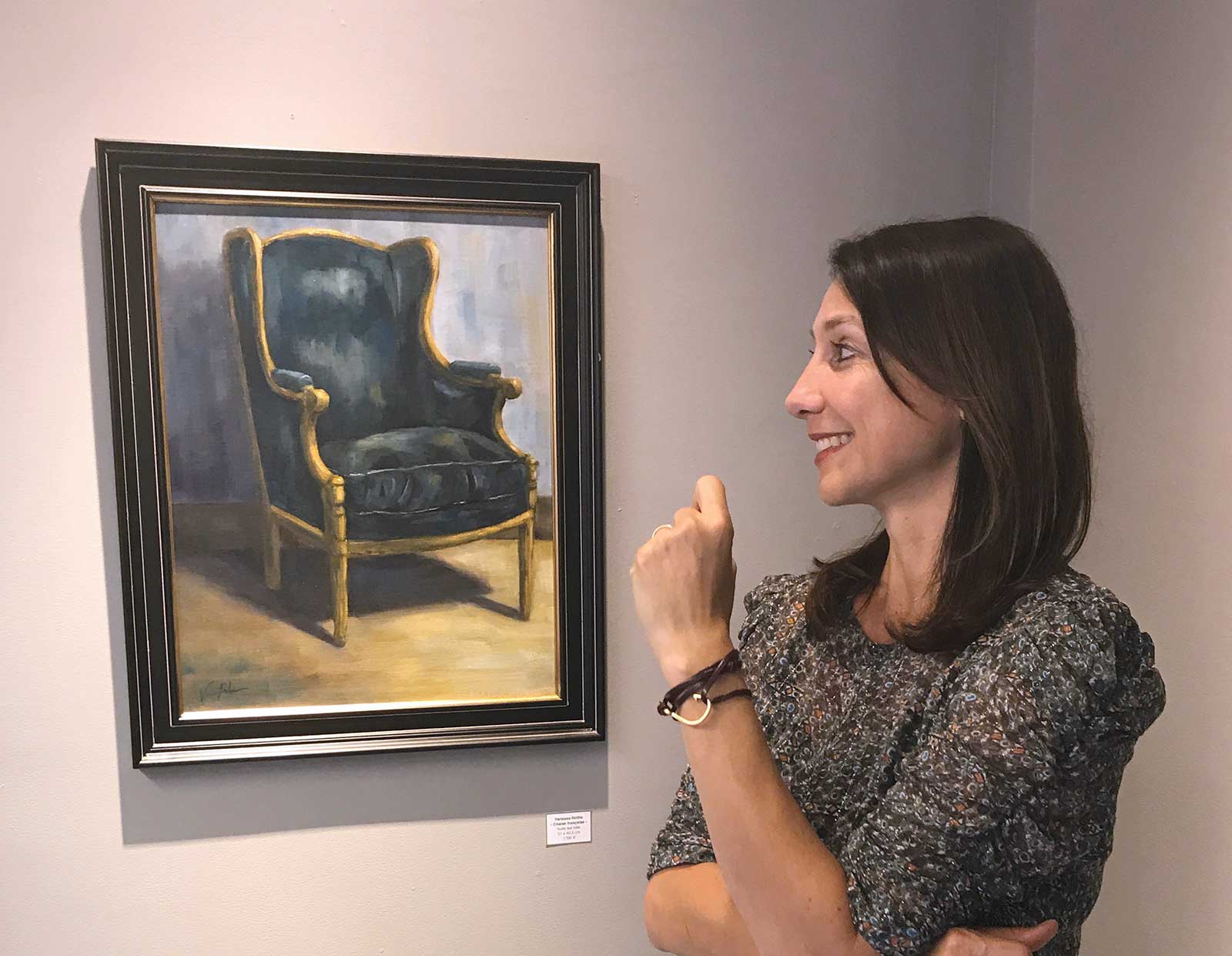
Artist and gallerist Vanessa Rothe.
An artist biography is a chance to tell people what you do and why. It usually includes where you grew up, when you started as an artist and if you went to school, perhaps touching a bit on your influences as well. The artist statement is usually a deeper dive, discussing the more philosophical reasons behind why you create, as well as your artistic process. If you are asked one day to combine these statements, you certainly can. However, many galleries and journalists still require them separately and are expecting quite different information in each. So for now, let’s create one of each. You can always combine them later.
Biography
This is your chance to tell your viewers and galleries about your work. Biographies are usually written in third person, such as, “She grew up in New York and started drawing at a young age.” You will want to include where you were born and your nationality. Include when you started working as an artist (write the year, as in “since 2008” for example, instead of how many years), where you live and work now and where you grew up. Include if you attended art school or how you got into art. State your art medium and add a few key sentences on your genre. If your work crosses over a few genres, try to figure out which and write it down. For example, “Her work is rooted in realism, having been classically trained as a fine artist, yet touches on the abstract where her background focuses on color and larger shapes.” Let them know about your main subject and themes and what influenced you to work with them. Just one or two short sentences. You will expand on this in the artist’s statement later. Try to keep this interesting, but also keep it simple, as you don’t want to lose your audience in jargon they are not familiar with.
If you are not sure what to write about your work and genre, contact a gallery and/or art magazine writer and simply ask them to categorize your work, or write a few clever sentences for you. The gallery owner may be honored that you asked for their expertise. The hourly fee you pay the writer would be worth it if those sentences end up becoming the way your work is known to the public. You will always want to include your website, social media and contact information at the end.
Next, you will want a short list of your career highlights and accomplishments. If you have won any awards or have been seen in any magazines or media, it is very important to list them here. Be sure to list your top gallery shows next. But, do not list every school, award or show you have had—this is not a full curriculum vitae. If you have many shows you can write something like, “Her work has appeared in more than 20 exhibitions, such as…”, then list the top three or four shows.
You will also want to create a short bio version (about 60 to 75 words) to have handy, as sometimes only a short bio is accepted. Before publishing your biography, always ask a friend or family member to read it, as not only will they see spelling errors, they will let you know if it’s good, confusing or still needs questions answered.
The bio should not give away everything, just a fair amount of interesting information. If they want more, that is what your artist’s statement is for. And finally, always include a clear image of you working in your studio or standing next to your work.
Artist’s Statement
In your artist’s statement you can write what fuels you and your work. This is usually a bit longer, at around 200 words. It’s where you get to use your true voice, in first person, to give insight into your work. You can answer important emotional questions like, “Why are you making this art?” You can talk more about your influences and exactly why you love those artists, works or subjects. Explain what you feel and why you want to share it with your viewers and collectors. For example: “I’ve always longed to try and capture the natural beauty of the landscape and its changing light effects” or “My work is about conveying an emotion of my human subjects in their daily life.” Convey what you want to capture in your subjects and themes. If your work is not very conceptual, explain what subjects you choose and why. If your focus is on still life, what about these set-ups is attractive to you? Or is it more about the paint application itself? It’s often a good idea to pick just one of your works and explain it. Help your viewers and collectors understand what inspires you.
Next, you will want to explain a little about your process. In one to two sentences, describe how you created this work. Do you stretch your own canvas? Do you only use oil, watercolor or mixed media? If it’s photography, which camera did you use? What is your favorite exposure setting? Why? If you are a sculptor, what methods are you using? Additive or subtractive? Use phrases like, “my aim is to,” “using this method helps me convey” or “my work examines.” Ask yourself, is there anything different about your process from most artists? What makes you and your work special or unique? This statement is often used by your gallery’s sales team to talk to potential clients about your work. So think about what you would say if you were standing in front of your work trying to explain it to someone, and then write that down. Keep in mind that journalists also often pull quotes from the artist from this text for their articles. Again, include an image of you working in your studio, or a close up of your materials and subjects along with your work. Behind-the-scenes shots are great here.
Both your biography and artist’s statement should be updated and checked every six months, if possible, to include new subjects and themes. But most importantly, any new awards or major gallery shows should be added and kept up to date. I hope this brief introduction has been helpful to you when writing (or updating) your exciting artist biography and statement. —