“At the end of the day, you just can’t give up.” –Paul Newton, 2023 Portrait Society Draper Grand Prize Winner.
This past May, a crowd of Portrait Society conference attendees rose to their feet to applaud artist Paul Newton as he took to the stage to accept the Draper Grand Prize for his outstanding painting, Self Portrait in Lockdown. Out of more than 3,000 submitted entries and 20 selected finalists, Newton’s expressive and soulful self-portrait was awarded the top prize, which this year came with a $50,000 cash prize, as part of the Society’s 25th Anniversary celebration. About the award-winning work, Portrait Society executive board member, Mary Whyte, who served as one of this year’s judges, remarked, “Paul Newton’s self-portrait checks off all the boxes of what makes a superior work of art. Richly painted, beautifully composed and simply stated, Newton serves up a masterful piece that is both classical in technique, yet contemporary in feeling.” Classical, yet contemporary is an apt description of Newton’s larger body of works, which have been displayed and collected by museums and private collectors around the world. Recently, I had the opportunity to talk with Newton about his self-portrait, his process and future aspirations.
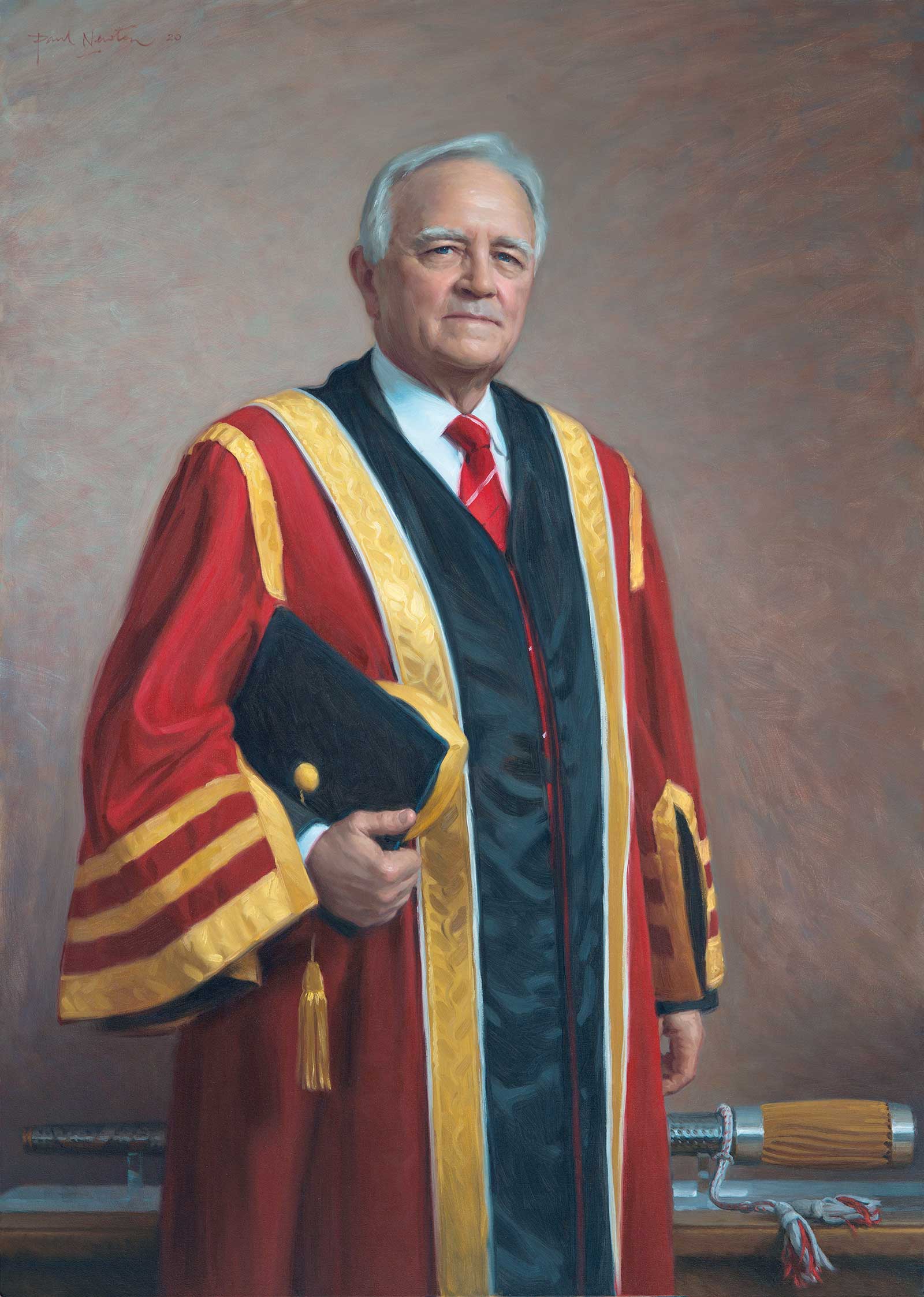
Paul Newton, Henry Smerdon AM, Griffith University’s Chancellor, oil, 55½ x 39½" (140 x 100 cm)
Can you discuss your award-winning work, Self Portrait in Lockdown? How did Covid-19 and the strict lockdown conditions in Australia impact you and your career?
I painted this self-portrait during the many months of lockdown in Sydney, at a time when the government restricted travel to a 3-mile radius from our homes, one of the most extreme lockdowns in the world. My pensive, subdued expression in the picture reflects my mood during this very difficult time of dislocation from friends and family.
At the time, the travel restrictions made it nearly impossible for me to undertake new portrait commissions. There was one exception, however, an American university president whom I painted via Zoom. More correctly, I directed a photoshoot via Zoom, enlisting the assistance of the university’s professional photographers. They were wonderful to work with, they sent me the photos from which I was able to compose the picture, and the end result was a great success.
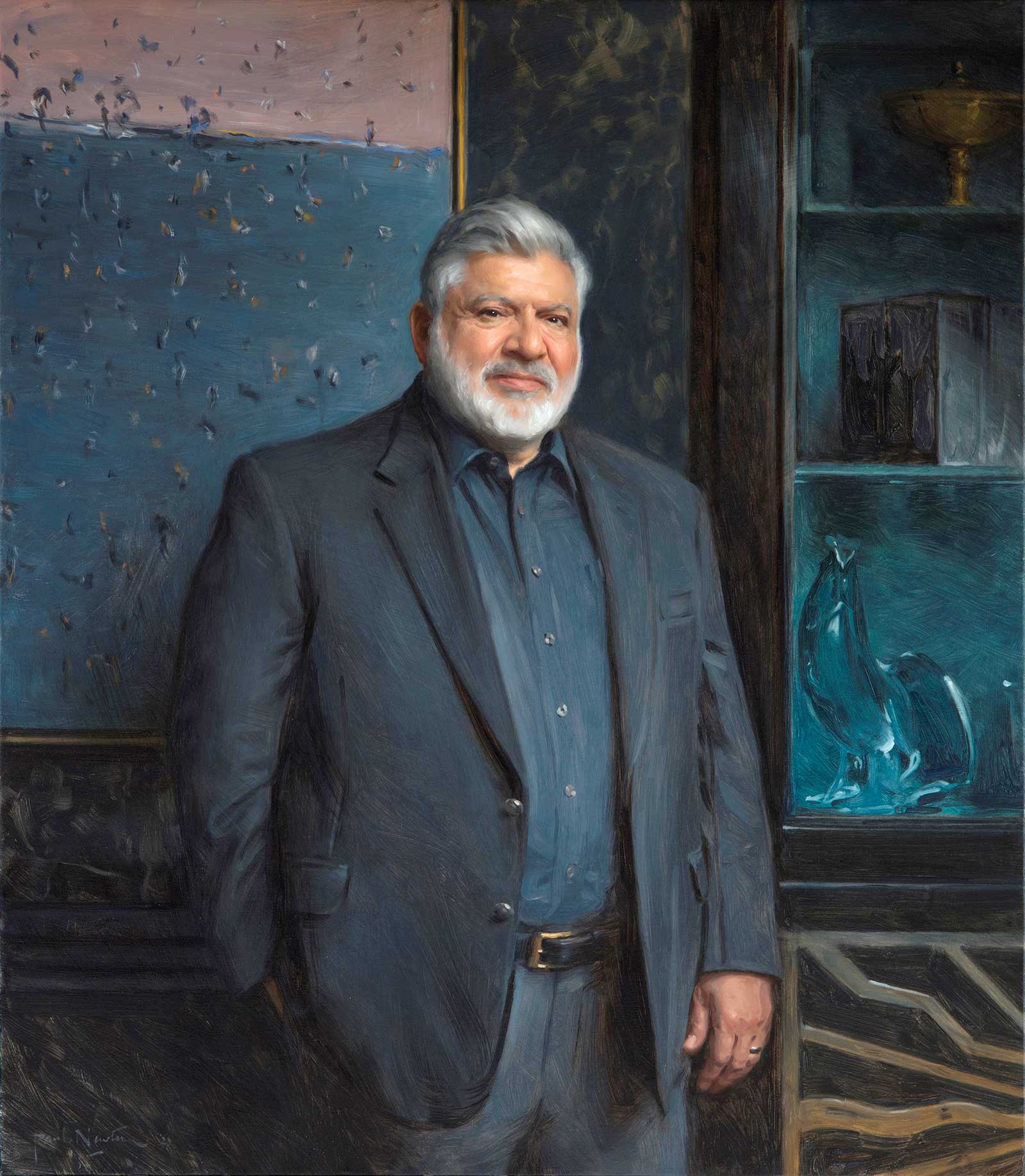
Paul Newton, John Symond AM, oil, 54 x 47" (137 x 119 cm)
When you think about your art career, can you share one or two challenges you faced and how you overcame them?
I think the biggest challenge I’ve faced in my art career was getting started and trying to establish myself in the marketplace. Being a painter is such a precarious way to make a living, and there’s no predetermined career path. I really think having my work exhibited in art competitions like Sydney’s Archibald Prize helped enormously. It’s a forum that showcases portraits, a genre that commercial art galleries seldom display. People who might be looking to commission a portrait, and who visit the exhibition, get to see your work, with the implicit stamp of approval of the institution holding the exhibition, and therefore they are more likely to trust that you know what you’re doing!
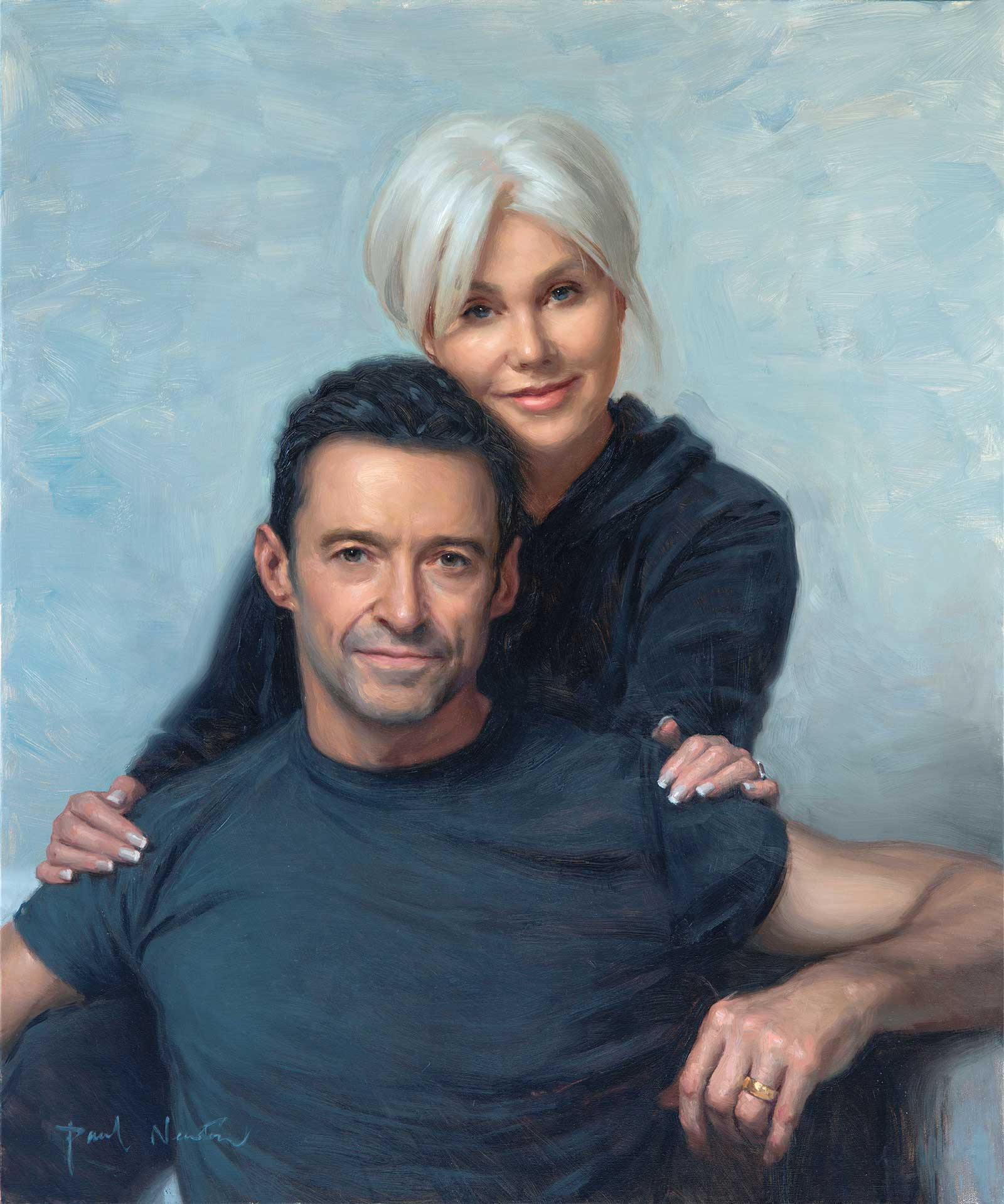
Paul Newton, Hugh Jackman and Deborra-Lee Furness #2, oil, 36 x 30" (91 x 76 cm)
Perseverance is a word I often think of when someone is considering a career in art. Can you tell me about how you experienced perseverance over the course of your career and how you stayed the course?
Yes, that’s a great word. I think it describes not only what’s required to keep your career on track but also the process of creating a painting. When I started in this field, I really struggled to complete paintings. I could get them started, but I couldn’t complete them. I would tend to overwork some areas and then not know what to do with other areas. What helped me was spending a lot of time in art museums seeing how the masters dealt with such challenges. At the end of the day, you just can’t give up. You have to push though the blockages. You may be an emotional wreck by the end, but you’ll have made some progress, and it won’t be quite so hard next time.
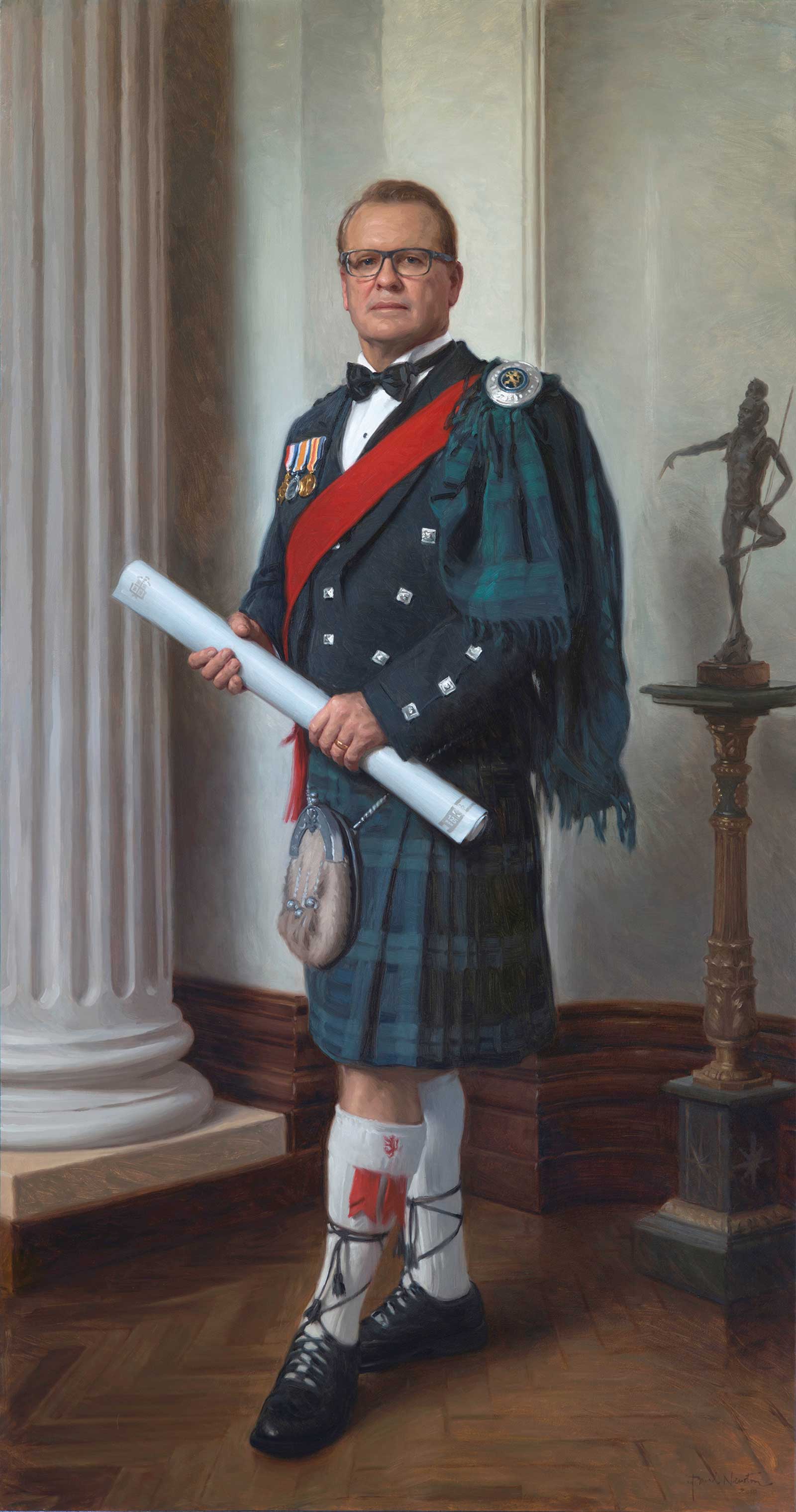
Paul Newton, Dr. Ian Lambert, Principal of the Scots College, Sydney, oil, 89 x 47" (226 x 119 cm)
Do you predominately work from life? If you do use a photo reference, what are some pitfalls?
At art school we were taught to work exclusively from life, and it was a great way to learn to paint. I didn’t own a camera back then, so I was never tempted to work from photographs. However, in time I came to see that photos could actually be of great assistance. When you want to capture a particular pose that is difficult for the model to hold or if your portrait subject is short on time, photos can save the day. However, they do tell lies, and without having spent a considerable time working from life, it’s hard to tell when they’re lying. The main problems I encounter with photographs are their tendency to exaggerate things. For example, the highlights tended to burn out and the shadows block in; the color is never completely true to life; there are often depth of field issues, which cause the nose on the subject’s face to be enlarged while their ears further back are too small, etc. I won’t even start on the problems of pin cushioning and barreling! The solution to all of this is to spend a lot of time working from life.
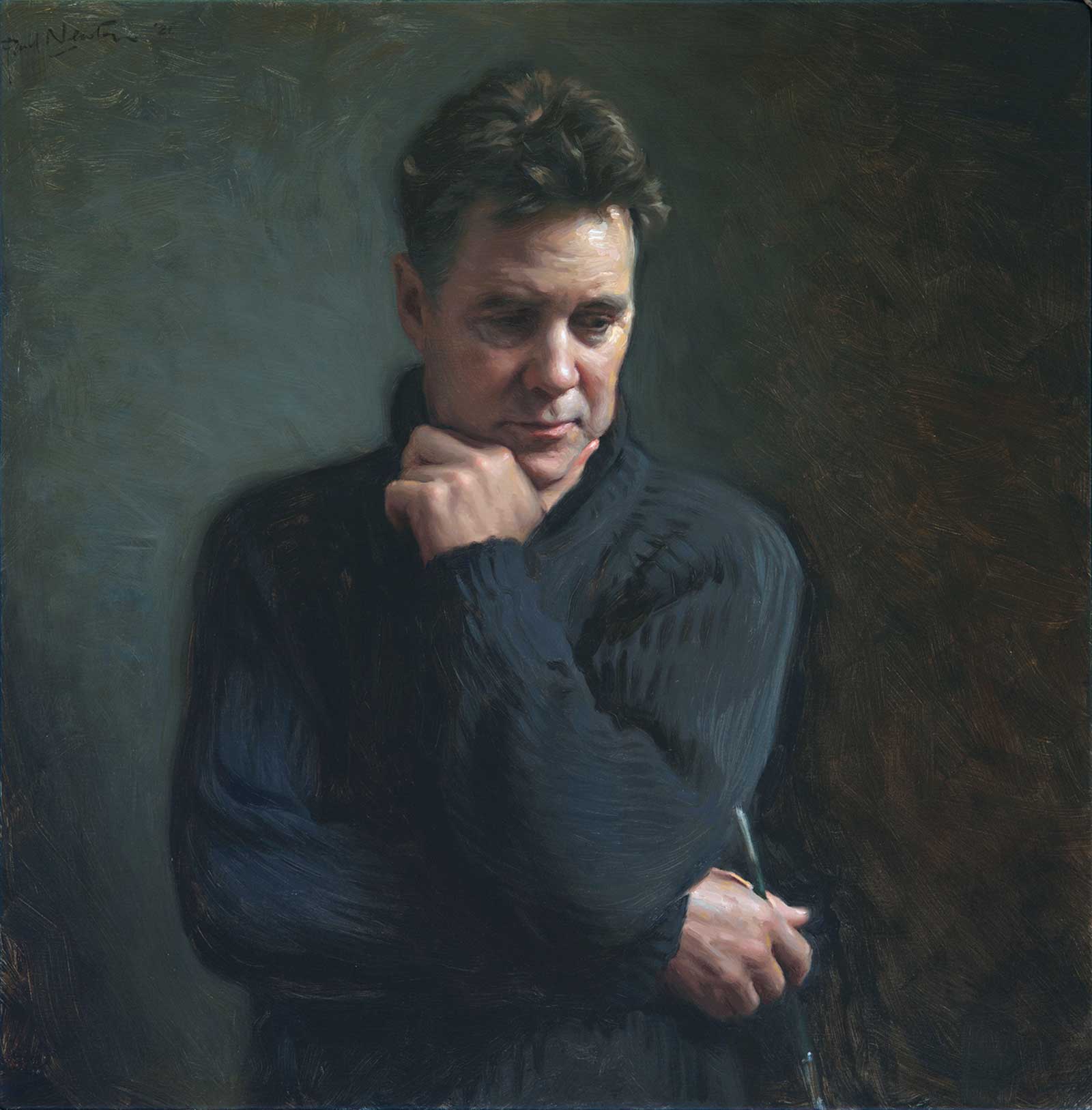
Paul Newton, Self-portrait in Lockdown, oil on linen, 34 x 33½" (86 x 85 cm)
If you could offer advice to a young emerging artist, what are the top three things you would tell them?
I would say spend as much time as you can in art museums studying the work of the masters. That’s probably number one. If you can make master copies from life in the gallery, that’s even better. It’s a matter of spending time with the works of the masters in the hope that some of their genius might rub off! Number two is spending time drawing and painting the human figure from life. You can never get too much experience drawing and painting from life. Thirdly, I would say spend lots of time experimenting with your art. Try things that are outside your comfort zone. Explore different approaches to painting. It’s a bit like trying on clothes at the store. You try a variety of outfits and styles until you discover the one that best fits you. You’ll discover your own voice by first imitating those voices you admire.
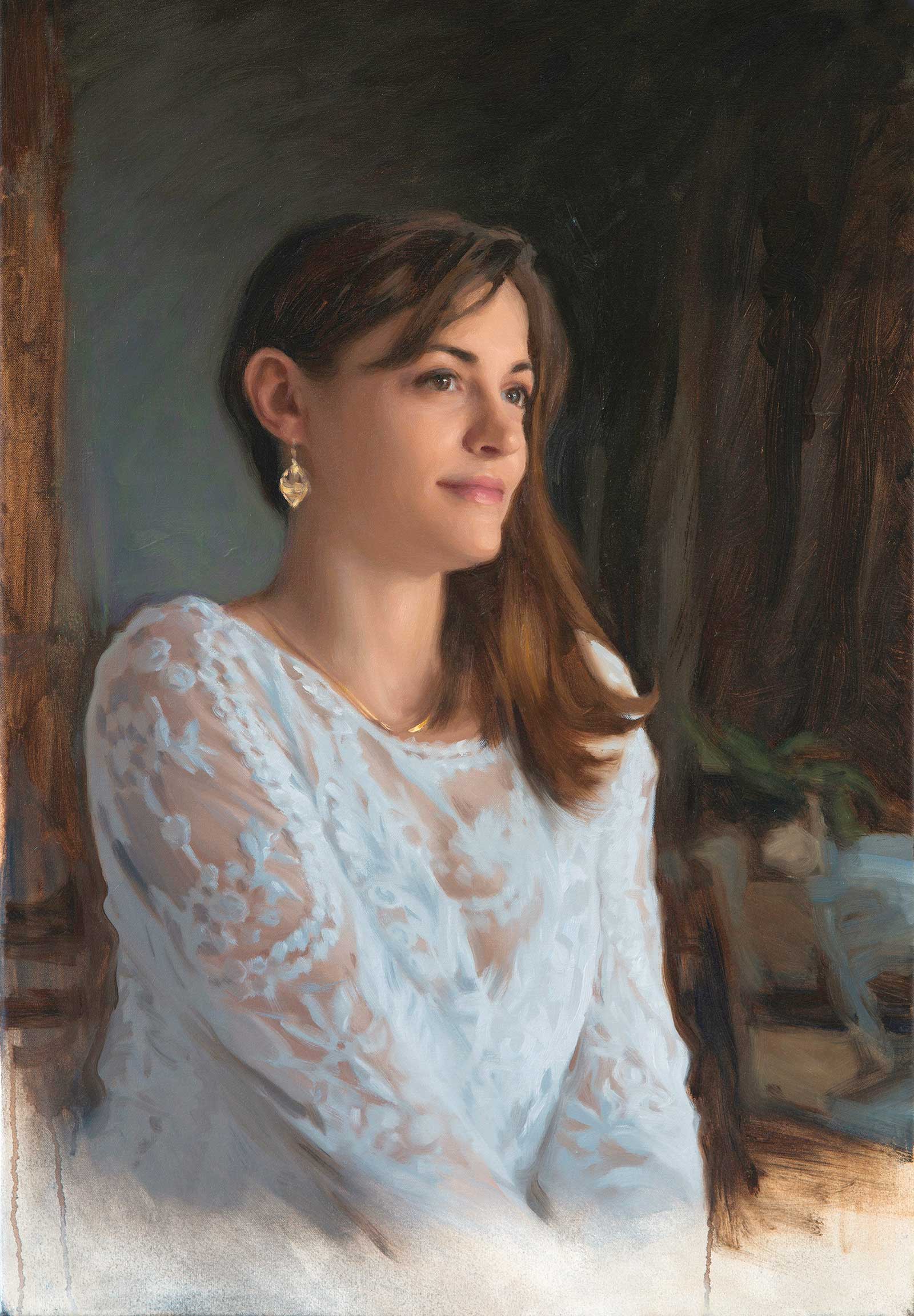
Paul Newton, Gina, oil, 32 x 22" (81 x 55 cm)
You have been a 15-time Archibald Prize finalist, a Portrait Society finalist eight times, commissioned to paint 32 pictures for the interior of the Domus Australia Chapel, Rome, Italy, including a full-length portrait of St. Mary of the Cross MacKillop, and have six works in the National Portrait Gallery’s collection. With all these incredible accomplishments achieved, what are your future aspirations?
That’s a great question! I think my biggest aspiration is to paint better than I do now. I’m never satisfied with my work, and I’m always trying to improve. I love to listen to and watch how other artists paint. I always learn something when I do that. This is one of the things I love about attending the Portrait Society’s annual conference—it’s an opportunity to watch some really talented artists in action, and to learn from them.
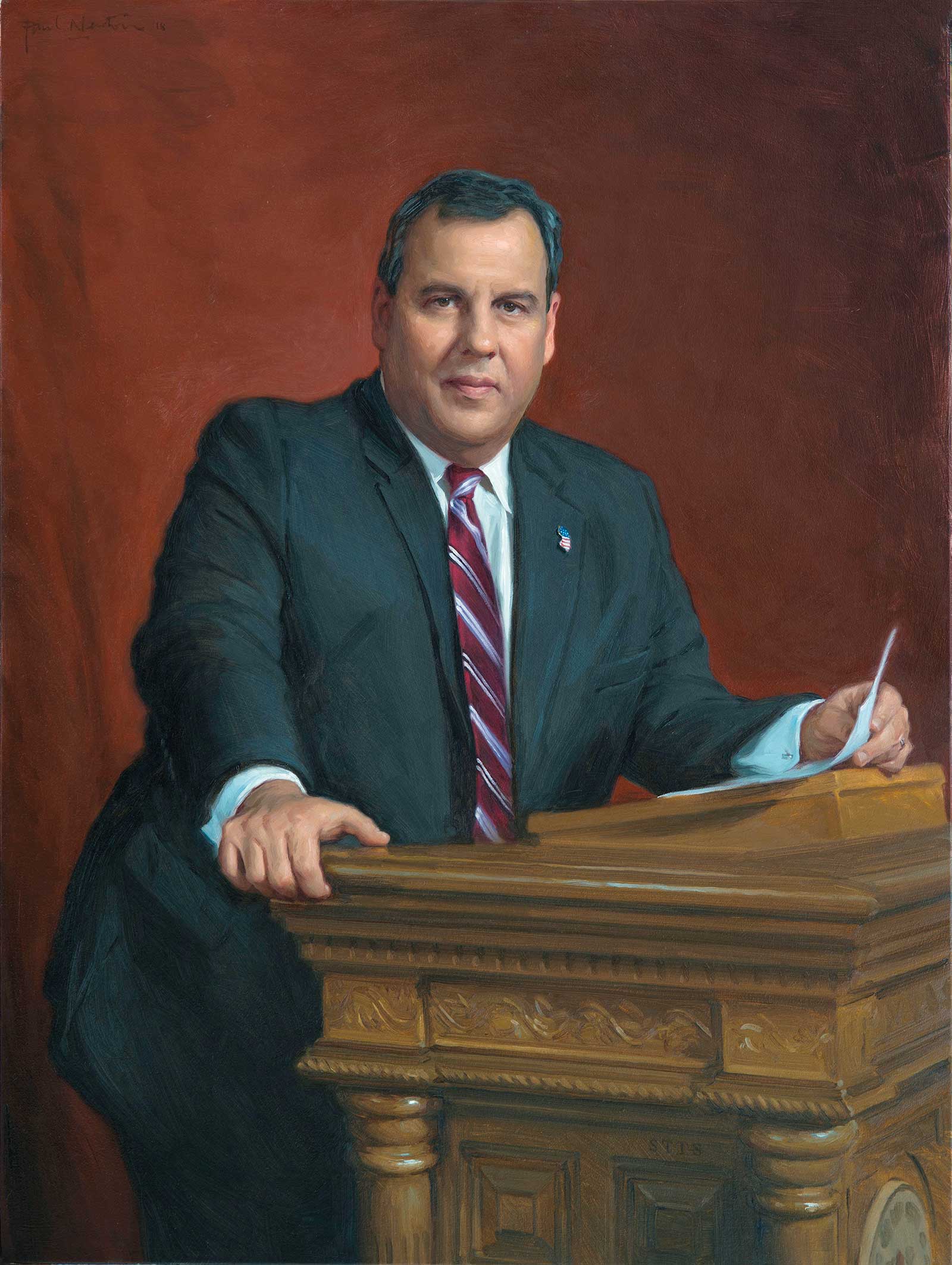
Paul Newton, Honorable Chris Christie, oil, 48 x 36" (121 x 91 cm)
I, for one, look forward to seeing what Newton accomplishes next. In the meantime, you can make the trek to Rome to see his 32 paintings for the Domus Australia Chapel in person or visit his website to see his latest portrait commissions and sketches.
For a chance to be the next Draper Grand Prize winner, be on the lookout for information about next year’s The International Portrait Competition and how to submit your work. Next year, the annual The Art of the Portrait conference will be returning to Atlanta, Georgia, April 25 to 28. Registration is now open at www.portraitsociety.org.