
“Leap and the net will appear.” This has been the unofficial motto of Raymar, the well-known and loved art supply company, since its inception in 1998. This year has been a big one for quite a few organizations in the art world—International Artist magazine and the Portrait Society of America both celebrated their 25th anniversaries—and within that silver anniversary lineup is Raymar, one of the leading art panel suppliers in the country and the world. The best of the best artists of the day work closely with Raymar panels, from Jeremy Lipking to Michelle Dunaway to Daniel Keys.
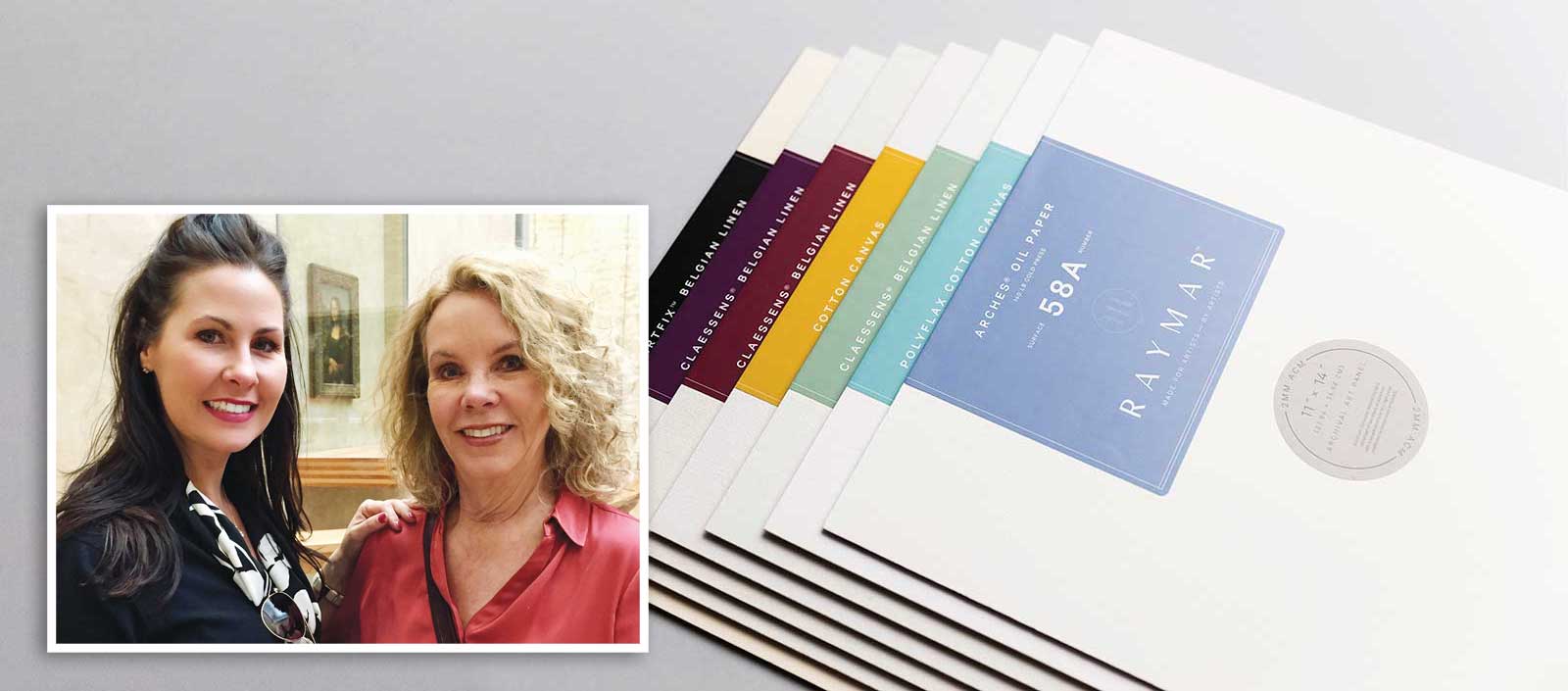
Mother-daughter team, Emilie (left) and Catherine Dietrich.
The Arizona-based company has humble beginnings, their story born out of a genuine love of art and human connection. It started when artist Catherine Dietrich enrolled in a workshop led by Ted Goerschner at the Scottsdale Artists’ School in Arizona. When she learned that all students were expected to make their own panels and other art supplies, an idea began to grow in her mind. As an artist, she didn’t want to be burdened by the need to craft her supplies; all she wanted to do was paint. “It kind of took off from there,” she says. “It looked like there were a lot of artists who needed panels. Our motto is ‘leap and the net will appear,’ [because] if you want to figure out all the contingencies before you start, you’ll never start.” And so, Catherine immediately dove in.
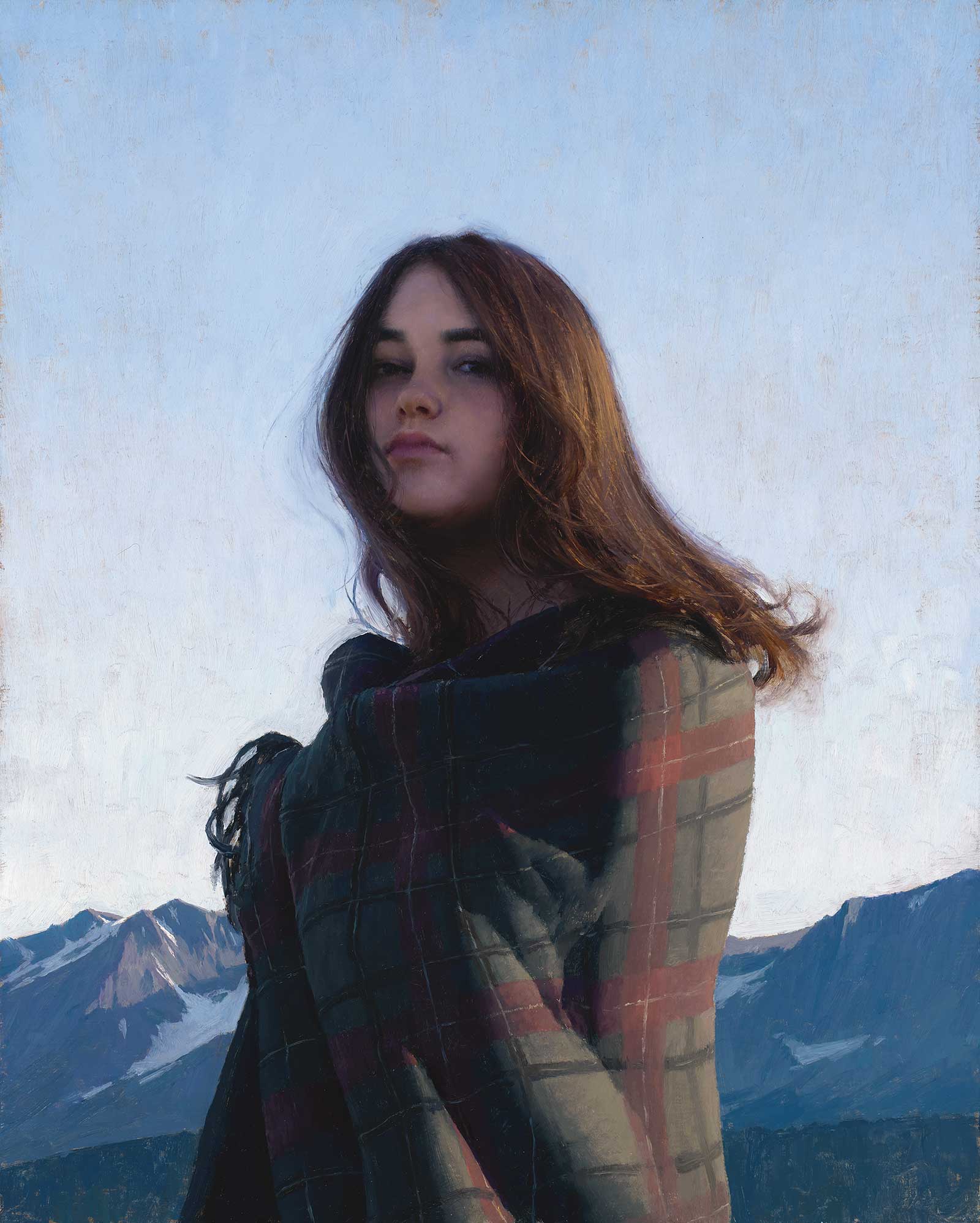
Jeremy Lipking, Of Earth and Sky, oil on Raymar Artfix L64C, 20 x 16" (50 x 40 cm)
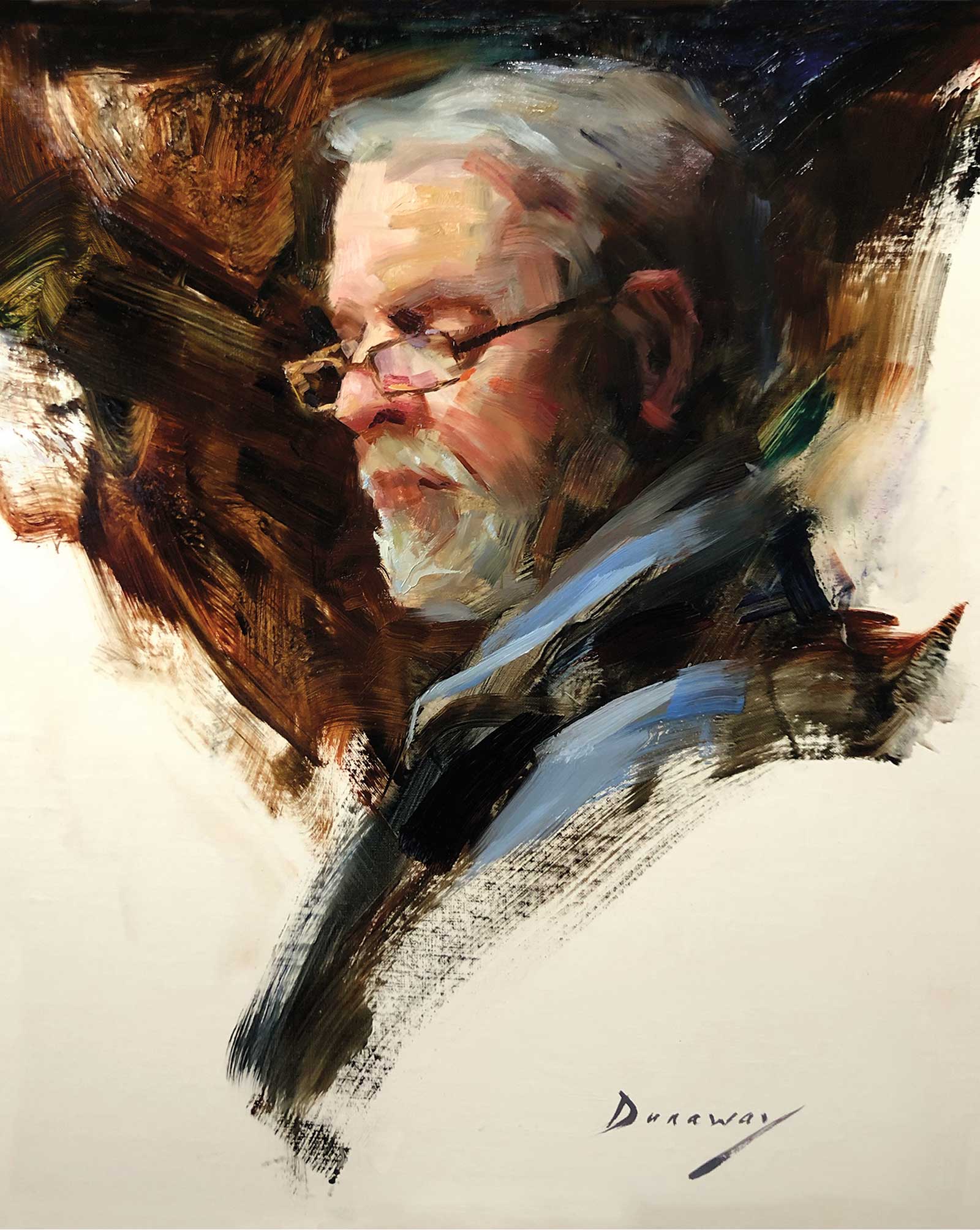
Michelle Dunaway, My Mentor, My Friend, oil on Raymar L64C Artfix linen panel, 20 x 16" (50 x 40 cm)
Alongside her late husband John, a passionate art lover and entrepreneur, that spark of an idea was kindled and ultimately grew into a roaring flame. Their first panel was smooth cotton, which Catherine showed to a fellow artist who told her they’d never paint on it, as it had no texture. Every subsequent product the company produced came from listening closely to the specific needs of artists.
“I remember we started off making little sample panels the size of business cards and sent them off to Kevin Macpherson’s art students,” says Emilie Dietrich, Catherine’s daughter. She was gathering data, listening to the artists directly about what they wanted and needed. “We’ve learned over the years that it’s a nurturing process. It’s been a slow and steady growth, nurturing those relationships. I joke that we’re a 25-year overnight success…We’ve built so many relationships with our customers and genuinely care.”
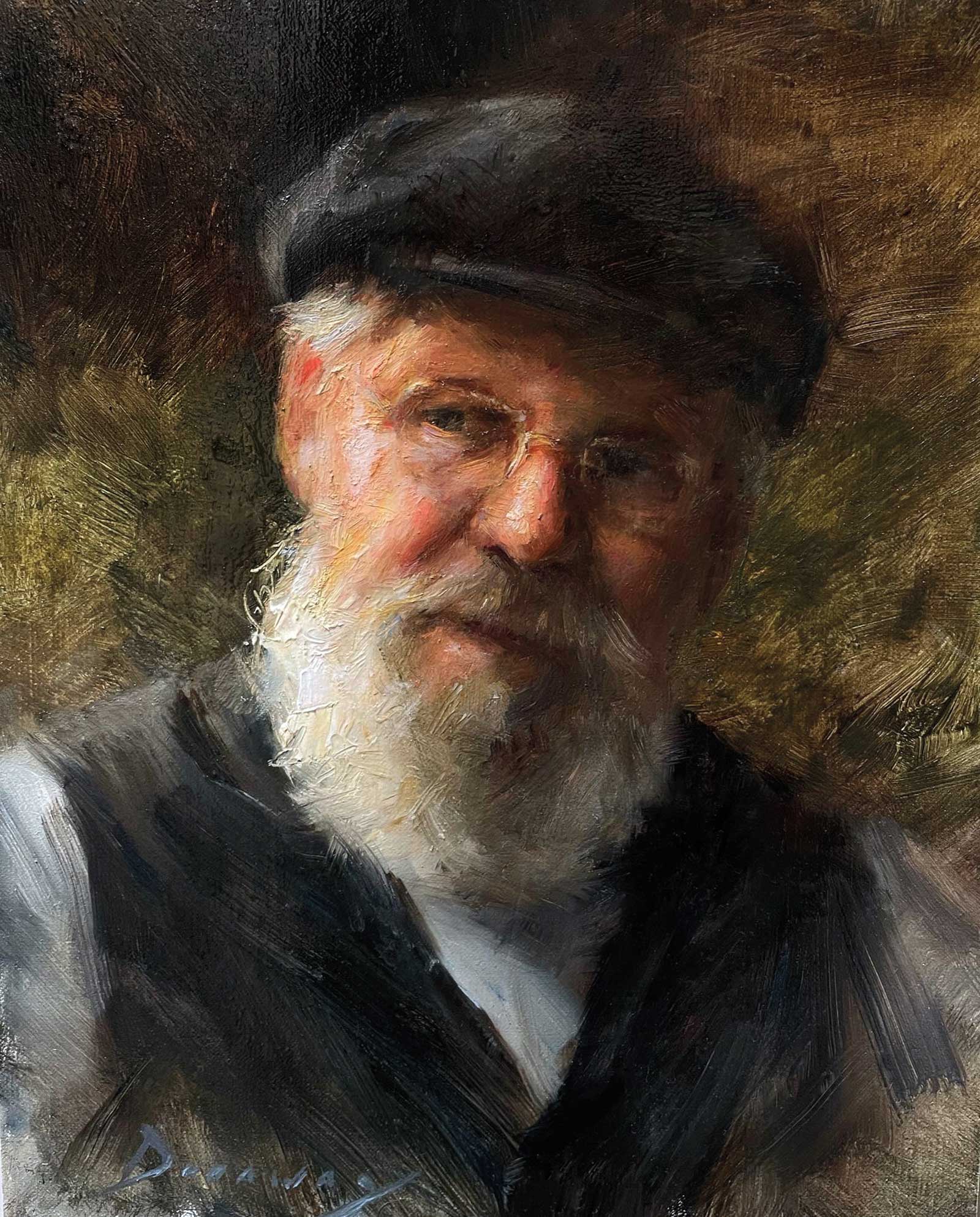
Michelle Dunaway, The Artist, oil on L64C Artfix linen panel, 12 x 9" (30 x 22 cm)
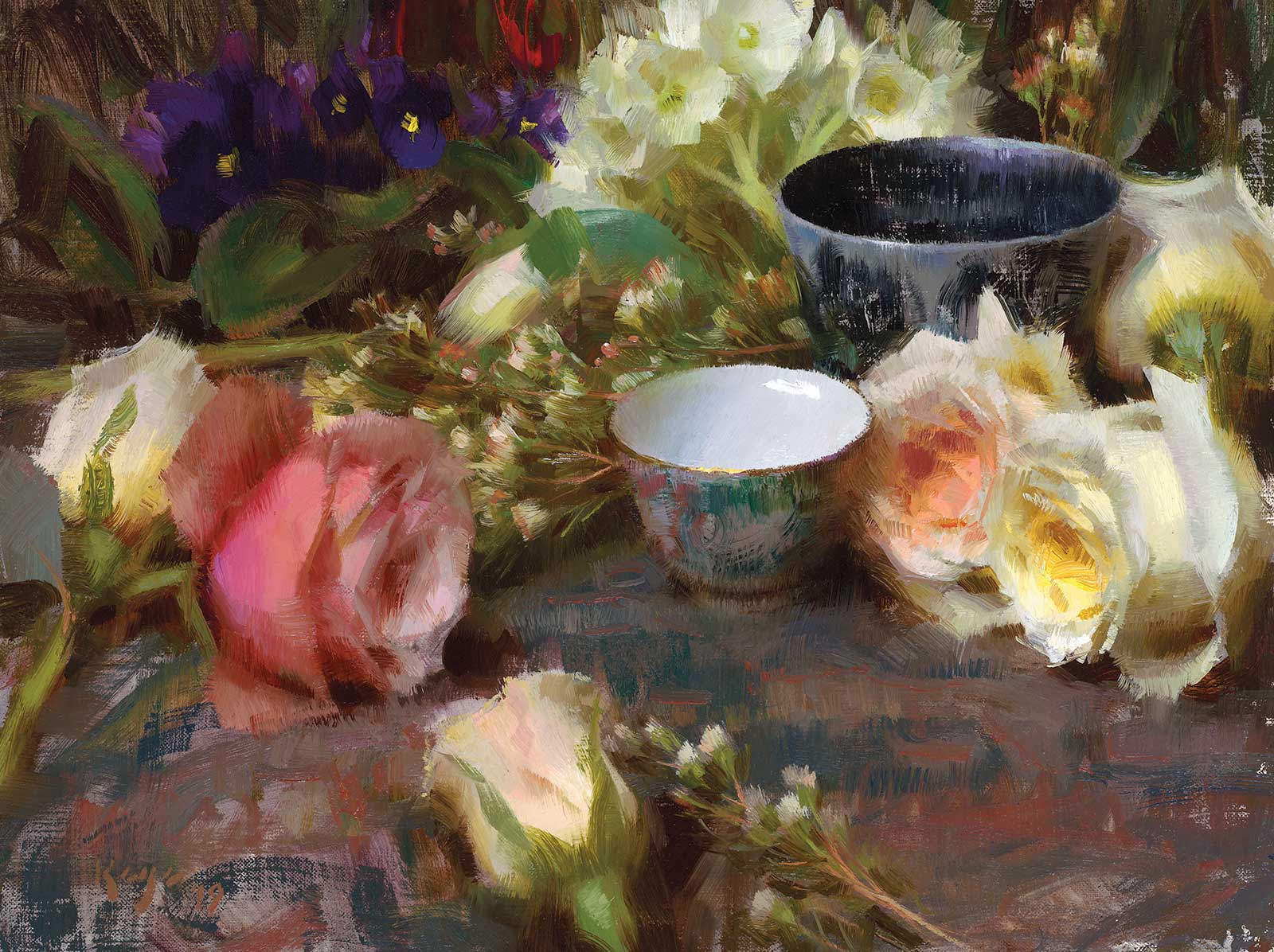
Daniel Keys, Summer Flowers and Cups, oil on Raymar C13DP Claessens linen panel, 11 x 14" (27 x 35 cm)
While Emilie has always been involved in the business in some capacity, these days she’s at the helm of the ship as the company’s president and creative director, having joined in 2008.
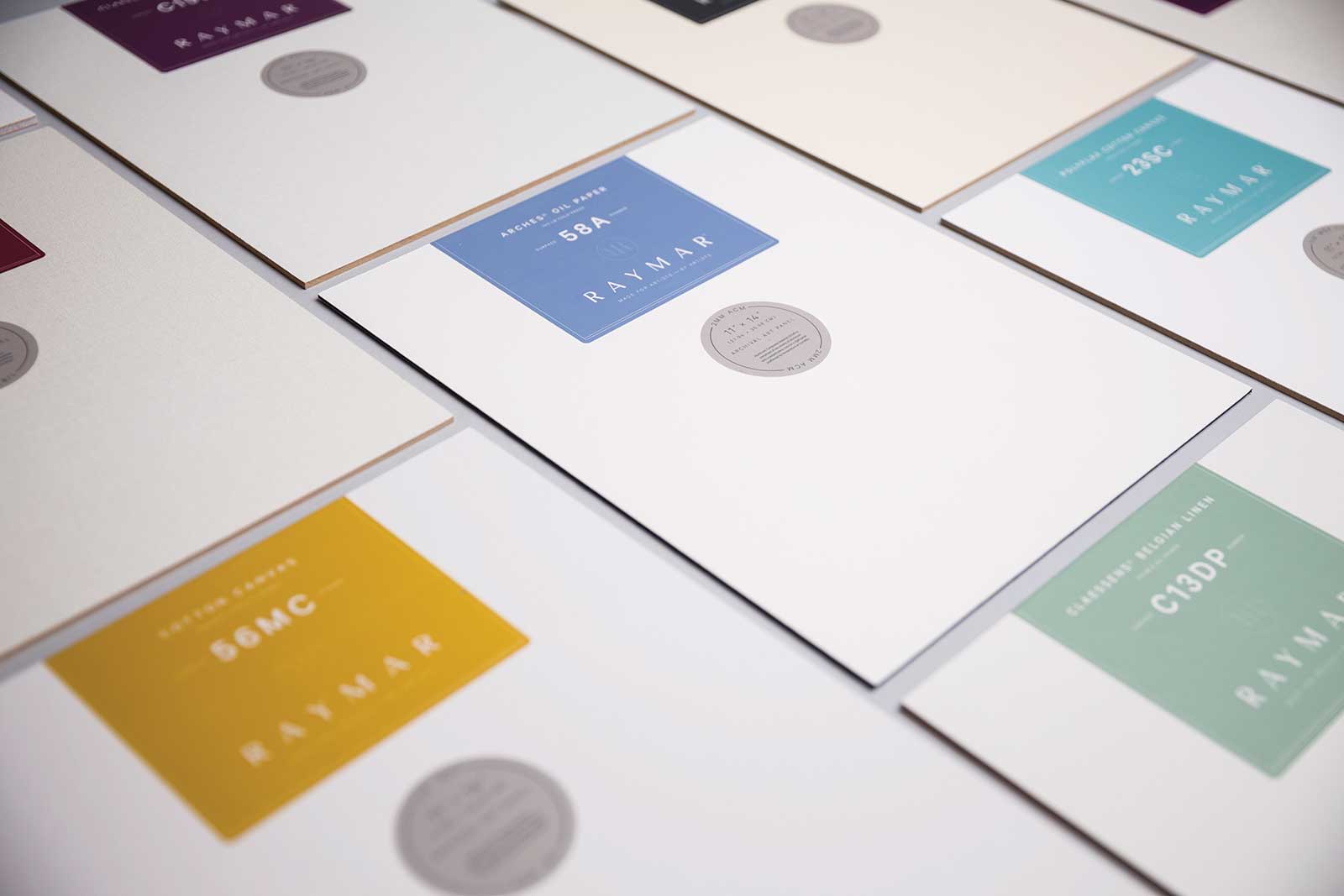
In the very beginning, Raymar’s fine art panels were geared toward plein air artists (for the first five years, they offered just two cotton surfaces), but now they produce massive, rigid panels with all kinds of surfaces and supports. Linen on aluminum (ACM), Gatorfoam or MDF. Cold or hot-pressed Fabriano watercolor paper on aluminum. Smooth and medium cotton panels on FeatherLite MDF. Or their stunning, natural copper ACM panels, which lend a lustrous quality to the artwork painted on them. (To name just a few).

Jeremy Lipking, Canyon Solitude, oil on Raymar Artfix L64C, 16 x 20" (40 x 50 cm)

Daniel Keys, Golden Light Roses, pastel on Raymar sanded pastel panel, 20 x 16" (50 x 40 cm). These panels were made specifically for Keys and will be available to the public for purchase soon.
“It’s more archival to paint on a rigid surface,” says Emilie. Quite literally, it supports the longevity of one’s artwork over the years. “We put a lot of love and care and attention to detail [in our products], and it makes the artist’s life easier…[We’re hoping] to inspire people to understand that there’s an artist in them.”
Catherine adds, “We’re not just selling panels.” And they really mean it. While speaking with both of them, we continually returned to the theme of building meaningful relationships. Getting out there and talking to the artists directly, learning about what they need. It’s why you’ll find Emilie representing Raymar at events like the Plein Air Convention and the Portrait Society’s Art of the Portrait Conference. It’s also why they offer custom sizing on their panels, an invaluable tool for artists. They’ve created panels as large as 4 by 6 feet for Lori Putnam, or as specific as 173⁄16 by 20 inches—simply because the artist asked.
“You can’t go into an art store and get that,” says Emilie. “At the end of the day, you’re selling to people…We sell directly to artists. That’s one major difference [between Raymar and other companies]. They push their products through distribution channels. We have one-on-one conversations with our customers to determine what they need…You don’t have a company unless you have customers, and those relationships, if you don’t nurture them, those companies fade away.”
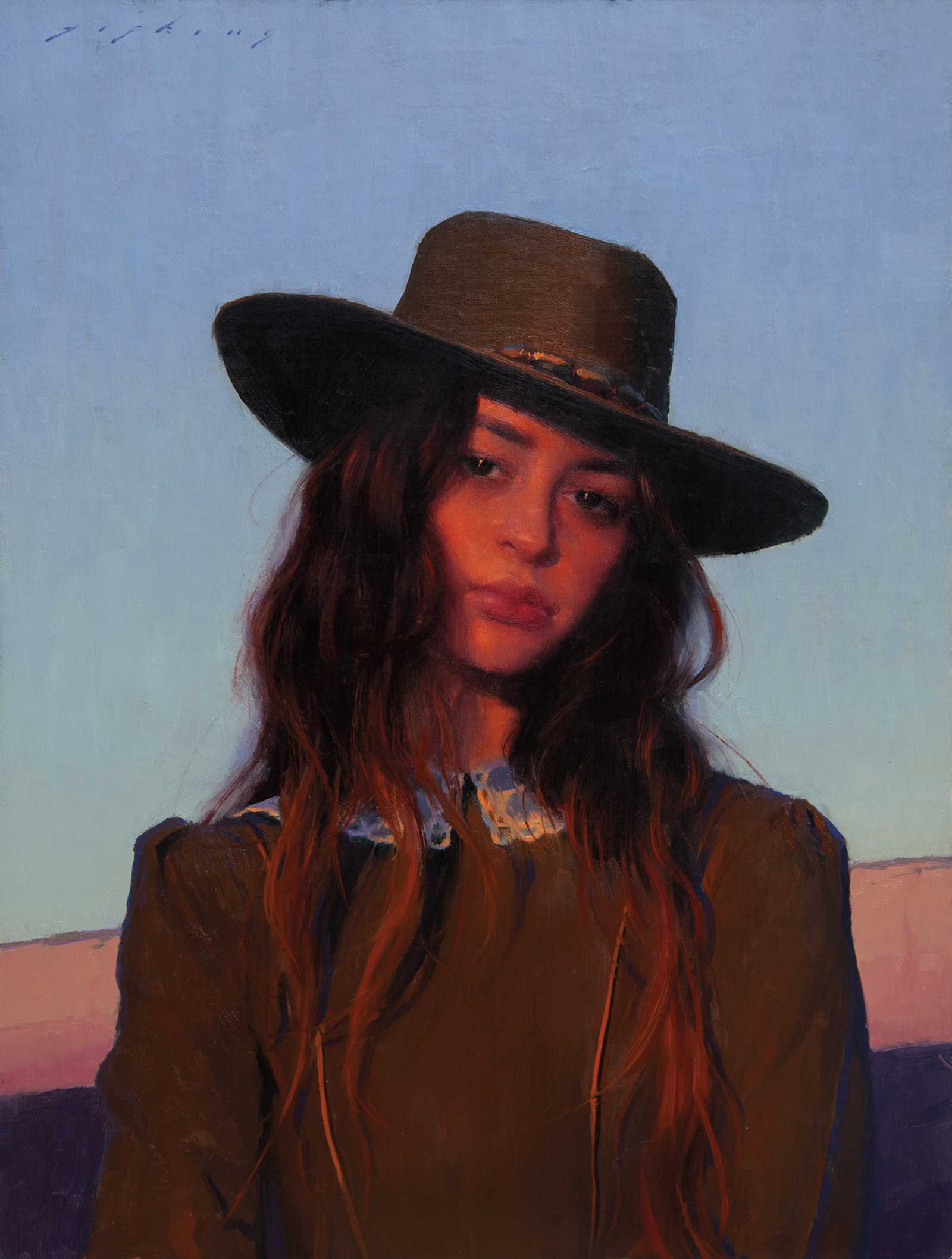
Jeremy Lipking, The Prospector’s Daughter, oil on Raymar Artfix L64C, 16 x 12" (40 x 30 cm)
Catherine adds that this was precisely why they decided not to sell through a physical art store. “In that situation, the only relationship we can have is with the store manager, and that’s not our end user,” she says.
The end goal is supporting artists. One of the ways that Catherine and Emilie are doing this is through a spirit of philanthropy. In 2011, they created the John A. Dietrich OPA Memorial Award. Every year, the $1,000 cash prize is given to each OPA figurative award of excellence winner at the annual Oil Painters of America National Exhibition.
Raymar also donates all of the panels for Daniel Keys’ yearly Palette Project, a workshop that gives young, upcoming artists the opportunity to work with professional, high-grade art supplies and materials. “We want to impact artists at all levels. I do believe that when you’re at a [young age] and you get the right support and encouragement, it can make all the difference,” says Emilie.
For the past two years, Raymar has hosted a small, two-day workshop with Matt Ryder. As they set their sights on the future, the hope is that Raymar will be able to host its own large-scale international workshops. “We have so many great artists and customers wanting to see us do that,” says Emilie.
“The infrastructure is all there to launch off in this direction,” Catherine adds. “People say the sky’s the limit, but I say, why stop at the sky?” —