In my last Art Industry Insider, titled “To Gallery or Not to Gallery?”, I discussed the different options open to artists today to show and sell their work. We discussed lightly the dream of having a gallery show your work, as well as the opportunities out there for artists to go solo and sell their own work. I also mentioned to “stay tuned,” and that I would break down each of these options in more detail, and that is precisely what this article will cover first—the benefits of having a gallery represent and sell your work. Next issue, I will discuss selling on your own.
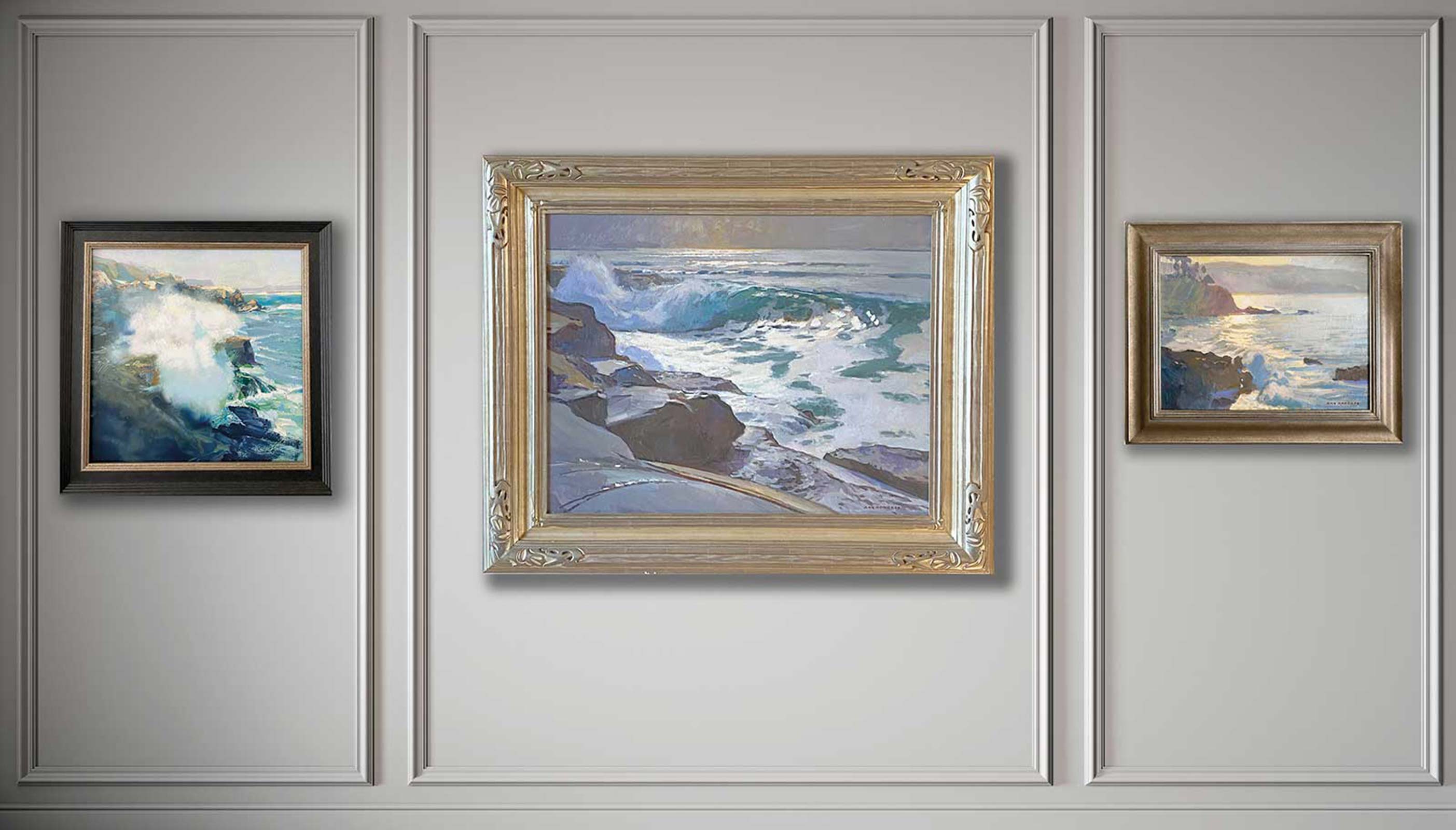
A view of several seascapes on display at Vanessa Rothe Fine Art.
A gallery can create demand for your work, and even prestige, by representing and supporting you. Often, if a well respected gallery owner or art dealer gives their approval of your work and decides to show it, that dictates to collectors and the public that you are worth their time and money to invest in promoting and representing you.
Important Aspects of a Gallery
Here are a few things that galleries should be providing for their 40 to 50 percent share of the sales profits, and for you to consider:
They should be including your work in most of their exhibitions. One of the main reasons to work with a gallery is that it already has regular collectors and clients, as well as a brick and mortar storefront, increasing the number of potential clients who will discover and stand in front of your work. Your work should, at the very least, be shown consistently in group shows, with the goal of having a solo show. Your work needs to have a semi prominent space on their walls, not in the bathroom or back corner room. Where the gallery places your work is a clue as to how much they believe in your art. If the gallery does have an opening night and provides wine, cheese and perhaps a musician, don’t forget that they are taking the financial risk up front to help promote and sell your work and are, again, earning their share.
Your gallery should be promoting your artwork and building your name with advertising and marketing. You will need to ask your gallery an array of questions, like which magazines they advertise in, how many followers they have on Instagram and how big their mailing list is. Are they on any additional art selling platforms? There are dozens of additional ways they should be selling your art digitally such as www.art.net and www.artsy.com. Do they have a website that they keep up to date and can clients buy directly from it? Do they show at art fairs internationally and will your work be included? Do they do podcasts or videos? Do they have live opening nights and advertise this both locally and nationally? If they advertise in magazines, ask them how many a year and if your work will be included. In today’s world, galleries need to do all these things to keep up with competition. If they have accepted you as an artist or you are fairly certain they want your work, it’s O.K. to ask about these things, and you should! A gallery/artist relationship is a partnership; it’s what you can do for each other. You are also interviewing them.

A gallery opening at the Salmagundi Club in New York City.
Tip
Often, you can also suggest that your gallery split an ad or promotional materials cost with you in order to have a full page of your work in a magazine or a digital post. You’re encouraging them to promote you while also sharing the risk.
SOLD!
You will need to ask them how soon they’ll pay you after the sale. Most galleries have a week return policy and should be paying you on the eighth day after the sale. However, they may have an accountant that creates direct deposits or writes checks only on the first of every month. Be clear about this and your expectations about getting paid for your work. Communicate with the gallery when they have made a sale for you and show your gratitude, ask how much it sold for and any discounts that were given. Lastly, ask if they would like another piece to replace it.
Honor Your Gallery
Nowadays, clients can learn of an artist’s name at a gallery, look up their work and buy one off the artist’s website. This is a nightmare for a gallery owner who has just spent thousands of dollars and years of time promoting your work and building your name. Remember that this gallery/artist partnership needs to be respected. If you are at a gallery that is paying to promote you, spending time and money on ads and marketing, and you get a call from a client who saw your name in their ad, be sure to honor the gallery who took out the ad. It takes a single question you ask the client on the phone, or email: “please let me know where you found or discovered my work.” If they contact you through your Instagram page, you need to delve further and ask how they found you.
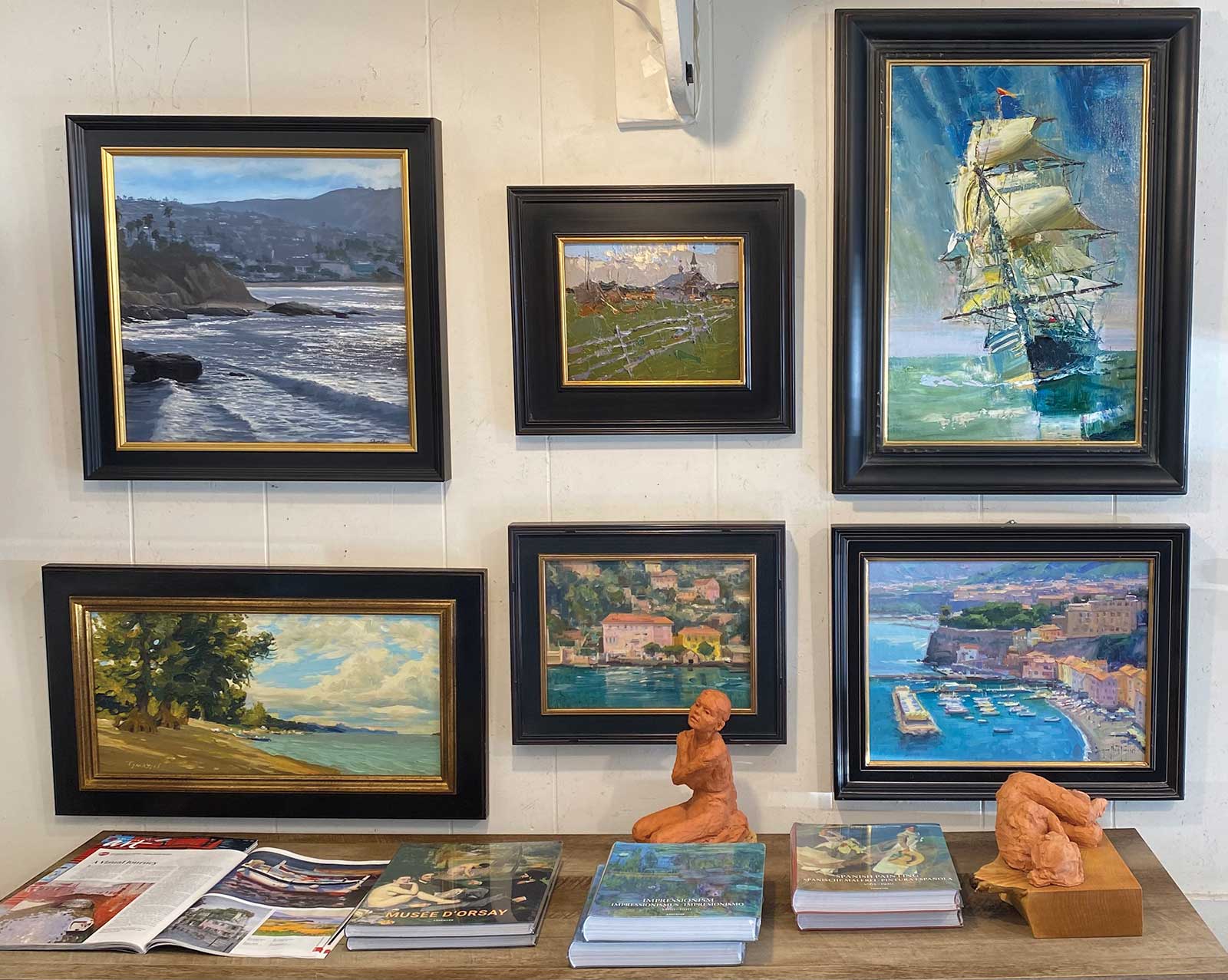
Gallery wall at Vanessa Rothe Fine Art.
Contracts
You will need to have “on consignment” contract agreements and paperwork set in place. Don’t forget the question of liability of your work if it’s lost, stolen or damaged. Big galleries should have a minimum one million dollar liability coverage for all of this. However, smaller galleries and especially ones that may travel different places with your work besides just their main gallery space will not be able to insure them, and it will come to signing a non-liability agreement. Independent art dealers normally need the artist to sign a waiver of non-liability or ask the artist to take out their own insurance on the work. Shipping is another thing to discuss, as you will always need to tell the gallery owner to insure your work at UPS, for example, to avoid issues if your artwork is stolen. Galleries should always insure the painting when sold and shipping artwork on to a client, at least for your percent share. You need to also discuss if they expect you to be exclusive, showing only at their galleries—and if they ask for this, you will need to be assured of their promotion and marketing of your work. Set the terms for a year to begin with, if possible. Also remember that the gallery will be reproducing your art in print catalogs, and you will need to have an agreement of how often, and where the images will be stored and protected with original copyright of your image to you. Determine if they are allowed to make prints and sell copies of your art and have them sign a contract.
The main things to keep in mind is that a gallery will be handling all the business aspects for you, and you can be free to create. They can create prestige for you, and help you get commissions and sales with their extensive client lists. There is a lot of good that can still come out of gallery representation these days, and the ones that are still in business, through these last few difficult years, are usually the ones doing all of this right! —