In the study of the history of art, we find many types of art that later become known collectively as “genres.” But what does that word really mean? The word genre is used to help identify, categorize and organize things specifically in the world of the arts. This word can be very confusing as it is used in many different ways in the art world, so you are not alone if you are unsure how to use it. I will try to shed some light on this in this issue’s Art Industry Insider. An example is John Cosby’s work, shown here, which would be labeled as a landscape, plein air painting in a contemporary hybrid style genre of realism and impressionism.

John Cosby, On the Sand, oil, 18 x 24" (45 x 60 cm)
Genre generally has two meanings: the type or style of a work of art, or the topic or content of a piece. In layman’s terms, genre is a grouping of the same kind of art with “similar aspects” in the work that tie it together, like the subjects of landscape, still life or figurative. However, it can often mean which type of art, such as painting, sculpture, cinema, music or literary work. It can also mean which “style” genre such as realism, cubism, impressionism, modernism or romanticism. To add to the confusion, there is another specific group of works called “genre paintings,” which specifically refer to scenes that depict everyday life and mostly show interior scenes with people, animals, still lifes or even landscapes with people. So if you say “genre paintings” this usually means everyday scenes of life with a group of people, like a picnic or an open market.
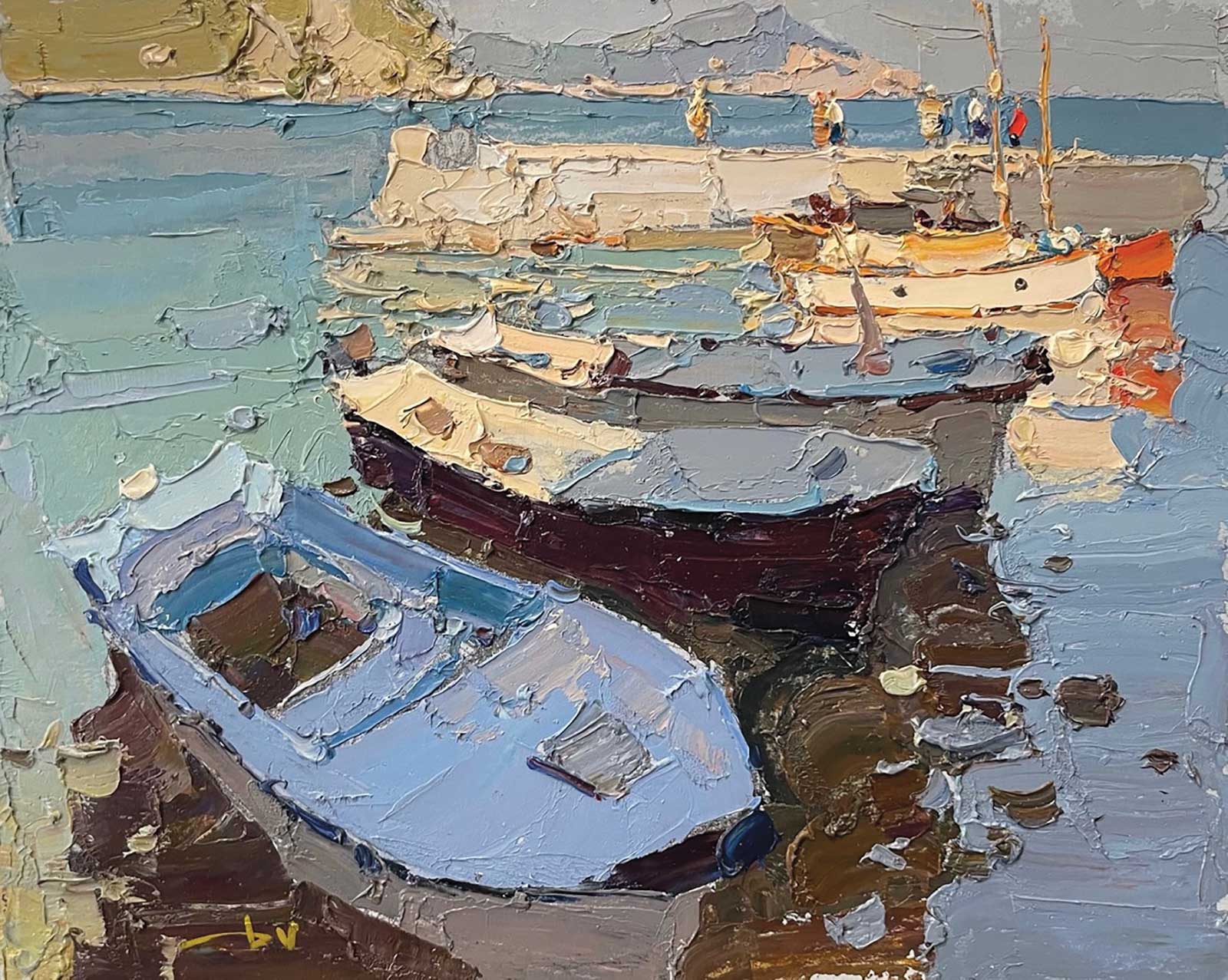
Daniil Volkov, Reflect, oil, 8 x 10" (20 x 25 cm)
This work by Daniil Volkov be categorized as a seascape in both realism and impressionism. Why? It falls into these categories or genres, boasting many of the key points that impressionism usually includes in its definition: dappled visible brushwork, a focus on light and the visual impression of the moment or scene, and usually has some sense of movement. At the same time, it’s also realistic in subject matter—clearly a work of boats.
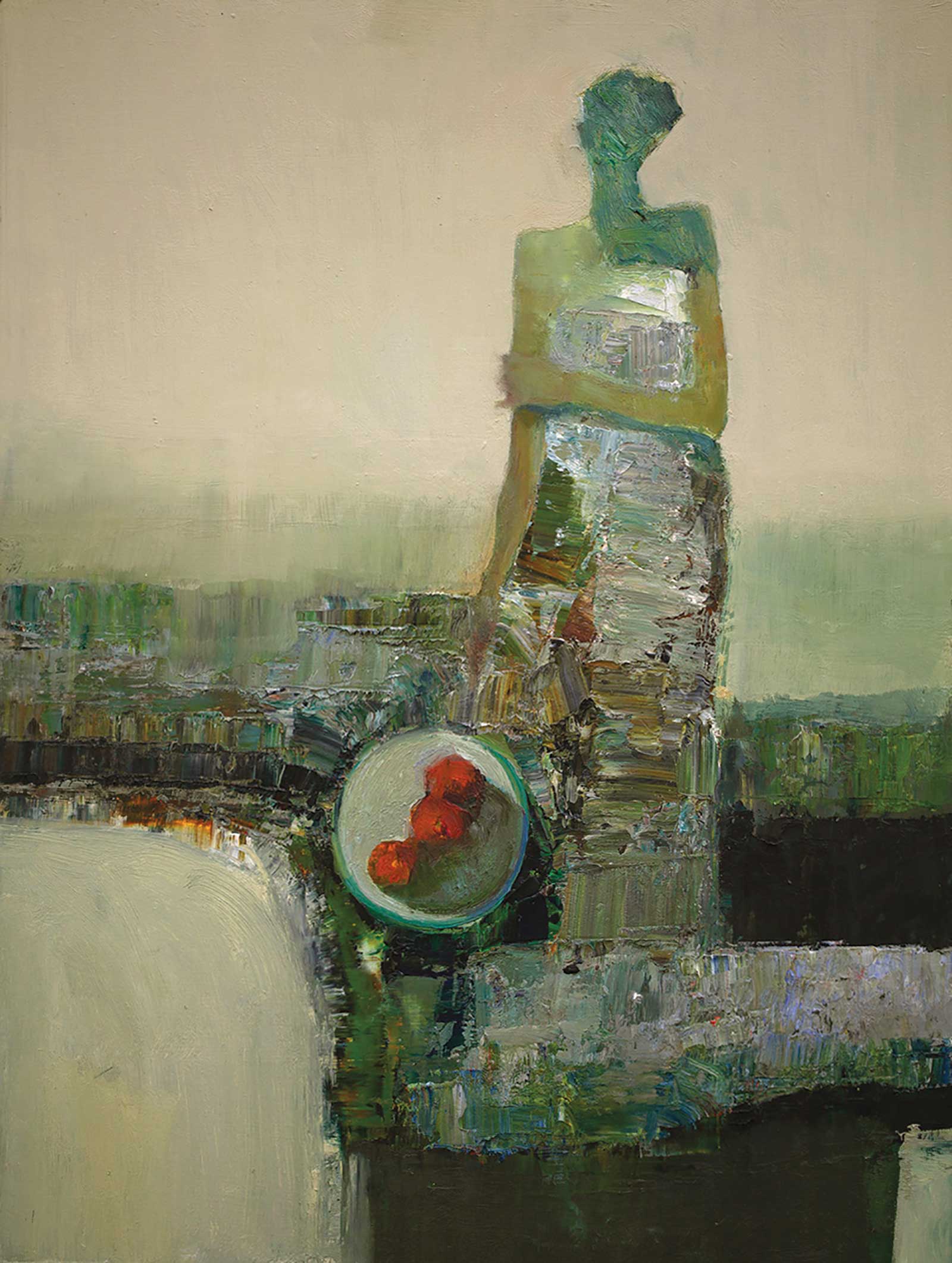
Dan McCaw, Textures, oil, 24 x 18" (60 x 45 cm)
This image would be categorized as figurative as well as modern and/or abstract. There is a clear form of a figure, and we would include notes about the textures and paint thickness when discussing this work and the graphic elements that make up the design.
In the early 1600s, European academies started calling things by these genres or styles of art to help organize and categorize exhibits as well as discuss the level of difficulty, with still life being the easiest and figurative being the most difficult. Historically, work was not too difficult to place in a genre as only certain styles existed, and there were specific periods of time that these themes and styles took place such as the Renaissance and Rococo. When surrealism and expressionism hit, along with modern and abstract art in the mid 1900s, things got more complex.
Today, these genres and style titles do help to organize the art, but especially in contemporary art there are many crossovers, which make it difficult to place the work in a genre or style. But that is okay of course, as styles and genre can overlap. Today’s world of art often includes many hybrid styles that include parts of two independent genres.

Scott Burdick, Sarah in the Garden, oil, 20 x 16" (50 x 40 cm)
This image would be an example of a hybrid style of realism and abstraction.
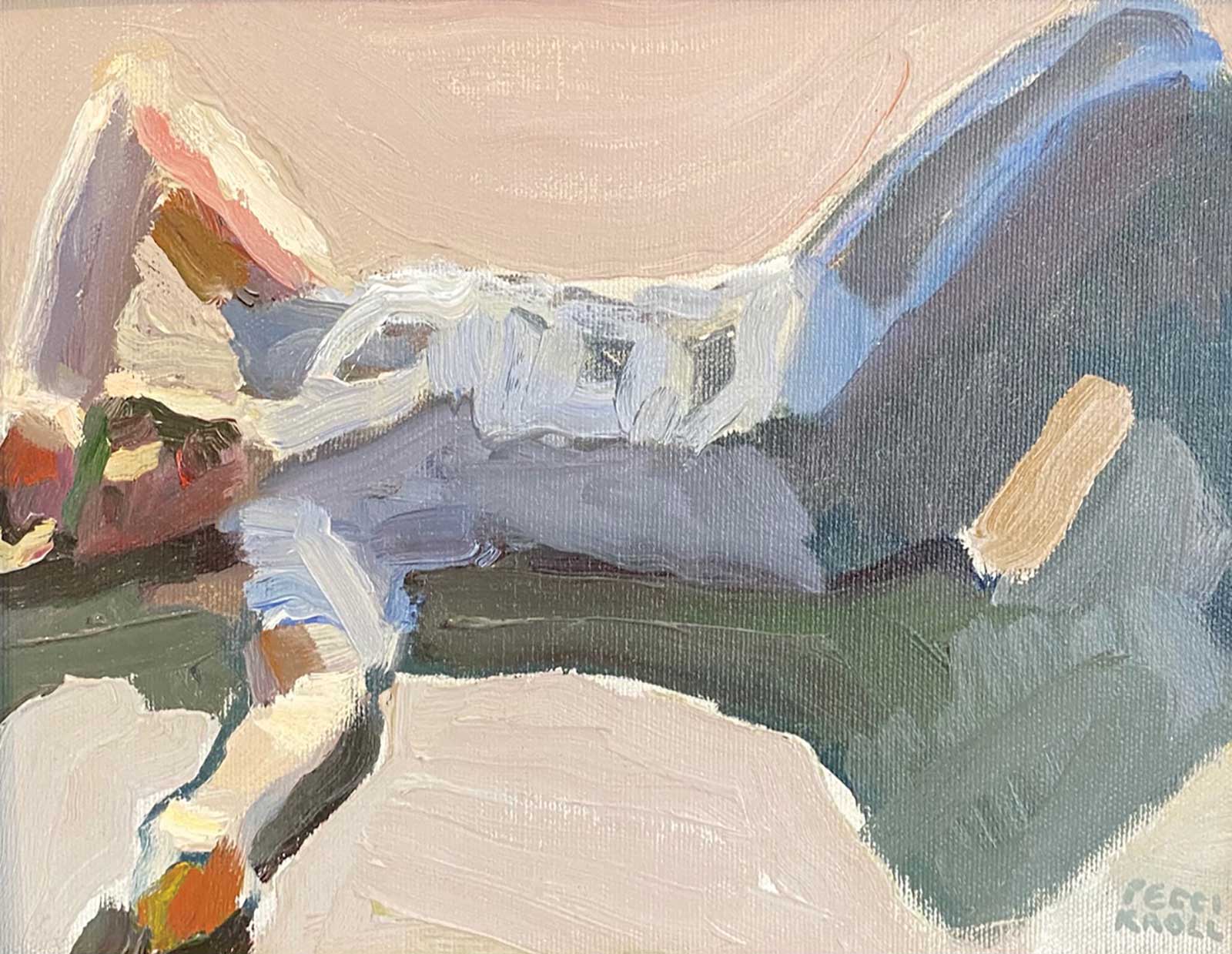
Peggi Kroll Roberts, The Warmth of the Ground, oil, 9 x 12" (22 x 30 cm)
This piece by Peggi Kroll Roberts is abstract figurative and can also be labeled as minimalist.
A piece of art usually belongs to a genre or style if similar aesthetic principles are adhered to. The main aesthetic characteristics that define a genre are included in every work that is a part of it. There are many style genres in painting ranging from realism to abstraction, each with its own set of parameters. Abstract for example is defined as “art that does not attempt to represent external reality, but seeks to achieve its effect using shapes, forms, colors and textures.”
There are also sub-genres, such as contemporary realism stemming from classical realism. A sub-genre will be based on a main genre but may have a few specific differences; for example, a background that is abstract or non-realist, yet the main subject holds onto a realistic style. Similar artwork would then fall into that new genre category.
You can fairly easily determine and categorize the genre of your own work based on its main subject and painting style, as it will contain many of the same key elements of subject or style as others. It’s best to look up the definitions and easiest to learn if I show some examples, which are found throughout this article.
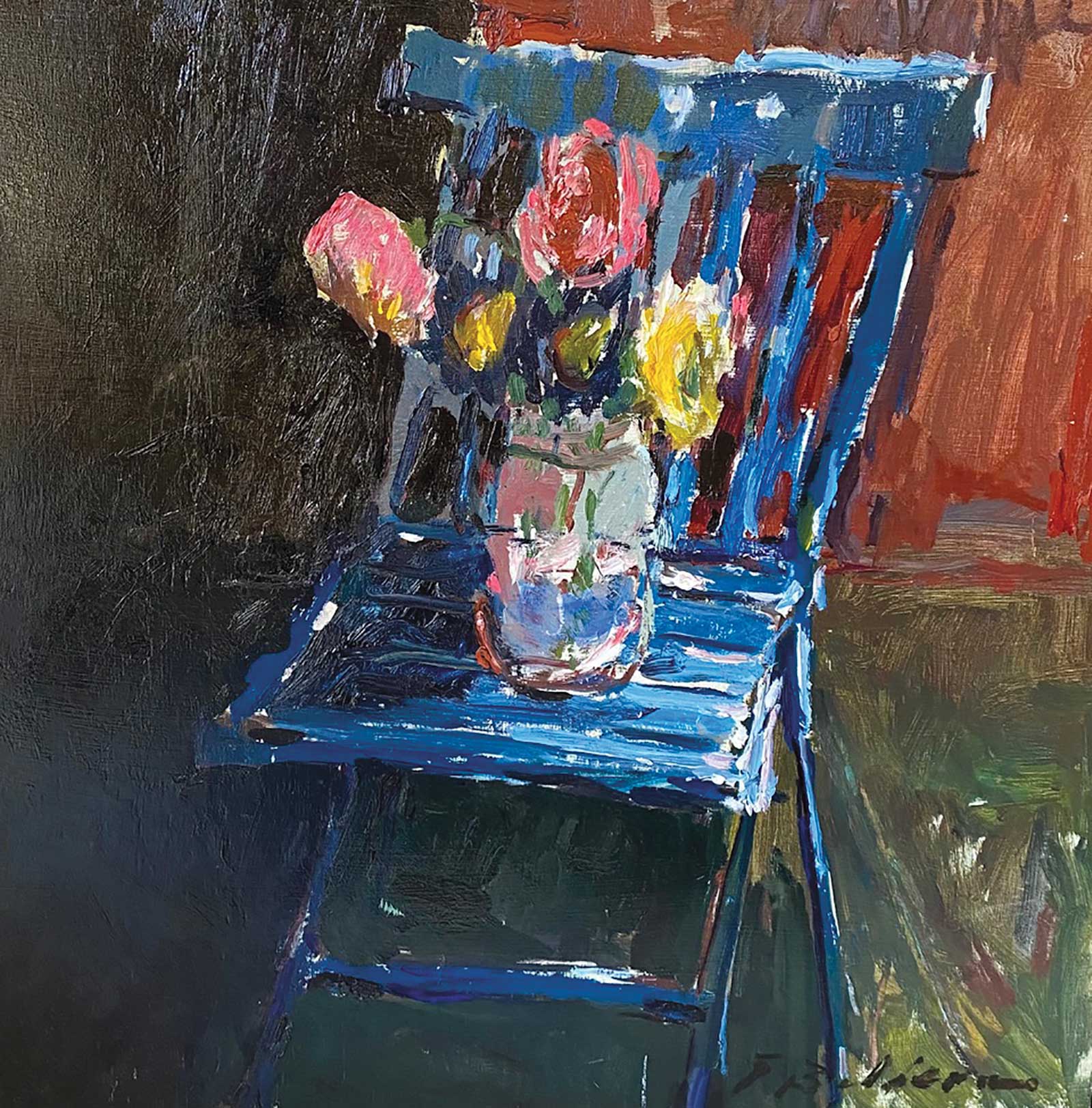
Tom Balderas, The Blue Chair, oil, 24 x 18" (60 x 45 cm)
Here we see a still life that falls within the impressionism realm, but mostly expressionism.
It’s important and amusing, in fact, to look up the definitions and get to know what main key elements make up each style or genre. Then you can find out what makes your work fall into the category it does, and or what makes it different or special. Getting to know your genres and styles will help you to categorize and talk about not only your own work but other works of art you encounter along your path. Remember, there is no single correct genre to be a part of, and oftentimes works do not fit perfectly within a genre or style but can be a mix. These groups and genre labels are simply there to help us all organize the many inspiring, beautiful types of art we create or encounter, from Rembrandt to Hockney and more. —