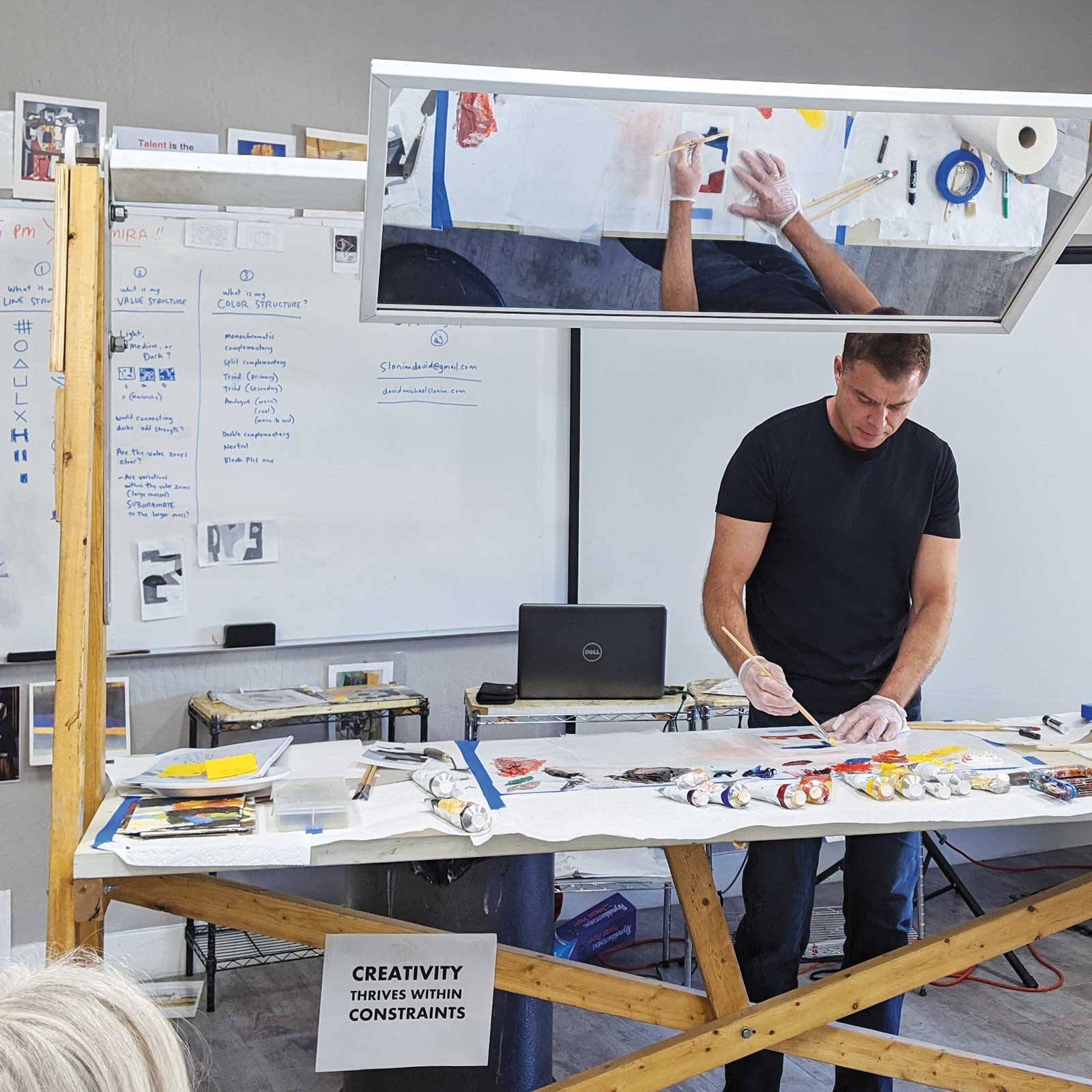
Artist David Michael Slonim teaching a class.
Scottsdale Artists’ School: How did you become a painter?
David Michael Slonim: It was the ’90s, I was in my mid 20s, visiting The Met. I turn a corner, and I’m suddenly dumbstruck by Velázquez’s portrait of Juan de Pareja—the lights dimmed on everything else but that painting. At that time, I was an illustrator, creating whimsical images for corporate clients. Being a “real” painter seemed like a dream. Looking back, I realize that experience was essential. Before becoming a painter, I first needed to be transported by the paintings of others. I will always be grateful for what Velázquez did for me.
SAS: When did abstract art become your vision?
DMS: I painted plein air for about 20 years, always trying to understand what made an image move a viewer. I began to realize that it is the abstract design or structure of the image, far more than the subject matter or technique, that counts. What moves an audience is the relationships of marks, colors, spaces, lines and textures. Over time, this freed me to gradually let go of recognizable subject matter.
SAS: What is one of the most important lessons you have learned as an artist?
DMS: Steer into the fear. Your growth, maybe even a creative breakthrough, is most likely to be hiding behind that thing you are afraid to try. For many years, I was afraid of abstraction. But in late winter, 2010, seven artist friends rented a snow coach in Yellowstone for a week of plein air painting. Even as I painted my little oil studies, that vast, volcanic snowscape forced the issue. There was no other way to convey my feelings about it, so back home I painted an abstract interpretation. From there I could see a way forward into abstract painting.
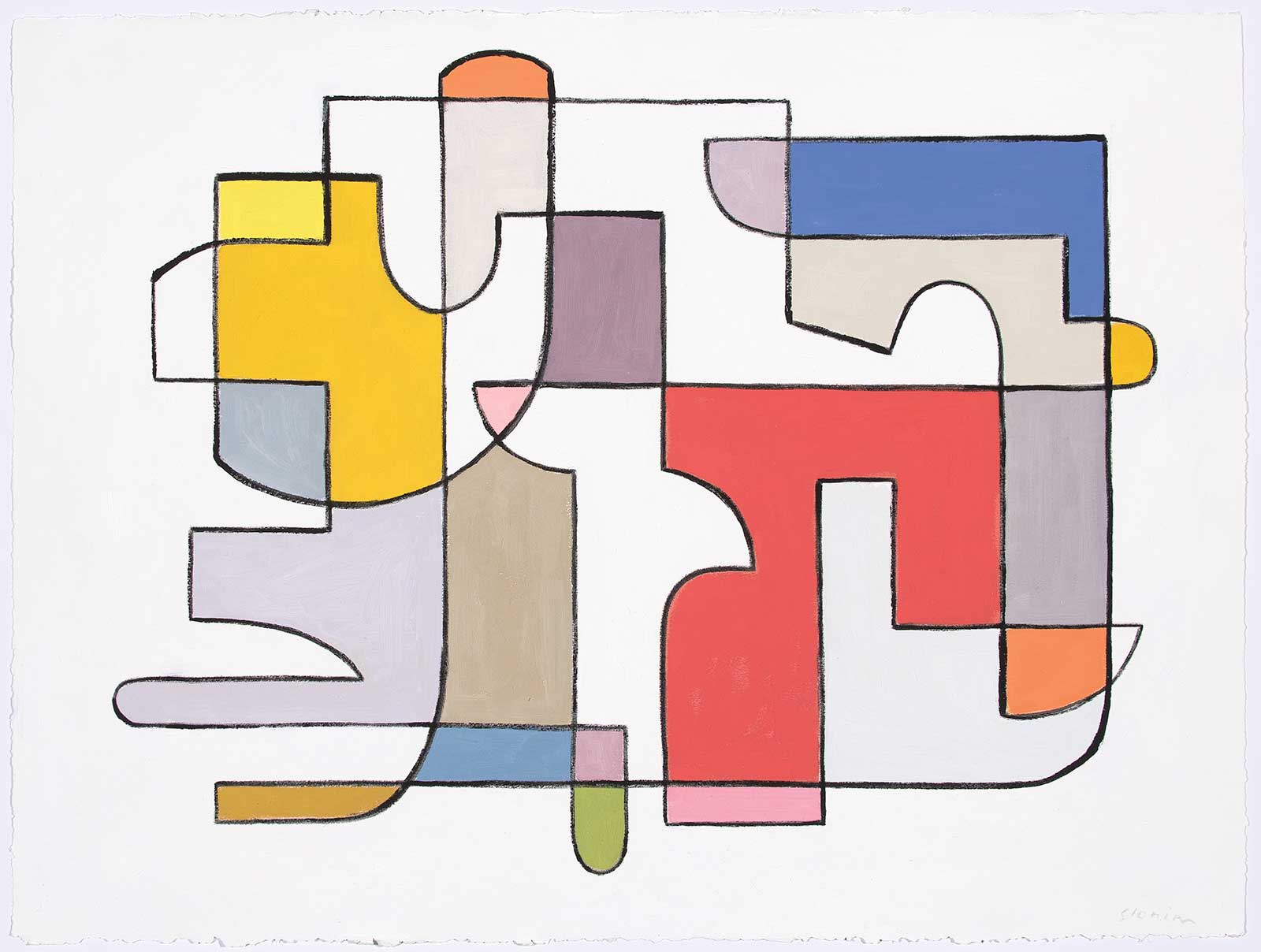
David Michael Slonim, Woman And Dog, oil on paper, 22 x 30” (55 x 76 cm)
SAS: How do you work through obstacles?
DMS: All artists’ experience obstacles. Chronic health issues have severely limited my ability to paint at times. Sometimes I’ve only been able to doodle on sketch paper, other times all I could do was place one color next to another. Do what you can and trust God with the outcome—I’m still learning this. If you can’t paint or you must put it aside, allow your creative mind to remain active. Painting is a matter of imagination and vision.
SAS: What advice would you give your younger self?
DMS: You have a faithful Shepherd. Trust him and paint with freedom. Paint as if you have nothing to fear, nothing to prove and nothing to lose. Aim for a childlike state of play.
Ask the magic question. “What if?” is the key to unlocking discovery. Curiosity is your best friend. Let yourself become genuinely curious and invite your 9-year-old inner self out to play.
SAS: When someone looks at your art what do you want them to see?
The best compliment I have received is when people tell me they look at my work and see joy. I paint images I would want to live with. I want my work to invite calm contemplation, to provide a quiet space where beauty and harmony refresh the viewer.
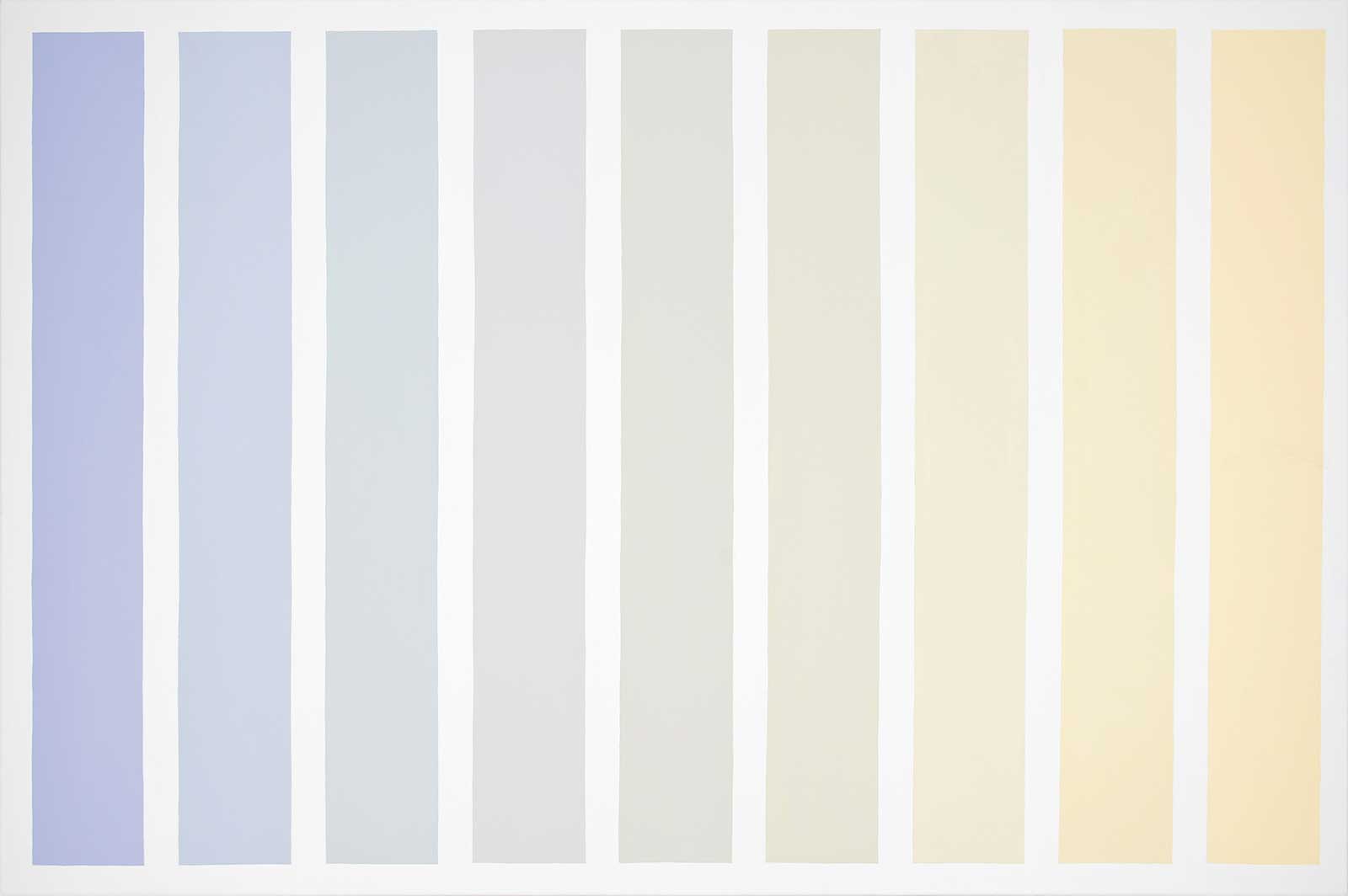
David Michael Slonim, Sandpiper, acrylic on canvas, 48 x 72” (121 x 182 cm)
SAS: Tell us about teaching.
DMS: I love teaching at SAS. For a full week students can gather with like-minded artists and focus on their art. The joy of teaching for me is sharing information and encouragement, knowing it will make a difference. Watching growth happen in real time right in front of my eyes never gets old. My goal is always to help each artist become the best version of themselves.
SAS: What is one take-away you want students to get from your instruction?
DMS: Trust your talent. Learn to listen to that inner prompting that whispers, “Paint that,” or “try this.” That intuitive sensitivity is part of your gift. Be bold in following where it may lead.
SAS: How can an artist find their own voice?
DMS: Don’t worry about “style.” To find your voice, don’t think about your voice. Focus instead on what you want to express. Get excited about visual ideas. Set up interesting visual problems to solve. Become obsessed with it. Form follows function, so focus on what you want to express, and style takes care of itself. Your painting voice, like your speaking voice, will reveal itself as you express what you have to say.
SAS: Where do your ideas come from?
DMS: Over time I learned that instead of painting things, mature artists paint ideas. A visual idea is an idea about how the image is organized—its structure. It’s not about the subject matter represented but about what is happening on the surface of the canvas—how the marks, colors, shapes, lines, values and colors relate to each other. It’s the music of the image that moves us.
SAS: What do you say to students who are afraid that they may be too late in starting?
DMS: First, we all have to face fear and self-doubt, no exceptions. You are in good company. I also tell them that good art comes out of life as we live it. Nothing is wasted. All the years spent raising a family or building a career have given you wisdom that will enrich your art. Life has knocked you around enough that you now have something to express. All of that will show in your paintings. So now is the perfect time to start painting! Someone needs the art you are going to create.
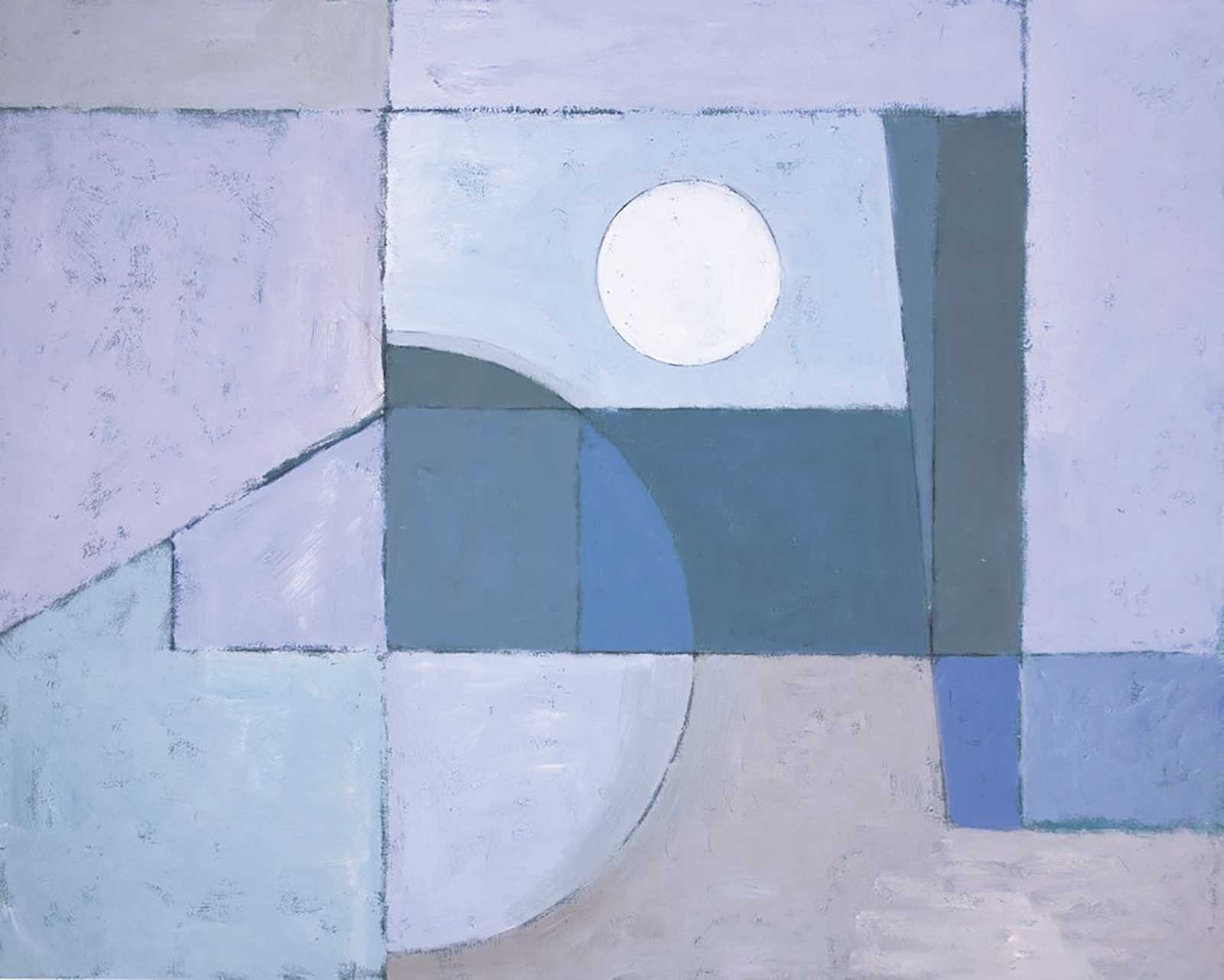
David Michael Slonim, Pirate Moon, oil on canvas, 48 x 60” (121 x 152 cm)
SAS: Is drawing important?
DMS: Drawing is the beautiful division of space to convey human feeling. Copying nature in a representational way is just one way to draw. Nobody should feel bad if that isn’t their bent or skill set. Drawing is a wide-open playground with more than one type of ride.
SAS: What is the most important insight you can share about color?
DMS: Over time, through much study and frustration, I came to see that master artists don’t simply paint what they see, they build color harmonies intentionally. The key to beautiful color is relationships—how colors relate to each other in the context of the painting. Even the greatest representational painters like Vermeer, Cassatt and Rembrandt were not merely describing facts, but evoking emotion through the skillful use of intentional color structure. It’s like chords in music. Understanding this changed me as an artist. —