Bonjour and welcome to Art Industry Insider. I’m Vanessa Rothe and in this new column I’ll be sharing my knowledge acquired by working in the art world as a curator, art dealer, editor and fine artist. From the creation of the work to the business of selling your art, my hope is to give you some useful behind the scenes information. This month I will be writing about how to create your art portfolio for school or gallery submissions.
TIP: You can even ink your name on the back of that paper and put it back in the spine.
Artwork Content
The first step is to create a body of work that is both your best work and consistent in style. Meaning that your work should look like it was created by the same hand and with the same taste. It doesn’t necessarily mean that it all must be one subject, but it should always be only your most skilled work in each medium. Schools usually like to see a few mediums. For galleries, usually choose one medium because they plan to represent you for that specific medium. If you are skilled at many, you can add more mediums later. You don’t want to include any works that are poor quality or inconsistent, so take the time to create some of your best works and be selective on what you put in. It is always better to have six or seven great works rather than 20 that vary in strength—but at least include six works.
When selecting your work, ask an art teacher or artist friend their advice because we are not always the best judge of our own works. In fact, we will probably not choose any of our own, we are such hard critics of ourselves! Even better, ask a gallery owner in your town where you are not submitting your portfolio. Walk in and ask if they have time to give you three minutes of “professional advice” on which to put in. Believe it or not, every gallery owner I know would be thrilled to do this for you. Most pride themselves on having good taste and would be happy to help.
Written Information
Your written bio and show history are also very important. It’s smart to list most of your shows with the title of the exhibition, dates and venue. You will want to list any awards, including art organizations or school art awards. If you don’t have any shows or awards yet, concentrate on your creative process. Write a paragraph each on your medium, your style and why you love to create. Schools want to know how you tick, and galleries need to see if you are an interesting artist to sell. Remember here you have to brag a little. If you are not yet good at writing about yourself (because that actually is a learned skill) then rope in a parent, friend or professional writer and ask them to translate your facts and thoughts into marketable words.
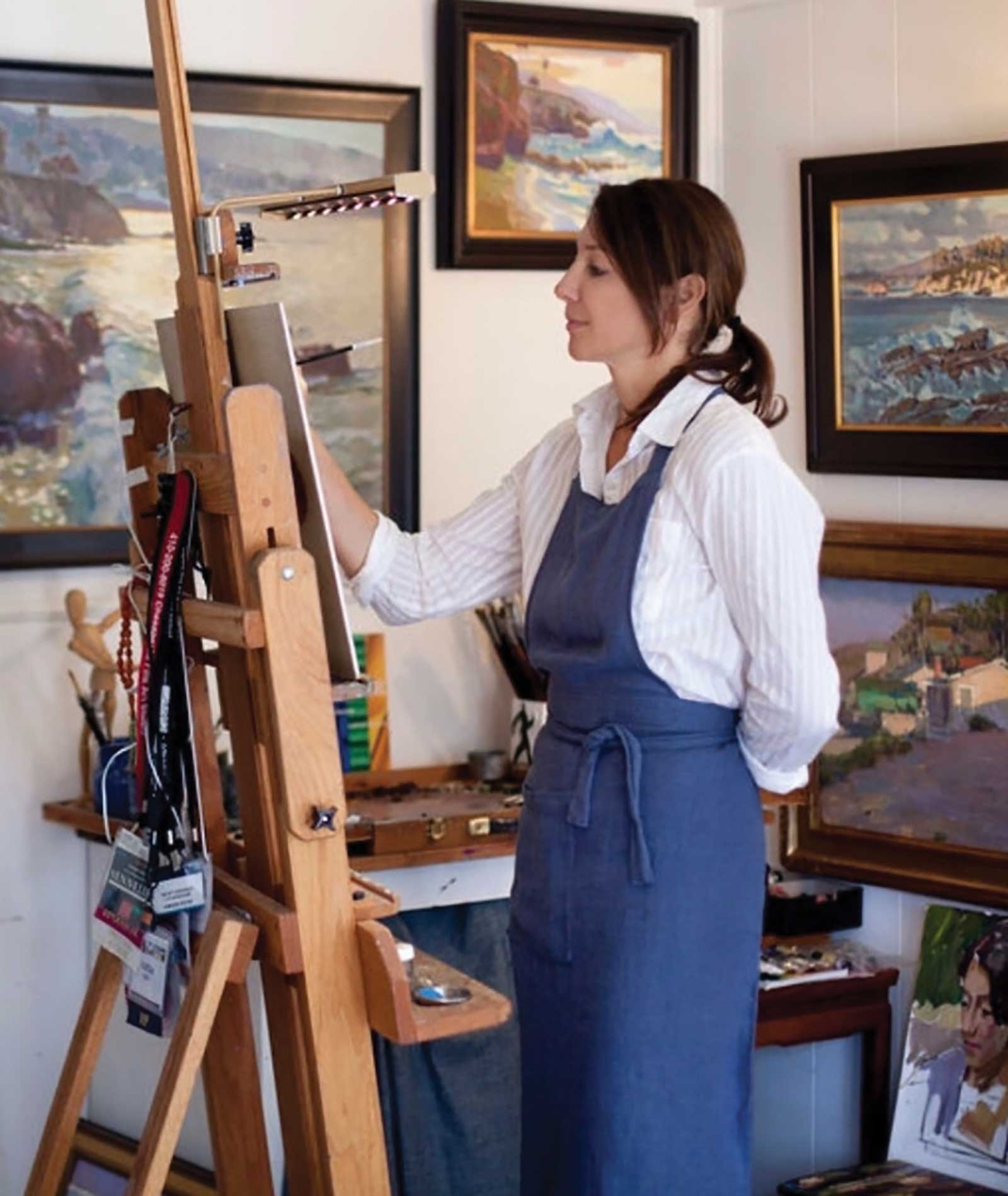
Photo of You
Personally, I feel a studio shot of you painting at your easel with a work is better than any prefab or professional headshot. If you sketch, include a shot with your pencil, charcoal or medium around you. Be creative with these photos, they are another avenue to parlay your style and creativity!
Portfolio Format
Most things are done now through the internet and even though art should be seen in person for its tactile qualities and fine details, it is not always possible. PowerPoint becomes our friend. This easy program is fairly standard on most laptops and if you don’t yet know how to use it, you can learn in about an hour or two on YouTube. Keep in mind, if the school or gallery says yes to your work, then they will be expecting to work with you via computer and that you are well organized.
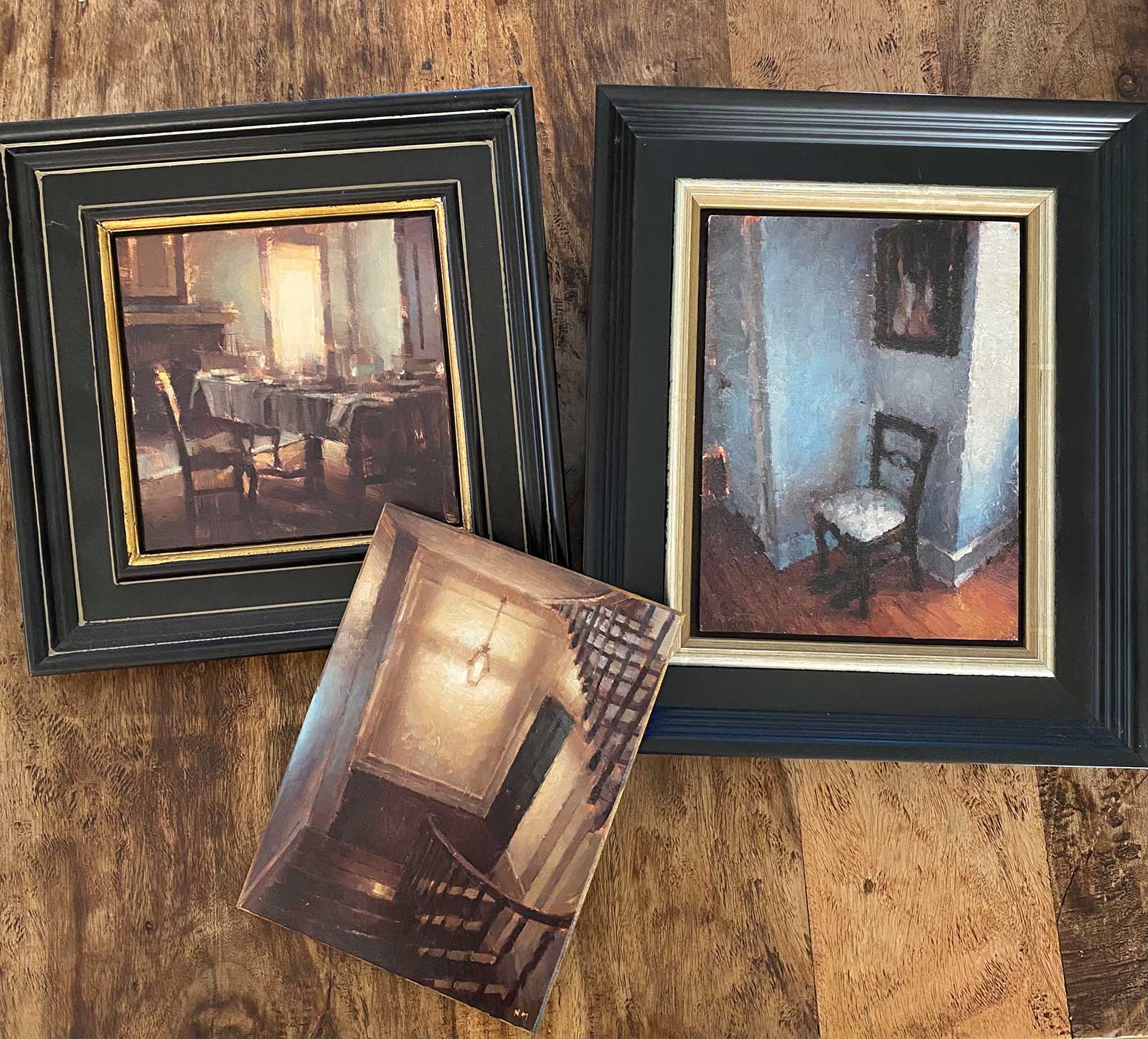
If for any reason you need to do a palpable in-person portfolio, make sure to buy the size of your biggest work, and measure ahead. I suggest using the ITOYA brand with clear sleeves and black paper. Of course, you can get a fancier one as well. Use “artist tape” to mount your work, centered, with one little tack of it on the top center. Just remember to take out the gray and black paper on the spine; it comes out the top.
Follow Up
It’s important to send a nice, short intro letter with your file, and the most important is to follow up after. Make sure you write on your calendar what day you sent it. If you have not heard from them in one week, then you need to write a follow up asking if they have received your submission. You’ll want to include the date you sent your submission so they can look it up. The squeaky wheel gets the grease—in other words, make some humble noise to remind them you are there and you need a kind answer, either way. If your follow up goes unanswered, call them to see if they received your submission. Don’t just assume they didn’t like your work, it may have gone in the trash or junk mail, or they simply forgot. Note that being persistent is good, just not annoying with too much too often.
Don’t forget to make sure your work fits the school or gallery you are aiming for. Art schools and galleries get many submissions, and it will waste your time and theirs if you submit modern works to an all-traditional classical gallery, for example. So do your research, follow the general guidelines above and remember, you don’t know unless you try, so be brave!
About Vanessa Rothe
 Vanessa Rothe
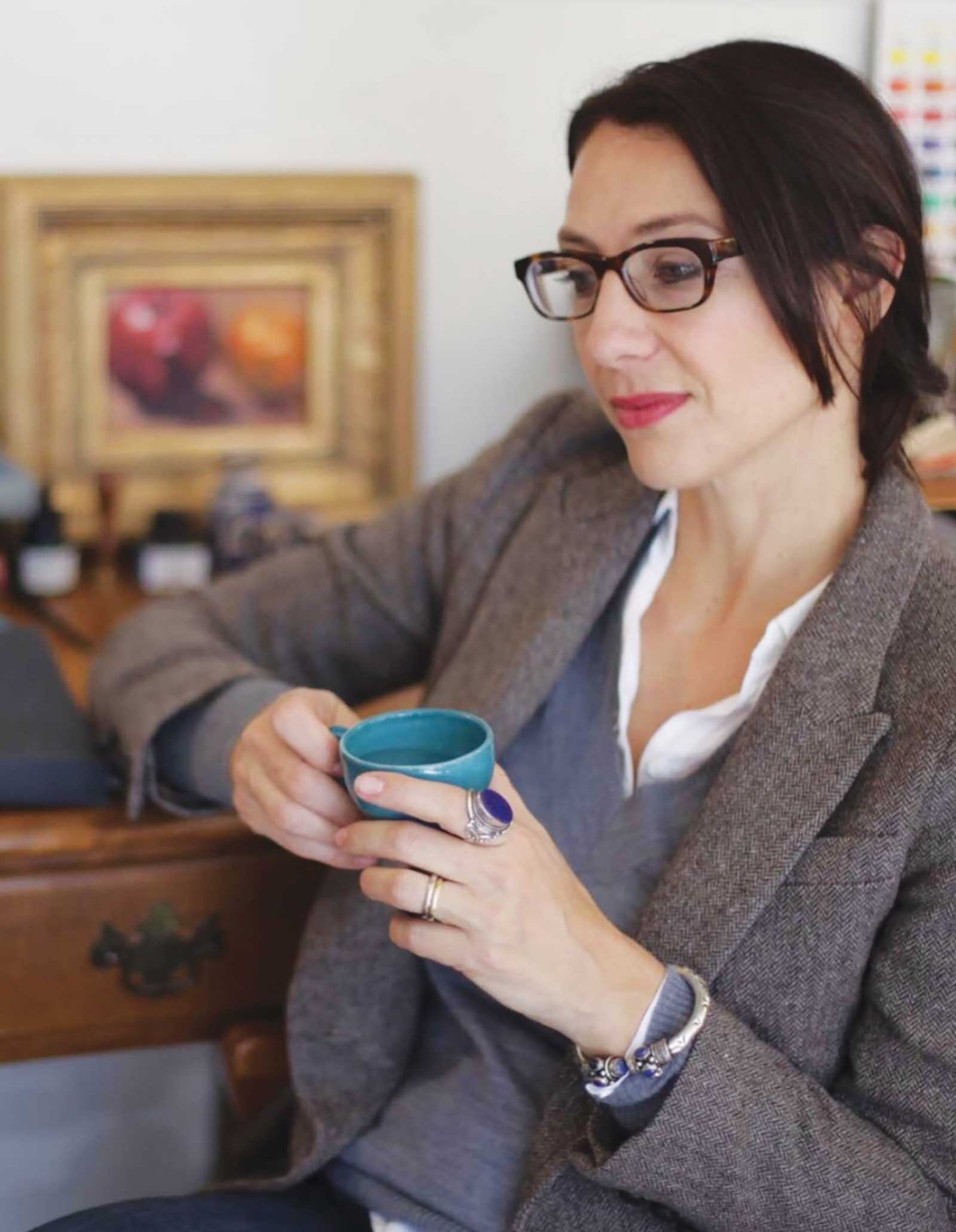
In addition to her curatorial, editorial and lecturing, Vanessa Rothe is a fine artist exhibiting the last 20 years alongside the nation’s top artists in galleries, art clubs, as well as museums. After majoring in business at USD and French literature at UCI, Rothe received classical fine art training at Laguna College of Art + Design and received honors throughout. Rothe has been working as an editor, graphic designer and artist in the publishing industry for 35 years.
She is a juried Artist Member of the Salmagundi Club New York and a Signature member of the American Impressionist Society. She is curator and founder of the Americans in Paris and Realism Without Borders art events and exhibitions. Rothe has exhibited and sold at over 25 galleries and museums worldwide such as: the Richard Schmid Fine Art Auction, Arcadia Contemporary, the Laguna Beach Art Museum and Galerie Prince de l’Oeil in Paris, France. Rothe currently owns and operates Vanessa Rothe Fine Art Gallery in Laguna Beach, California.