
We all know it’s not easy being an artist. The world at large may have watched a delightful public television artist quickly create a landscape, complete with fan brush pine trees and palette knife snowcapped mountains suitable for a frame in 30 minutes—all the while speaking in a soft and comforting tone. Delightful, relaxing, and entertaining. Seems easy enough. After all, a tree is a tree is a tree, and if you don’t like it, you don’t have to buy it. It’s your world.
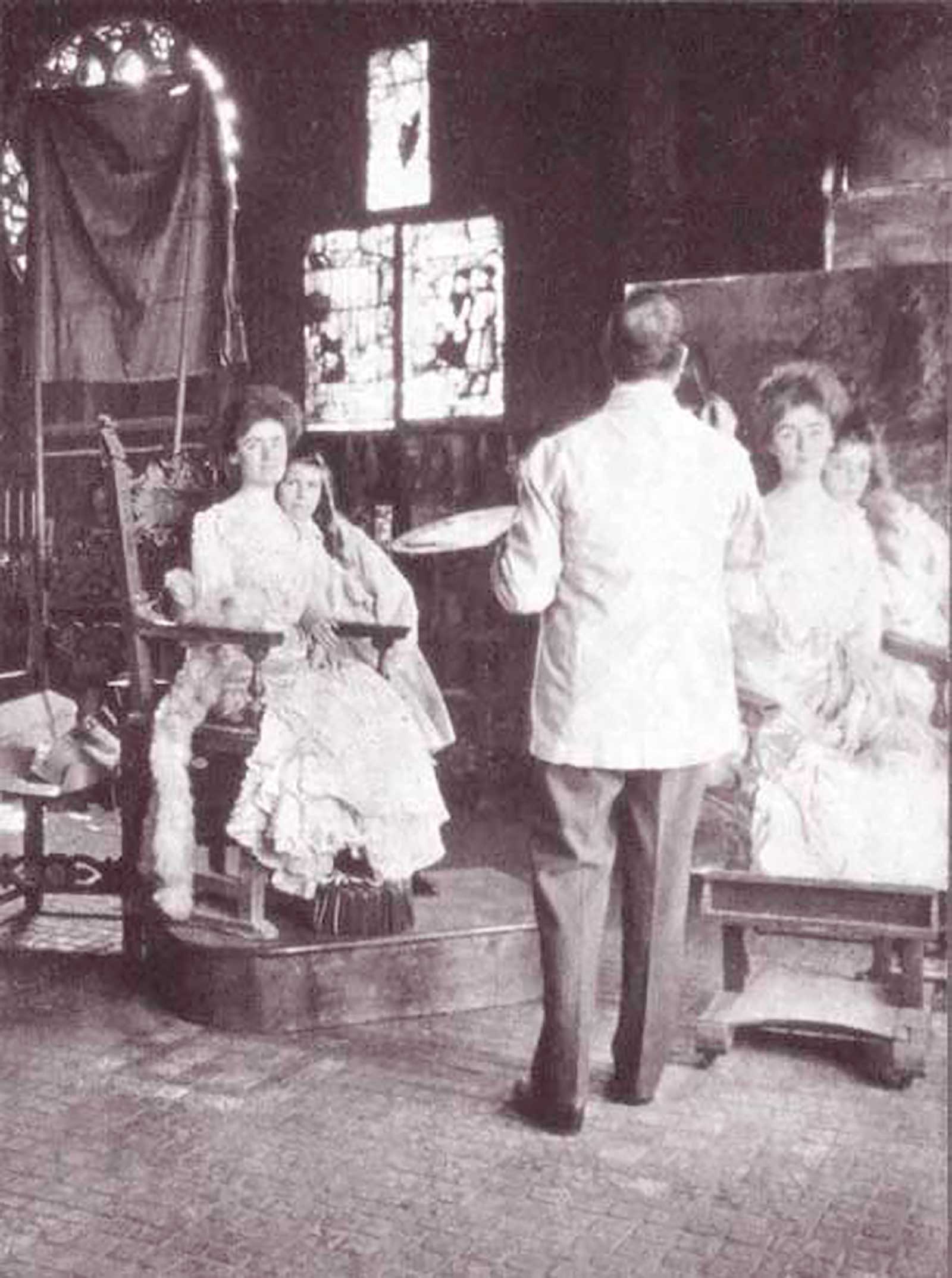
Frustrated by the challenges of commissioned portraiture, John Singer Sargent has been quoted as saying, it’s a painting “…in which there is just a tiny little something not quite right about the mouth.”
The reality of painting portraits can be very different. There is only one Aunt Sue, and it must be her, without question, and not her first cousin. It is likely you’ve felt at times like John Singer Sargent, who was often overheard mumbling as he painted, “Demons, demons, demons!” expressing the frustrations and challenges of creating portraits.
As difficult as painting is in general, painting portraits is another level of difficulty, but there is another pursuit that is often even more challenging…painting portraits on commission. Those of us who have painted portraits for more than a day know that a good painting doesn’t always translate into a happy client. You may have painted what you see as a successful work of art, ticking all the right boxes of likeness, composition, color and craft, and yet you still may have not reached your client’s expectations for a variety of reasons. As I heard John Howard Sanden once say, “You didn’t ring the bell.”
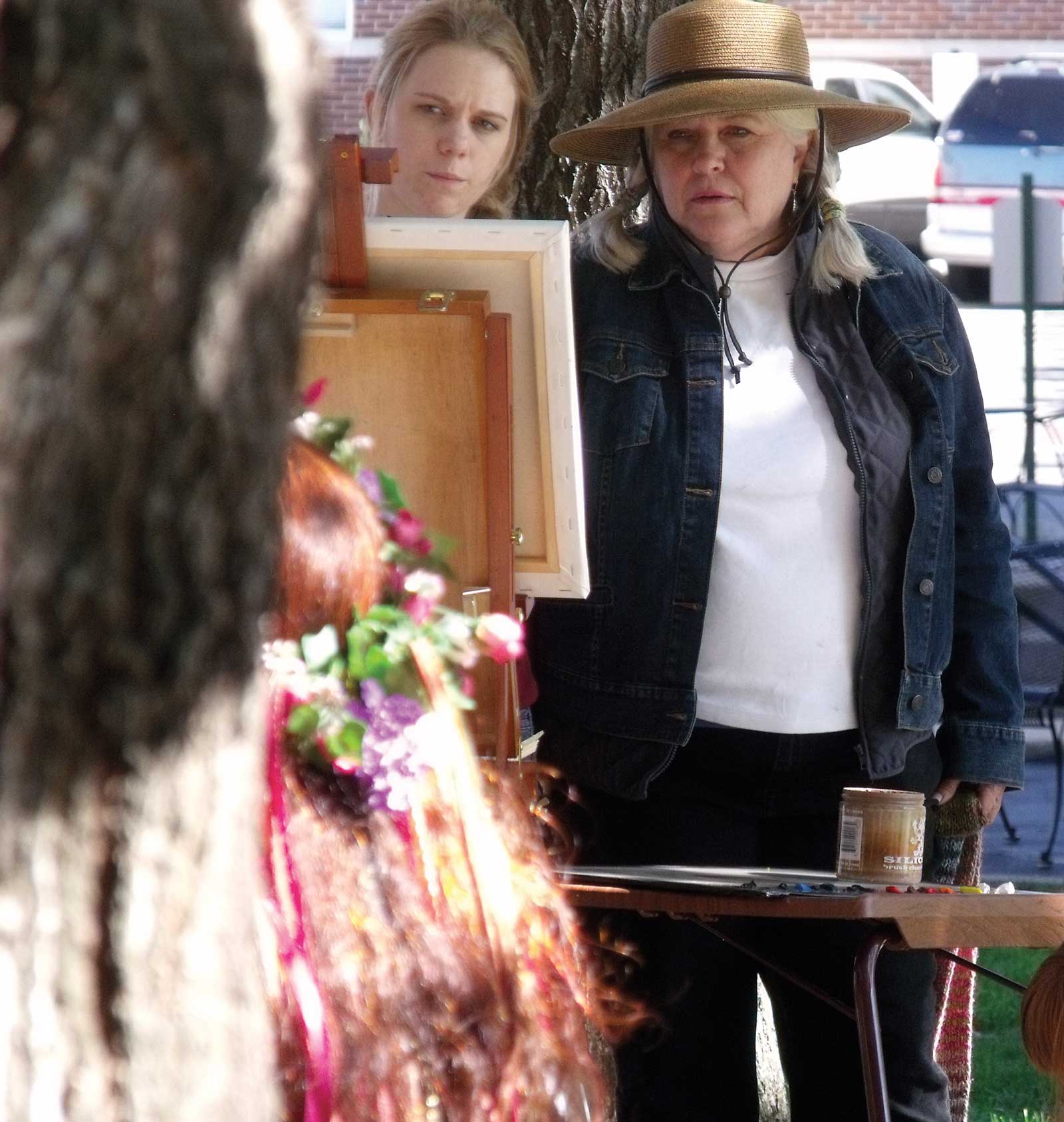
Dawn Whitelaw has used the sage advice given to her by Kinstler and continues to challenge her own growth by painting outdoors.
Of course, pleasing your clients is at the heart of achieving at least one important level of success. After all, without clients to purchase your work, you may find it impossible to maintain a career as a full-time artist. I have always felt that painting someone as “art on order” is by nature a bit unnatural. Artists have distinct ideas and vision as to what they want to express in their work, and sometimes your client has another. So how do we walk the tightrope of pleasing ourselves as artists and our clients at the same time? There is much more than I can address in this letter, but here are a few things to consider:
Hone your skills. It is of paramount importance to develop a comfort level with your technical skill. Developing your skills as an artist will prepare you for whatever your brush encounters. Seek depth of understanding in every important technique and have confidence in your abilities. Draw constantly, paint from life, experiment with non-commission portraits, read, study with others you admire and paint outdoors. When Dawn Whitelaw asked Everett Raymond Kinstler what she could do to become a better portrait artist, he said, “paint out of doors.” He knew that the challenges of chasing the light and getting the effect quickly sharpens your ability to observe and gives you endless opportunities to hone your skills.
Know your approach. Develop an approach to your work that not only builds a foundation for your success, but that is easily understandable. That begins with the first meeting with a new or potential client. Know precisely your approach and explain it clearly. Make sure your client knows what to expect at every step of the process. Along with examples of your completed work, you can even show examples of head studies, compositional sketches or thumbnail sketches that you do as preliminary work. I often show a completed portrait and the studies as examples so they will know what to expect. I even have stages of a portrait photographed from start to finish that I often share.

Jennifer Welty uses color studies as part of her process in communicating with clients.
Schedule meetings in the morning. When photographing, conducting sittings, or presenting compositional sketches to your client, try to work in the morning whenever possible. No matter the age of the client or their level of busyness, working in the morning usually finds you and your clients at your best. Before a day gets going with stresses and endless distractions, set a time to work with your sitter when everyone is fresh. Keep your meetings relaxed, focused and not terribly long. Two to three-hour sittings can accomplish a lot, but best to set another time if you need longer. Also, be sure to set the right tone for studio visits. Tidy up the space. Remove distracting clutter and wear your “Sunday best.” It never hurts to put your best foot forward and show your client how much you appreciate them and the privilege of painting their portrait.
Share your progress. I have found over 30-plus years of painting portraits that sharing your progress on a portrait is so essential to a successful completion. Not only does it give you important feedback from your sitter, but it also gives you a renewed sense of focus and direction. Constructive feedback can be so helpful when we share the painting as it is developing as opposed to only at the very end. It engages your sitter, gives them a sense they are a part of creating of the work and invests them further in its success. One caveat: do not email photos if at all possible. Even print photos have their drawbacks. I almost never bend on this rule, but during the worst of Covid, I had to send a photo of a portrait to my client. As expected, I received a reply with a long list of possible changes. We have no idea how these photos are being viewed—whether on a desktop, laptop, iPad, smartphone or even a watch! There are endless opportunities for compression, distortion, heightened contrast, poor color, and on and on. The end of the story was that I made NONE of the changes until I could see my client in person with the portrait months later—socially distanced of course. As soon as they saw it, they said, “Oh, we love all the changes!” I admitted I had not touched a thing. They were amazed their smartphones had so many inaccuracies.

Final portrait.
Remain Silent. When your client is viewing the portrait, remain silent. Don’t speak! Those who know me well know how hard that is for me to do! I have found it very important to allow the client to take it all in. Sometimes there is an immediate positive (or even negative!) reaction, but let them speak first. As Mr. Kinstler used to say, “Today I shared my latest portrait with my victim—which was met with a deafening crash of silence!” No matter what, don’t panic! Sometimes the first reaction isn’t the final verdict. Give them time to process. Be open to criticism and answer their questions or concerns. Don’t be defensive. Just remain diplomatic. After all, you know exactly why you have made the choices you have artistically, so just share your enthusiasm and explain your concepts and ideas on the canvas in front of you.
A question of likeness. More often than not, the main concerns that arise are related to “likeness.” Your client may feel you’ve painted their nose too long, their hair too gray, their cheeks too full, or maybe you got a bit too excited about those small wrinkles around the eyes. Listen carefully and look carefully. Share with them your desire to please them, and if you don’t feel the criticism is valid, just use the old phase, “Really, that is so interesting. Let me take a look at that.” Then, go from there. The fact that you have acknowledged they have been heard will go a long way. Of course, if the issue of likeness is tied more to “attitude,” that can be subtle and require even more careful consideration on your part. Sometimes a portrait looks exactly like the person you’ve painted, but doesn’t “feel” like them. Observe your client, ask them questions, and make an effort to see what small adjustments can be made right then and there to alter an expression. Sometimes the tiniest lift of an eyebrow or the slight turning up of the corners of the mouth can make all the difference.
In my next chairman’s letter, I will discuss more challenges of painting portraits on commission.
Sincerely,
Michael Shane Neal,
Chairman